
Table of Contents
Introduction
A crawler jaw crusher is often considered when a contractor, recycling yard, quarry operator, or equipment dealer needs crushing capacity without building a permanent plant. The buying question is rarely simple. Buyers want to know whether the machine can handle their material, move around the site, reduce hauling work, and stay serviceable after months of demanding operation.
This guide explains how to choose a crawler jaw crusher from a practical procurement perspective. It focuses on working conditions, material behavior, machine structure, maintenance access, and supplier support. It does not treat crushing equipment as a catalog item. The machine only creates value when it fits the real jobsite.
What a Crawler Jaw Crusher Is Built to Do
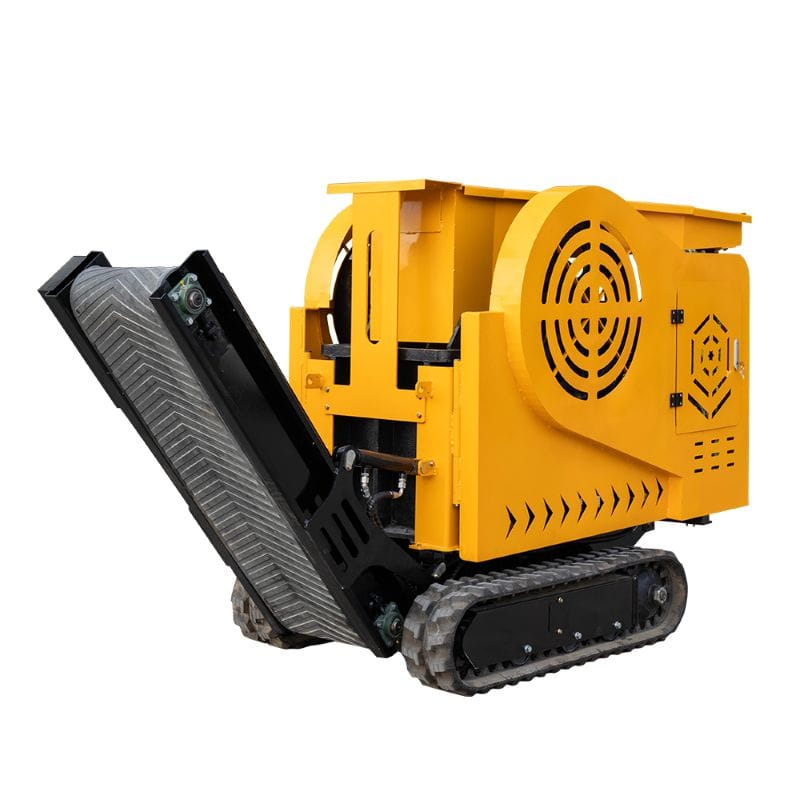
A crawler jaw crusher combines a jaw crushing chamber with a tracked mobile chassis. The jaw crusher breaks large material by compression, while the crawler base allows the equipment to move across job areas without relying on fixed foundations. For a basic technical overview of jaw crushing principles, the crusher entry on Wikipedia gives useful background on how crushing machines reduce material size.
In practical terms, a crawler jaw crusher is used where raw material is too large for direct reuse, loading, or further processing. Common materials include demolished concrete, brick, stone, construction waste, natural rock, and mixed inert material. The machine helps turn bulky material into a more manageable product for backfill, road base preparation, recycling, or secondary screening.
The main advantage is mobility. Instead of moving all raw material to a fixed crushing plant, a crawler jaw crusher can be brought closer to the material pile. This can simplify site logistics, reduce repeated loading, and help teams process material near the source.
When Mobile Crushing Makes More Sense Than Fixed Crushing
Fixed crushing plants are suitable for long-term, high-volume production in one location. A crawler jaw crusher is different. It is usually chosen when the work location changes, the project has limited space, or material needs to be processed in stages around a site.
Mobile crushing makes sense when several conditions appear together: the material source is spread out, the crushing area may move during the project, access roads are limited, or the contractor wants to reduce the distance between demolition, loading, crushing, and stockpiling. In these cases, a crawler jaw crusher is not just a machine. It becomes part of the site logistics plan.
For rental companies and equipment distributors, mobility also improves market coverage. One mobile crusher can support demolition contractors, road maintenance teams, recycling yards, and smaller quarry operations. That flexibility is one reason mobile crushing equipment attracts buyers who need stronger utilization across different customers.
| Project Situation | Why a Mobile Crusher Helps | Buyer Priority |
|---|---|---|
| Demolition site | Processes concrete and brick near the source | Mobility, dust control, jaw durability |
| Road repair project | Reduces repeated material transport | Fast repositioning and easy setup |
| Recycling yard | Handles changing feed material | Stable feeding and wear parts access |
| Small quarry | Supports primary size reduction without fixed plant work | Feed opening, power system, discharge control |
| Remote jobsite | Works where fixed infrastructure is limited | Reliability and service simplicity |
Key Applications for Contractors and Equipment Buyers
A crawler jaw crusher is most valuable in applications where material movement costs, site access, and crushing flexibility affect project profit. The following application areas are especially relevant for international buyers.
Construction and Demolition Recycling
Demolition projects often generate concrete blocks, bricks, tiles, and mixed inert waste. A crawler jaw crusher helps contractors reduce material size on site, making it easier to load, screen, transport, or reuse. The goal is not only crushing. The real goal is cleaner material flow from demolition to sorting and reuse.
Road Base and Infrastructure Work
Road maintenance teams may need to process old concrete, curb material, or stone for base preparation. A crawler jaw crusher can work close to the repair area and help reduce dependence on long-haul trucking. For contractors handling scattered municipal projects, the ability to move equipment between sites is a major advantage.
Quarry and Stone Processing
In smaller quarry operations, a crawler jaw crusher can serve as a primary crushing unit before screening or secondary crushing. Buyers should pay close attention to feed opening, jaw plate material, discharge adjustment, and the strength of the crawler chassis. Natural stone can place heavier stress on the machine than lighter demolition waste.
Equipment Rental and Dealer Fleets
Rental buyers need a crawler jaw crusher that is easy to explain, easy to maintain, and suitable for different operators. Clear control layout, accessible wear parts, and practical transport dimensions matter because the machine may be used by customers with different levels of crushing experience.
Material Conditions That Affect Crusher Selection
Before buying a crawler jaw crusher, the first question should be about the material, not the machine. Material hardness, size, shape, moisture, contamination, and reinforcement all affect crushing performance. A buyer who only compares model names may miss the most important selection factors.
Concrete with rebar requires a different approach than clean limestone. Wet clay mixed with stone behaves differently from dry rubble. Oversized blocks can slow feeding if the loader, hopper, and jaw opening are not matched correctly. A crawler jaw crusher must be evaluated as part of a feeding system, not only as an isolated crushing chamber.
Buyers should prepare sample information before requesting a quotation. Useful details include the largest feed size, typical material type, expected final size range, working hours per day, loader type, site space, and whether a screen or conveyor will be used after crushing. These details help the supplier recommend the right configuration.
Jaw Crusher Design Points Buyers Should Check
The crushing chamber is the working heart of a crawler jaw crusher. Buyers should look beyond surface appearance and ask how the machine handles stress, wear, adjustment, and maintenance. A strong frame, well-supported jaw structure, reliable bearings, and suitable jaw plate material all contribute to long-term performance.
Discharge adjustment is also important. Different projects may require different output sizes. If adjustment is slow or difficult, operators may avoid changing settings, which reduces flexibility. A practical crawler jaw crusher should allow operators to match output size with site requirements without unnecessary downtime.
Feeding design deserves equal attention. A crusher that looks powerful can still perform poorly if material bridges in the hopper or enters the jaw unevenly. Buyers should check hopper shape, feeder control, access for clearing blockages, and whether the machine can receive material from the loader commonly used on site.
Why the Crawler Chassis Matters
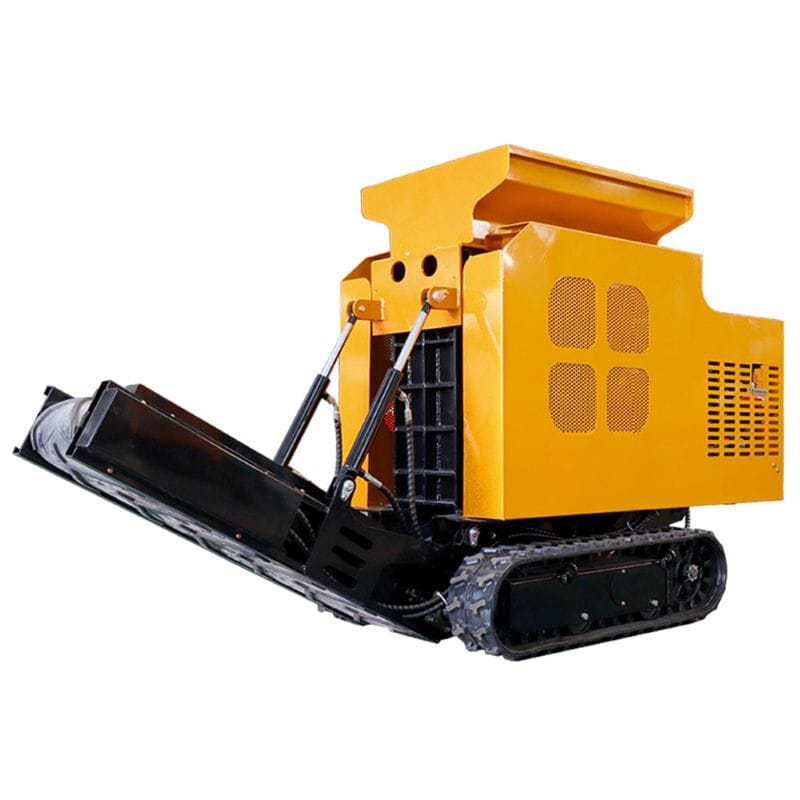
The crawler chassis is one of the main reasons buyers choose mobile crushing equipment. A crawler jaw crusher must move over uneven ground, reposition near stockpiles, and remain stable during operation. Track quality, ground clearance, frame strength, and weight distribution all influence usability.
On demolition sites, ground conditions can change quickly. Broken concrete, soil, slopes, and limited turning space may all appear in the same project. A crawler jaw crusher with a dependable crawler base gives operators more confidence when repositioning the machine. This is especially useful when the crushing point must move as the demolition area changes.
For buyers comparing a trailer crusher and a tracked mobile crusher, the decision often depends on how often the equipment must move within the worksite. Trailer-type units can be practical for road transport and simpler setups, while crawler-type units are better suited for frequent on-site repositioning.
Feed Size, Capacity, and Real Site Productivity
Capacity is one of the most misunderstood points in crusher buying. A crawler jaw crusher does not produce the same output in every material or every site condition. Real productivity depends on feed consistency, operator skill, loader cycle time, material hardness, final size setting, and downstream stockpiling.
Instead of asking only for maximum capacity, buyers should ask for expected performance under their material conditions. A supplier cannot responsibly guarantee one number for every site. The more useful discussion is about feed size, jaw opening, discharge setting, moisture, and how the crawler jaw crusher will be used with loaders, conveyors, and screens.
For procurement teams, a realistic productivity estimate is better than an attractive brochure number. If the working environment involves mixed demolition waste, the buyer should discuss sorting, metal removal, dust control, and oversize handling before choosing a crawler jaw crusher.
| Selection Factor | Why It Matters | Questions to Ask |
|---|---|---|
| Feed opening | Controls the largest practical input size | What is the recommended maximum feed size for my material? |
| Jaw plate material | Affects wear life and crushing cost | What wear parts are recommended for concrete or hard stone? |
| Discharge setting | Controls output size and production flow | How quickly can the setting be adjusted? |
| Feeder design | Influences stable crushing and blockage risk | Can the hopper match my loader and material shape? |
| Service access | Reduces maintenance downtime | Can daily checks be done safely and quickly? |
Dust, Noise, and Site Safety Planning
Crushing work creates dust, noise, vibration, and moving equipment hazards. A crawler jaw crusher should be selected and used with a site safety plan, especially in demolition and recycling applications. Buyers should consider water suppression options, safe access points, emergency stop layout, guarding, and operator training.
Dust planning is particularly important when crushing concrete or stone. In the United States, OSHA provides guidance on respirable crystalline silica, which is relevant to many cutting, grinding, and crushing activities. Regulations differ by country, but the purchasing lesson is universal: dust control should be discussed before the crawler jaw crusher arrives on site.
Noise control also matters for urban demolition, municipal work, and projects near residential areas. Buyers should check whether the supplier can provide basic noise information, maintenance recommendations, and safe operating guidance. A crawler jaw crusher is powerful equipment, and safe use depends on both machine design and site management.
Maintenance Access and Wear Parts
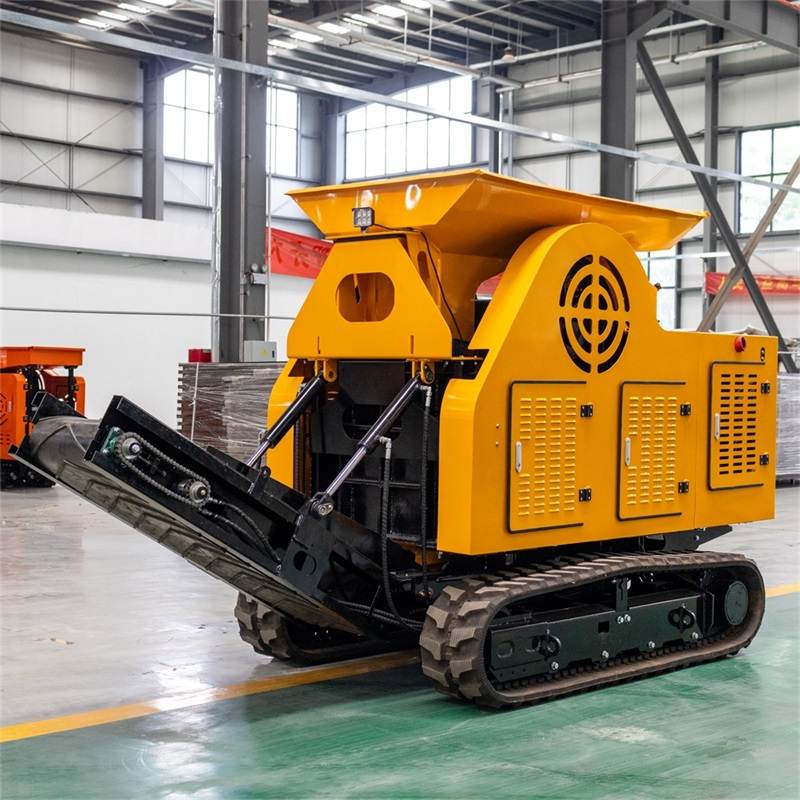
The long-term value of a crawler jaw crusher depends heavily on maintenance. Jaw plates, belts, bearings, hydraulic components, filters, and crawler parts all need inspection. A machine that is difficult to service may lose more money through downtime than it saves at purchase.
Daily checks should be straightforward. Operators should be able to inspect lubrication points, belts, hydraulic hoses, track condition, jaw plates, and discharge areas without unnecessary disassembly. For fleet owners, simple daily inspection routines help prevent small issues from becoming expensive failures.
Wear parts planning is equally important. Buyers should ask for a recommended spare parts list, common wear parts lead time, and maintenance intervals based on application. A crawler jaw crusher used in abrasive stone will usually need different wear planning than one mainly used for brick and concrete recycling.
Supplier Evaluation for International Buyers
For importers, contractors, and dealers, choosing the supplier can be as important as choosing the machine. A crawler jaw crusher is not a simple accessory. It requires technical communication, pre-shipment checking, spare parts support, and clear documentation.
International buyers should evaluate whether the supplier can explain machine configuration, provide clear product photos and videos, support inspection requests, and answer application questions in practical language. Strong communication before purchase is often a good indicator of after-sales support quality.
LYJC-430 Crawler Jaw Crusher, HTJC325 Crawler Jaw Crusher, and HTJC510 Crawler Jaw Crusher are examples of Luyue Machinery’s mobile crushing product range. Buyers can compare these models according to feed needs, worksite conditions, and project scale, then request a configuration recommendation based on actual material.
Crawler Jaw Crusher Buying Checklist
Before ordering a crawler jaw crusher, buyers should collect and confirm the following information. This makes supplier communication more accurate and reduces the risk of choosing the wrong model.
- Material type: concrete, brick, natural stone, mixed rubble, or other material
- Largest feed size and typical feed size
- Desired output size range
- Expected working hours per day
- Loader model or feeding method
- Site ground condition and available working space
- Need for crawler movement during operation
- Dust control and local safety requirements
- Spare parts availability and maintenance plan
- Transport method and destination market requirements
If these points are unclear, the supplier should help the buyer clarify them. A professional recommendation should be based on application fit, not only on model size.
FAQ
What materials can a crawler jaw crusher process?
A crawler jaw crusher is commonly used for concrete, brick, construction waste, rock, stone, and other inert materials. The exact suitability depends on hardness, moisture, feed size, contamination, and the selected jaw configuration.
Is a crawler jaw crusher better than a trailer crusher?
It depends on the job. A crawler jaw crusher is usually better when frequent movement inside the worksite is required. A trailer crusher may be suitable when transport simplicity and fixed working positions are more important.
How should buyers compare crusher capacity?
Buyers should compare capacity under realistic material conditions. Feed size, material hardness, discharge setting, loader efficiency, and downstream handling all affect real output. A crawler jaw crusher should be evaluated as part of the whole production flow.
What spare parts should be considered before purchase?
Important spare parts include jaw plates, belts, filters, hydraulic components, bearings, and crawler-related wear parts. The recommended list depends on material abrasiveness and expected operating hours.
Who should consider buying a crawler jaw crusher?
Demolition contractors, recycling yards, road maintenance teams, quarry operators, equipment rental companies, and machinery dealers may all consider a crawler jaw crusher when mobile primary crushing is needed.
Conclusion
A crawler jaw crusher is a practical solution when crushing work needs mobility, flexible site positioning, and reliable primary size reduction. The best choice depends on material conditions, feeding method, required output size, maintenance access, and supplier support.
For buyers comparing mobile crushing equipment, the strongest decision is not based on one specification alone. It comes from matching the crawler jaw crusher to the actual jobsite. When the machine, material, operator, and support plan are aligned, mobile crushing can improve site efficiency and create better long-term equipment value.