
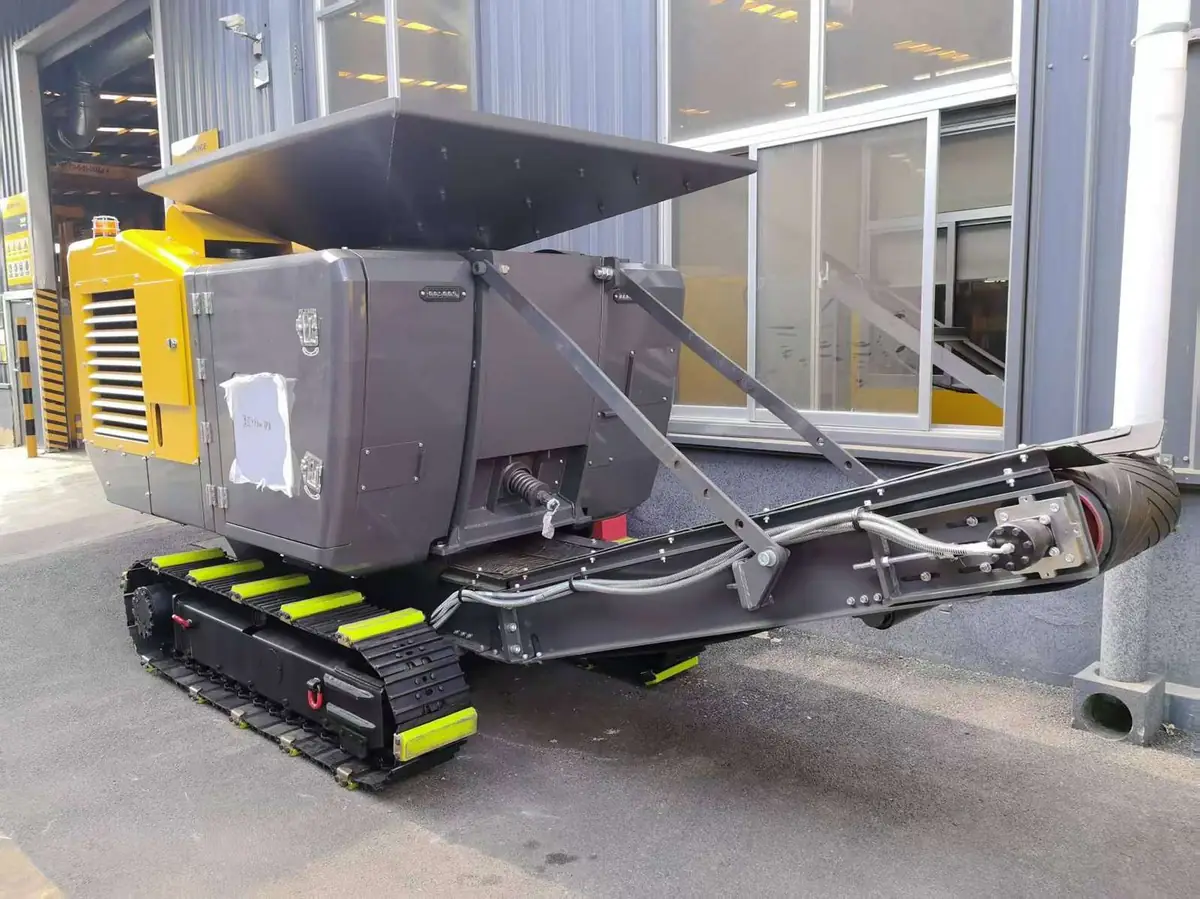
Small Mobile Crusher Capacity: How Much Concrete Can You Process in a Day?
Estimating small mobile crusher capacity is one of the most useful steps before buying a compact jaw crusher. This guide explains how contractors can turn site conditions into a practical daily output plan instead of relying on a generic number.
Table of Contents
Why Daily Capacity Is Usually Lower Than Theoretical Capacity
Many buyers ask about small mobile crusher capacity because they need a direct answer before arranging demolition waste recycling, road repair material handling, or small quarry production. The useful answer is not a fixed number copied from a brochure. Daily output depends on material hardness, feed size, operator rhythm, jaw setting, loading equipment, discharge handling, and how much of the shift is spent crushing instead of preparing material.
A realistic small mobile crusher capacity estimate starts with the whole jobsite. A compact jaw crusher can only keep working when the excavator or loader feeds it steadily, oversize pieces are reduced before loading, rebar and contaminants are controlled, and the discharge pile does not block the conveyor. When any of those details are ignored, the machine may be capable, but the site workflow becomes the bottleneck.
For contractors comparing machines, small mobile crusher capacity should be discussed as a range under defined conditions. Ask what type of concrete is being crushed, how large the incoming pieces are, whether reinforcement is present, what output size is required, and how many hours the crew can keep material moving. That framing helps the supplier recommend a model with less guesswork.
Start With Feed Material Before You Estimate Output
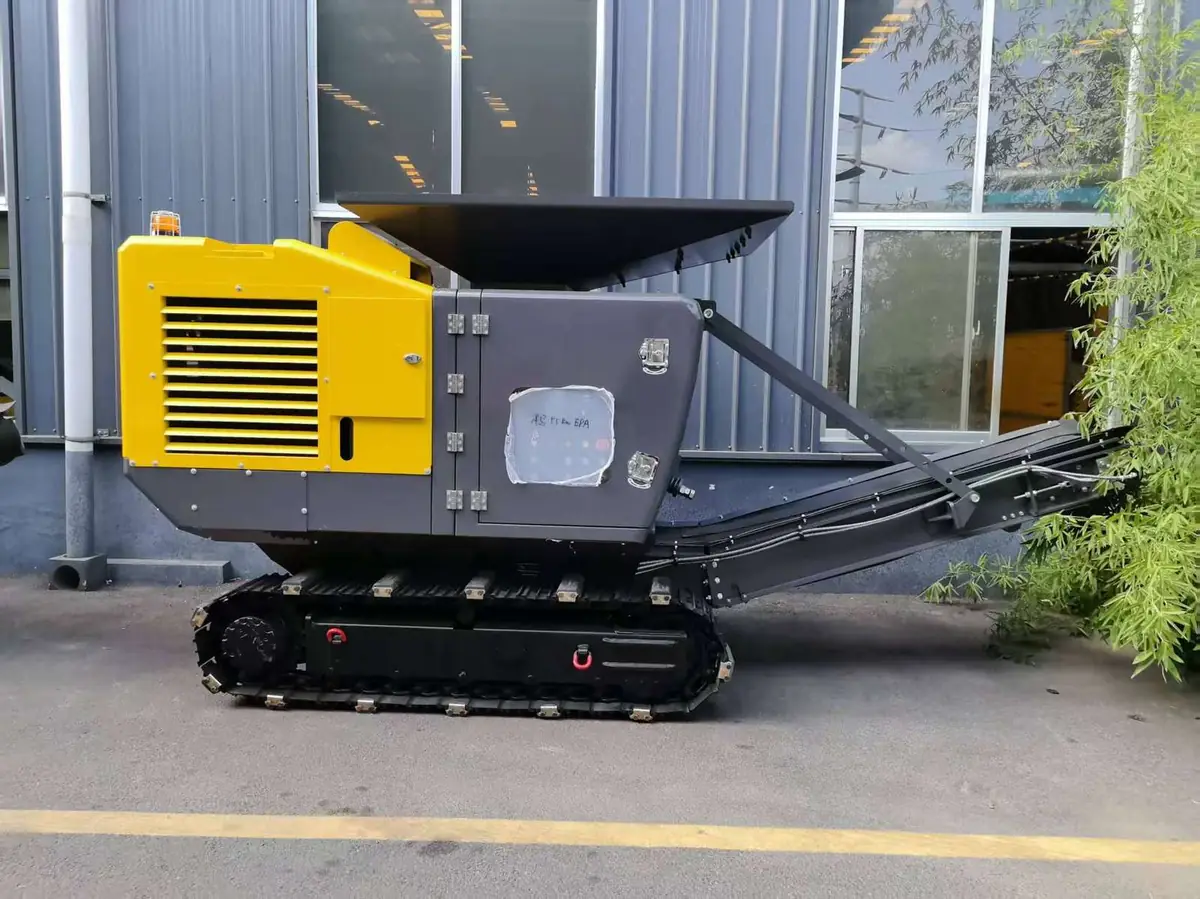
The first planning step for small mobile crusher capacity is material classification. Clean broken concrete behaves differently from mixed demolition waste. Foundation concrete, curb sections, pavers, bricks, asphalt chunks, limestone, and natural stone all influence the bite of the jaw, wear rate, and the pace of feeding. Even when two sites use the same crusher, their daily production can differ because the feed pile is different.
Concrete with light reinforcement may be acceptable when the pieces are prepared correctly, but long steel, wire mesh, timber, plastic, soil, and loose trash should be removed before feeding. Sorting improves small mobile crusher capacity because the crusher spends more time reducing mineral material and less time stopping for blockages or manual cleanup.
For general guidance on responsible construction and demolition material handling, buyers can review the U.S. EPA page on sustainable management of construction and demolition materials. It is not a crusher sizing manual, but it is a useful reminder that material separation and reuse planning should happen before the crushing day begins.
How Feed Size Changes the Daily Production Window
Feed size has a direct effect on small mobile crusher capacity. A jaw crusher is designed around a feed opening, but that does not mean every piece close to the maximum opening should be fed continuously. Long slabs, uneven chunks, and oversized blocks can bridge over the jaw, slowing production even if they technically fit.
A better approach is to measure the largest common feed pieces, not only the largest possible piece on the site. If most of the pile can be loaded smoothly and only a small percentage needs pre-breaking, small mobile crusher capacity will be more predictable. If half the pile needs hammering, the daily production plan should include that preparation time.
- Record the largest common feed size and the occasional oversize pieces separately.
- Confirm that the loader or excavator bucket can place material into the hopper without spilling.
- Keep long slabs and tangled reinforcement out of the direct feed stream.
- Ask the supplier how the recommended jaw setting affects small mobile crusher capacity for your material.
Match Discharge Size to the Real Use of the Aggregate
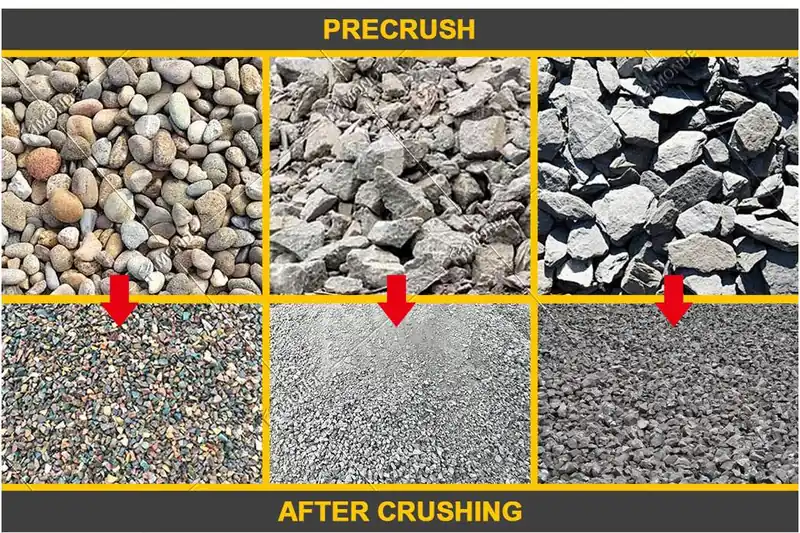
Output size is another reason small mobile crusher capacity varies. A wider discharge setting usually allows faster flow, while a tighter setting asks the machine to reduce material more aggressively. The correct setting should be chosen according to how the crushed product will be used, not only according to the highest possible tonnage.
If the output will be reused as sub-base, backfill, temporary access road material, or a feedstock for further screening, the acceptable size range may be different. Contractors should define the output target before comparing small mobile crusher capacity, because a machine that looks productive at a coarse setting may not deliver the same daily output at a finer setting.
Luyue has a dedicated guide on jaw crusher output size planning that can help buyers connect jaw setting, downstream use, and realistic expectations before they request a quotation.
Plan the Workday Around Feeding and Sorting
In the field, small mobile crusher capacity is often limited by feeding and sorting rather than by the crushing chamber. A small crew may spend time moving material, trimming oversize pieces, removing rebar, repositioning the crusher, managing dust, and clearing the discharge area. These activities are normal, but they must be included in the daily plan.
A practical schedule separates the day into preparation, crushing, inspection, and cleanup. If the team expects six hours of actual crushing in an eight-hour shift, small mobile crusher capacity should be calculated against those six productive hours. This is more reliable than multiplying a brochure figure by the full shift length.
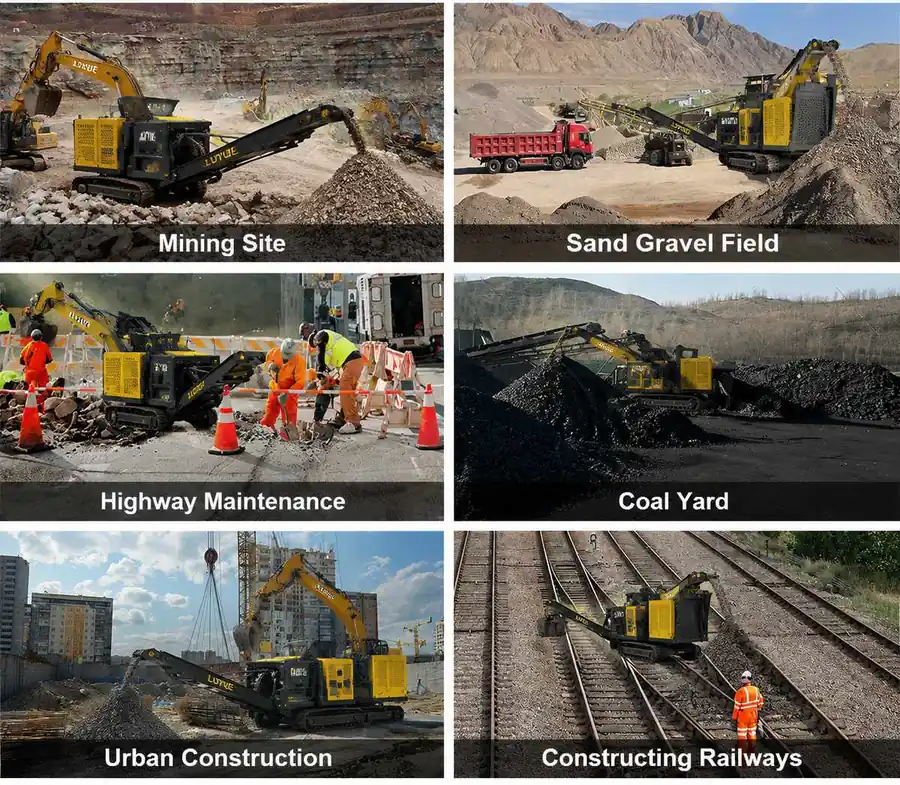
Site access also matters. A tracked crusher can move closer to the pile, which reduces haul distance and improves feeding rhythm. When the crusher is placed too far from the material, the loader spends more time traveling and small mobile crusher capacity becomes harder to maintain.
Capacity Factors Buyers Should Compare
Buyers should compare small mobile crusher capacity through specific machine and workflow factors. Jaw opening, crusher weight, track mobility, engine or power configuration, hopper layout, discharge height, jaw plate access, and local service support all affect how confidently the machine can work every day.
The best shortlist is usually not the biggest compact crusher a buyer can find. It is the machine that fits the site access, common feed size, target output, maintenance capability, and transport plan. A carefully matched small mobile crusher capacity decision reduces wasted investment and makes operator training easier.
| Decision factor | Why it affects output | Question to ask before buying |
|---|---|---|
| Feed opening | Controls how easily common pieces enter the jaw | What is the largest common piece on my site? |
| Jaw setting | Changes reduction effort and discharge size | Do I need coarse reuse material or tighter sizing? |
| Material cleanliness | Contaminants increase stoppages | How will rebar, wood, plastic, and soil be removed? |
| Loading equipment | Controls feed consistency | Can my excavator or loader feed the hopper safely? |
| Discharge handling | Blocked piles stop production | Where will crushed material go during the shift? |
| Service access | Maintenance time affects weekly production | Can wear parts be inspected and replaced efficiently? |
A Practical Table for Capacity Planning
The following table helps buyers discuss small mobile crusher capacity with a supplier without pretending that every jobsite is identical. Use it as a planning structure, then share real material photos, feed measurements, and output requirements for a more accurate recommendation.
| Site condition | Likely impact on daily capacity | Planning response |
|---|---|---|
| Clean broken concrete with manageable pieces | More stable feeding and fewer interruptions | Plan steady loading and check discharge space early |
| Concrete with occasional rebar | Moderate interruptions if steel is prepared poorly | Remove long steel and keep tools available for cleanup |
| Large slabs or foundation chunks | Lower output because pre-breaking is required | Schedule preparation time before estimating crushing hours |
| Mixed demolition waste | Unpredictable output due to contamination | Sort mineral material before it reaches the hopper |
| Tight urban site | Lower productivity if machine placement is compromised | Use tracked mobility to shorten loading distance |
How Luyue Helps Contractors Size a Crusher
Luyue helps buyers evaluate small mobile crusher capacity by asking for the practical details that affect daily work: material type, common feed size, desired output, available loading equipment, site access, expected working hours, and whether the machine must move between jobs. These details give the engineering team a clearer basis for recommending a crawler jaw crusher.
For projects centered on concrete recycling or small aggregate production, buyers can review the Luyue LY30 and LY50 mobile jaw crusher page and the crawler jaw crusher category before sending an inquiry. Product pages are useful, but the best small mobile crusher capacity estimate still comes from matching the machine to actual site conditions.
If your team is comparing suppliers, the jaw crusher supplier evaluation guide can help you check service communication, spare parts support, documentation, and export experience alongside machine specifications.
Safety Dust and Site Control Considerations
A strong small mobile crusher capacity plan also includes safety and environmental controls. Crushing concrete can create dust, noise, flying fragments, and equipment movement hazards. Operators should follow local safety rules, keep nonessential workers outside the work zone, and use water suppression or other dust controls where suitable.
In the United States, OSHA provides guidance on respirable crystalline silica in construction. Requirements vary by location, but silica awareness is relevant for contractors handling concrete, stone, mortar, and similar mineral materials. Buyers should include dust control in the workflow discussion, not treat it as an afterthought.
Procurement Checklist Before You Request a Quote
Before requesting a quote, prepare a short note that describes the material, feed size, daily volume target, output size, jobsite layout, power preference, transport limits, and expected work schedule. This makes the small mobile crusher capacity conversation faster and more accurate.
- Send photos of the feed pile and several close-up images of the largest concrete pieces.
- Measure the common feed size and the maximum occasional oversize material.
- Define the desired discharge size and final use of the crushed product.
- List the excavator, loader, or conveyor equipment available on site.
- Explain whether the crusher will stay on one site or move between projects.
One more useful step is to separate purchasing goals from production promises. If the buyer only says the project has many tons of concrete, the supplier may not know whether speed, output size, mobility, or low setup complexity matters most. A clear small mobile crusher capacity target should explain the business outcome: reducing disposal trips, preparing reusable sub-base, supporting a rental fleet, or handling recurring demolition material.
Procurement teams should also document what happens after the first crushing week. The first week often reveals whether operators need more training, whether the discharge area is too small, and whether the feed preparation method is realistic. Reviewing those points early turns small mobile crusher capacity from a one-time estimate into an operating benchmark that can be improved as the crew gains experience.
Frequently Asked Questions
What is the most important factor in small mobile crusher capacity?
The most important factor in small mobile crusher capacity is not a single machine specification. It is the match between feed size, material cleanliness, jaw setting, loading rhythm, and discharge handling.
Can I estimate small mobile crusher capacity from brochure capacity alone?
Brochure capacity can help with comparison, but small mobile crusher capacity should be estimated from real site conditions, productive crushing hours, and the output size your project needs.
Does reinforced concrete reduce small mobile crusher capacity?
Reinforced concrete can reduce small mobile crusher capacity when long steel, mesh, or oversized pieces cause stoppages. Good sorting and pre-breaking make the output more predictable.
How does output size affect small mobile crusher capacity?
A tighter output setting usually lowers small mobile crusher capacity because the jaw must do more reduction work. Choose the setting based on the final use of the material.
How can Luyue help with small mobile crusher capacity planning?
Luyue can review material photos, feed size, jobsite access, discharge requirements, and daily operating goals before recommending a compact mobile jaw crusher.
Request a Crusher Capacity Review
If you are planning a concrete recycling project, contact Luyue with your material photos, feed measurements, target output size, and expected working hours. The team can help you evaluate small mobile crusher capacity and compare suitable mobile jaw crusher options before you purchase. Start from the contact page and include as many site details as possible.