
Table of Contents
Introduction
A portable rock crusher should be selected around the material, the operator, and the jobsite rather than around a single brochure number. Buyers are usually not searching for a generic machine description. They want to understand whether the equipment can solve a specific production problem without creating new delays in loading, transport, maintenance, or site management.
This guide is written for contractors, equipment dealers, rental companies, and small quarry buyers. It focuses on portable rock crushing procurement, especially when the working material includes rock, stone, gravel oversize, concrete, and mixed inert feed material. The goal is to help buyers evaluate equipment in a practical way before requesting a quotation or arranging a factory discussion.
For Luyue Machinery’s crusher product range, buyers can start from the portable rock crusher related models and then confirm the final configuration according to real feed material, expected output size, and site conditions.
- portable rock crusher fit: best when the job requires practical size reduction close to the material source.
- portable rock crusher risk: performance drops when feed size, moisture, or contamination is not discussed early.
- portable rock crusher support: buyers should confirm spare parts, documentation, and operator guidance before shipment.
- portable rock crusher value: strongest when the whole site workflow is planned around steady feeding and discharge.
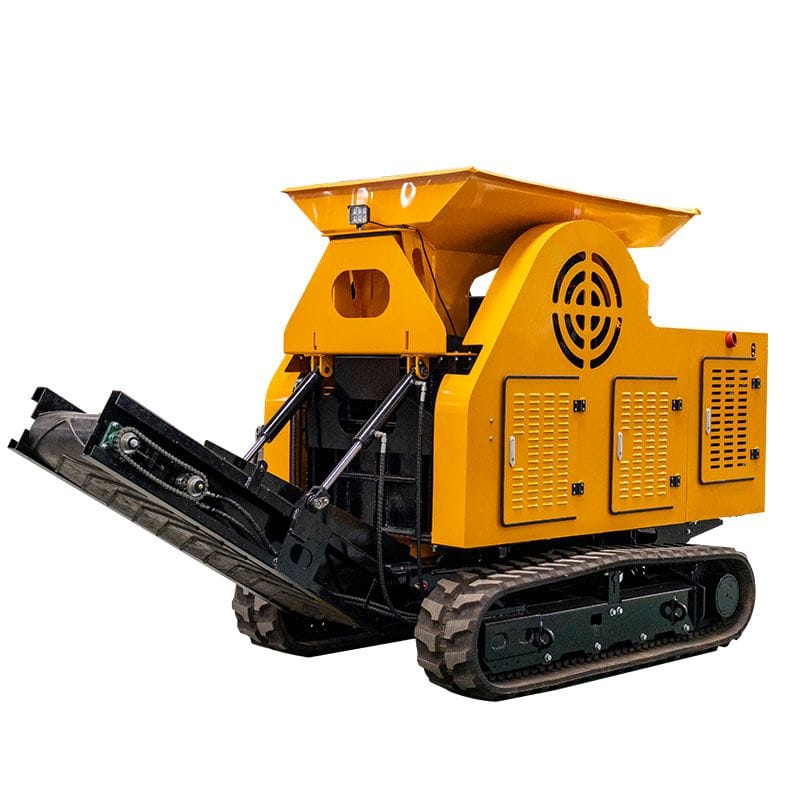
Why This Topic Matters for Portable rock crushing procurement
For professional buyers, the value of a portable rock crusher comes from stable production, practical service access, and reliable supplier support. In many projects, crushing is not an isolated task. It affects the loader cycle, truck movement, stockpile area, dust control, and how quickly the next stage of work can begin.
When the job involves adding flexible rock crushing capability without building a permanent plant, mobile crushing equipment can reduce unnecessary material movement. The buyer should still be careful: a machine that is convenient to transport is not automatically the right match for every feed size or every site layout.
The right portable rock crusher can reduce repeated handling when the crushing point is placed close to the material source. The strongest procurement decisions come from comparing the machine against the job process. This includes where material enters the site, where oversized pieces are sorted, where crushed material exits, and who will maintain the machine during daily work.
Best-Fit Applications
A poorly matched portable rock crusher can slow a project even when the machine looks strong on paper. The best applications are usually those where mobility, primary size reduction, and flexible positioning create measurable value. These are often jobs where sending all material to a fixed plant would add transport time or require more handling.
| Application | Main Challenge | Equipment Value |
|---|---|---|
| Demolition recycling | Large concrete and masonry pieces create handling problems | Primary crushing reduces material size near the source |
| Road construction | Material piles move as the work zone changes | Mobile setup keeps processing close to the active area |
| Small quarry work | A permanent plant may be unnecessary for the project scale | Flexible crushing supports changing production needs |
| Rental fleets | Customers need one machine for several site types | Versatile configuration improves utilization |
| Municipal projects | Limited space and public-area safety planning matter | Compact movement and organized workflow help site control |
For contractors, equipment dealers, rental companies, and small quarry buyers, the key question is not whether crushing is possible. The better question is whether the machine can keep working steadily after the first hour, when feed piles, operator habits, and site restrictions begin to shape real productivity.
Material Conditions to Confirm
Before ordering a portable rock crusher, buyers should compare feed conditions, output needs, and daily maintenance requirements. Material behavior has a direct effect on output. rock, stone, gravel oversize, concrete, and mixed inert feed material can vary widely in size, hardness, moisture, and contamination, even within one project.
Before choosing a model, buyers should record the largest feed size, the typical feed size, expected final size, estimated working hours, and whether material contains rebar, clay, soil, timber, or other unwanted contamination. Clean feed usually supports smoother operation, while mixed feed requires more careful sorting and monitoring.
In real work, a portable rock crusher performs best when loading, crushing, discharge, and stockpiling are planned together. Feed preparation is often more important than buyers expect. Oversized pieces can slow production, bridge in the hopper, or force the operator to stop and clear material. Consistent feed allows the crusher to work closer to its practical capacity.
- Confirm the largest pieces before choosing the jaw opening.
- Separate steel, timber, and unsuitable waste before feeding where possible.
- Check whether moisture or clay may cause sticking inside the flow path.
- Match loader bucket size to hopper and feeder design.
- Discuss expected discharge size before comparing model capacity.
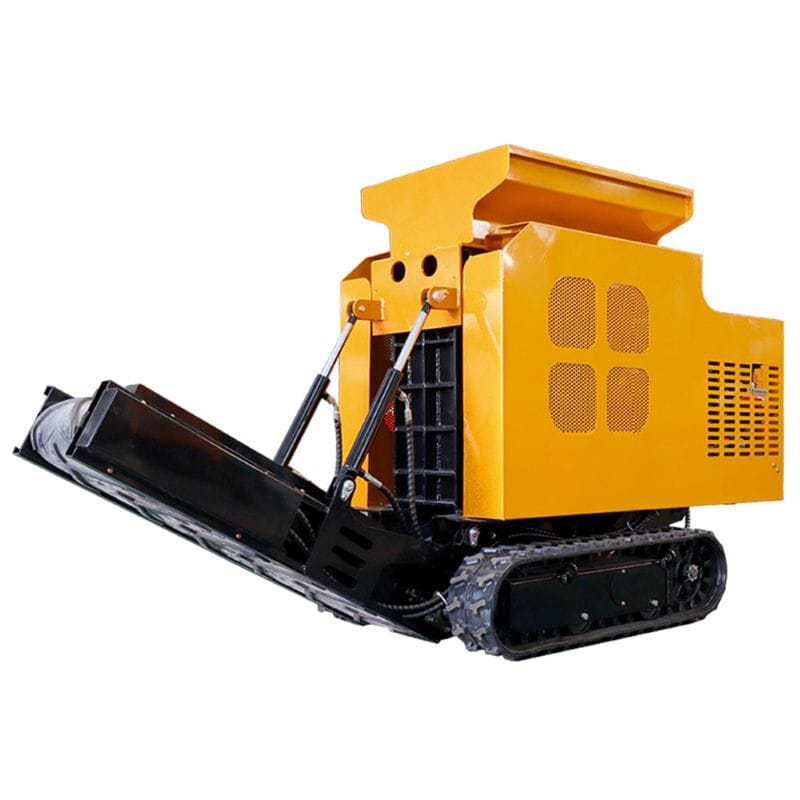
Machine Features That Affect Daily Work
A portable rock crusher should be selected around the material, the operator, and the jobsite rather than around a single brochure number. A buyer should look beyond paint, overall size, and a single rated capacity figure. The details that affect daily work include feeder design, jaw chamber structure, discharge adjustment, hydraulic layout, guarding, and service access.
A strong crushing chamber must handle repeated impact and compression without unnecessary vibration or structural fatigue. Jaw plate selection also matters because abrasive material increases wear cost. Buyers should ask what jaw plate options are recommended for their material rather than assuming one setup fits every site.
For professional buyers, the value of a portable rock crusher comes from stable production, practical service access, and reliable supplier support. For operators, control layout and visibility are practical issues. If the controls are confusing or maintenance points are hard to reach, daily productivity will suffer even when the machine has enough power.
| Feature | What to Check | Why It Matters |
|---|---|---|
| Feed system | Hopper shape, feeder control, blockage access | Stable feeding protects productivity |
| Jaw chamber | Opening size, jaw plate material, frame strength | Determines material suitability |
| Discharge setting | Adjustment range and adjustment method | Controls output size flexibility |
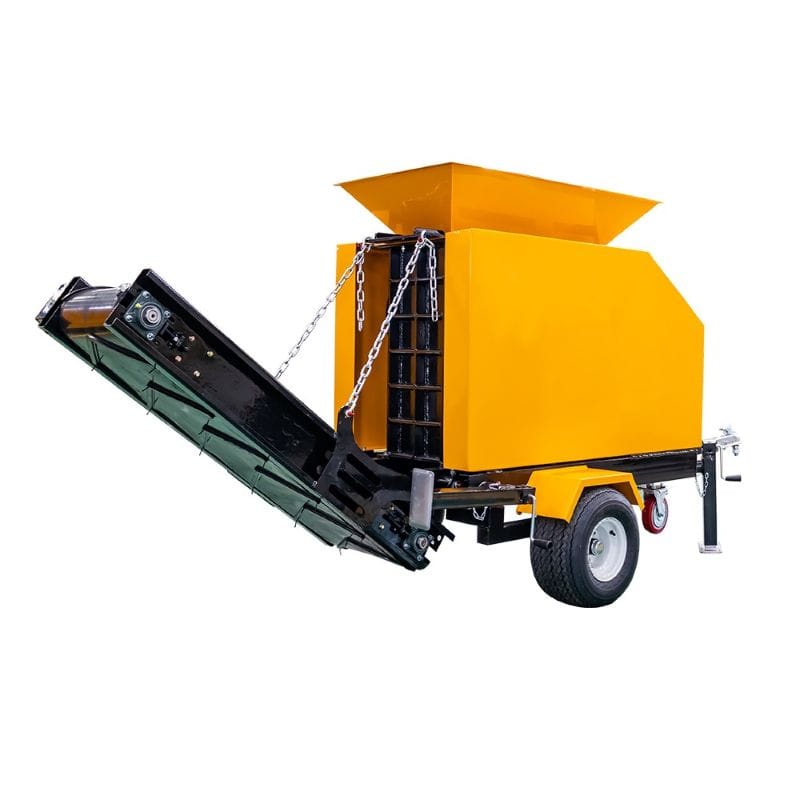
| Crawler or trailer base | Movement pattern and ground condition | Affects site mobility and setup time |
| Service access | Filters, belts, lubrication points, wear parts | Reduces downtime during daily work |
Procurement Notes for Real Jobsites
The right portable rock crusher can reduce repeated handling when the crushing point is placed close to the material source. The first procurement note is simple: buyers should describe the job before asking for the model. A poorly matched portable rock crusher can slow a project even when the machine looks strong on paper. The second note is to compare the equipment against the whole material flow, not only the crushing chamber. Before ordering a portable rock crusher, buyers should compare feed conditions, output needs, and daily maintenance requirements. The third note is to confirm who will operate and maintain the machine after delivery.
In real work, a portable rock crusher performs best when loading, crushing, discharge, and stockpiling are planned together. Buyers should also review transport access, local safety rules, operator training needs, and available spare parts before final approval. A portable rock crusher should be selected around the material, the operator, and the jobsite rather than around a single brochure number. If two machines look similar, service clarity and application support often decide which choice performs better over time.
Site Workflow and Layout Planning
For professional buyers, the value of a portable rock crusher comes from stable production, practical service access, and reliable supplier support. Site layout decides whether a crusher works smoothly or constantly waits for material. The machine needs enough room for loading, discharge, inspection, and safe operator movement.
A good layout separates raw material, oversize sorting, crusher feeding, finished stockpiles, and truck movement. The site should also allow safe access for maintenance. If the crusher is placed too tightly between piles or walls, simple inspection work becomes slower and less safe.
The right portable rock crusher can reduce repeated handling when the crushing point is placed close to the material source. When planning adding flexible rock crushing capability without building a permanent plant, buyers should think about the whole process: loader approach, feed direction, discharge conveyor path, dust control, drainage, and where finished material will be used or transported.
For more general background on crushing equipment principles, the crusher overview on Wikipedia gives a useful technical starting point. For dust exposure planning during concrete and stone processing, OSHA’s information on respirable crystalline silica is also worth reviewing according to local regulatory needs.
Maintenance, Wear Parts, and Downtime Control
A poorly matched portable rock crusher can slow a project even when the machine looks strong on paper. Maintenance planning should begin before purchase. Buyers should ask for recommended spare parts, lubrication points, inspection routines, and wear part replacement guidance based on the expected material.
Jaw plates, belts, filters, hydraulic hoses, bearings, fasteners, and crawler or trailer components should be included in the maintenance discussion. The goal is not to collect a long parts list. The goal is to understand which parts are most likely to affect uptime in the buyer’s real application.
Before ordering a portable rock crusher, buyers should compare feed conditions, output needs, and daily maintenance requirements. Downtime is rarely caused by one dramatic failure. More often, it comes from small problems that were not inspected early: loose bolts, uneven jaw wear, belt tracking issues, clogged filters, or damaged hoses.
- Build a daily inspection routine before the machine enters service.
- Keep critical wear parts available for high-use applications.
- Train operators to report unusual vibration, noise, heat, or material flow changes.
- Record operating hours and material type to understand wear patterns.
- Discuss remote support and parts lead time with the supplier before ordering.
Buyer Checklist
In real work, a portable rock crusher performs best when loading, crushing, discharge, and stockpiling are planned together. A structured checklist helps buyers compare machines without being distracted by one attractive specification. The checklist should include application fit, material conditions, service support, documentation, and long-term operating cost.
| Question | Why It Helps |
|---|---|
| What is the largest feed size the machine should handle? | Prevents mismatch between material and jaw opening |
| What output size is required? | Clarifies discharge adjustment and downstream screening needs |
| How often will the crushing point move? | Helps choose crawler, trailer, or fixed layout |
| What parts are expected to wear fastest? | Improves spare parts planning |
| What support is available after delivery? | Reduces risk for overseas buyers and rental fleets |
| Can the supplier review photos or videos of the feed material? | Improves model recommendation accuracy |
A portable rock crusher should be selected around the material, the operator, and the jobsite rather than around a single brochure number. International buyers should also confirm export documentation, operation manuals, spare parts catalogs, inspection options, and communication process after delivery.
Supplier Discussion Notes
For professional buyers, the value of a portable rock crusher comes from stable production, practical service access, and reliable supplier support. During quotation discussions, buyers should ask the supplier to connect each recommendation with a real operating condition. The right portable rock crusher can reduce repeated handling when the crushing point is placed close to the material source. This makes the conversation more useful than a simple model comparison. A poorly matched portable rock crusher can slow a project even when the machine looks strong on paper. A clear supplier should be able to explain why one configuration is more suitable than another.
Before ordering a portable rock crusher, buyers should compare feed conditions, output needs, and daily maintenance requirements. Buyers can also request inspection videos, material testing suggestions, and maintenance guidance before shipment. In real work, a portable rock crusher performs best when loading, crushing, discharge, and stockpiling are planned together. These details help the buyer understand whether the supplier has practical application experience. A portable rock crusher should be selected around the material, the operator, and the jobsite rather than around a single brochure number. When the project involves demanding material or remote operation, this support becomes even more important.
For professional buyers, the value of a portable rock crusher comes from stable production, practical service access, and reliable supplier support. The final buying decision should connect machine structure, parts supply, documentation, and operator training. The right portable rock crusher can reduce repeated handling when the crushing point is placed close to the material source. If those points are aligned, the equipment has a stronger chance of delivering dependable value after delivery.
Common Mistakes to Avoid
A poorly matched portable rock crusher can slow a project even when the machine looks strong on paper. One common mistake is comparing machines only by maximum capacity. Capacity depends on feed size, material hardness, discharge setting, loading rhythm, moisture, and how finished material leaves the machine.
Another mistake is ignoring the operator. A machine that is difficult to feed, inspect, or adjust may not deliver its expected value. Practical access and clear controls are not small details; they shape daily output.
Before ordering a portable rock crusher, buyers should compare feed conditions, output needs, and daily maintenance requirements. Buyers should also avoid assuming that every machine in the same category has the same support structure. Supplier response, spare parts availability, and clear documentation can make a major difference after the equipment arrives.
FAQ
How do I know if a portable rock crusher fits my project?
Start with the material and site conditions. If the project involves rock, stone, gravel oversize, concrete, and mixed inert feed material and the goal is adding flexible rock crushing capability without building a permanent plant, a portable rock crusher may be suitable, but the final model should be matched to feed size, output size, and site layout.
Should I focus on capacity first?
Capacity matters, but it should not be the first or only comparison point. Practical capacity depends on the whole workflow, including loading, material preparation, discharge, stockpiling, and maintenance.
What information should I send to a supplier?
Send material photos or videos, largest feed size, desired final size, worksite photos, expected operating hours, and transport requirements. This helps the supplier recommend a more realistic configuration.
How many spare parts should be prepared?
The answer depends on material abrasiveness and daily use. At minimum, buyers should discuss jaw plates, belts, filters, lubrication items, and application-specific wear parts before delivery.
Conclusion
In real work, a portable rock crusher performs best when loading, crushing, discharge, and stockpiling are planned together. The best purchasing decision comes from connecting machine specifications with real working conditions. Buyers should evaluate material, layout, operator needs, maintenance access, and supplier support together.
For contractors, equipment dealers, rental companies, and small quarry buyers, the strongest value is not simply owning crushing equipment. It is having a dependable process for adding flexible rock crushing capability without building a permanent plant. When the machine is selected around that process, mobile crushing can improve site efficiency, reduce material handling pressure, and support more confident project planning.