
Construction Waste Is No Longer Just Waste
Every construction or demolition project generates waste. Concrete slabs, bricks, blocks, asphalt and natural stone often end up being transported to landfills, resulting in high transportation costs, disposal fees and additional material purchases for future projects.
Today, more contractors are changing this approach. Instead of treating construction waste as something to discard, they process it into reusable aggregate that can be used on-site or even sold for other construction applications.
This shift not only reduces project costs but also improves efficiency and supports sustainable construction practices.
In this guide, you’ll learn how construction waste becomes reusable aggregate, which materials can be recycled, what equipment is required and why on-site recycling is becoming increasingly popular worldwide.
Why More Contractors Are Recycling Construction Waste
Construction waste contains valuable mineral materials that can often be reused after proper crushing and screening.
Instead of paying to remove debris from the job site, contractors can convert waste into a resource that has real economic value.
The main benefits include:
Lower transportation costs
Reduced landfill disposal fees
Less need to purchase new aggregates
Faster project completion
Better site organization
Reduced environmental impact
Improved project profitability
As landfill regulations become stricter in many countries, recycling construction waste has become both an environmental responsibility and a smart business decision.
What Types of Construction Waste Can Be Recycled?
Not every material should be processed through a crusher.
Materials suitable for recycling include:
Reinforcement-free concrete
Concrete foundations
Concrete blocks
Clay bricks
Natural stone
Masonry waste
Sidewalk concrete
Pavement materials
Materials that should be removed before crushing include:
Steel reinforcement
Wood
Plastic
Glass
Household waste
Organic materials
Proper material sorting improves crushing efficiency, protects equipment and produces higher-quality recycled aggregate.
Step 1: Sort Materials Before Crushing
The recycling process starts with proper material separation.
Large pieces of steel, timber and plastic should be removed before feeding material into a crusher.
Clean input material leads to:
Higher productivity
Better aggregate quality
Lower equipment wear
Reduced operating costs
Even a few minutes spent sorting materials can significantly improve the final recycling results.
Step 2: Crush Construction Waste Directly on Site
One of the biggest changes in modern construction recycling is on-site crushing.
Instead of loading waste onto trucks and transporting it to a recycling center, contractors can crush materials directly where demolition takes place.
This approach reduces:
Truck transportation
Fuel consumption
Loading time
Labor costs
Material handling
On-site crushing also allows projects to continue without waiting for external recycling services.
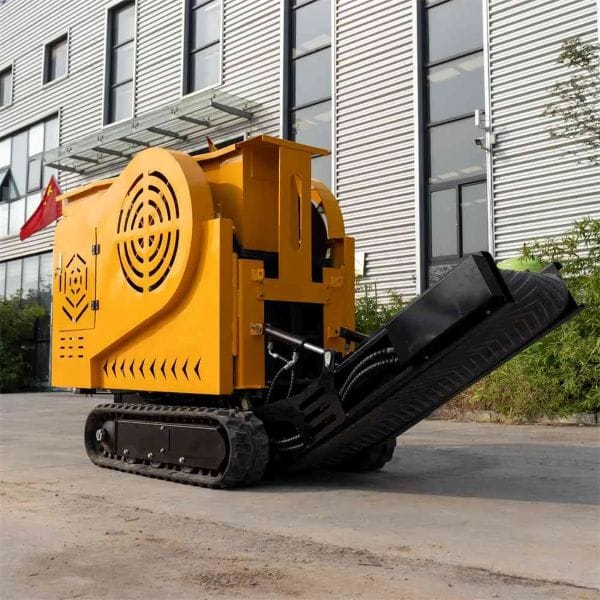
For many small and medium-sized projects, compact mobile jaw crushers provide an efficient solution because they are easy to transport and can work in limited spaces.
Step 3: Screen the Crushed Material
After crushing, the recycled material is often screened into different particle sizes.
Different aggregate sizes can be used for different purposes, including:
Road base
Backfilling
Temporary construction roads
Pipe bedding
Foundation preparation
Landscaping
Site leveling
Proper screening improves the value and usability of recycled aggregate.
Can Recycled Aggregate Be Sold?
Yes. In many regions, recycled aggregate has become a valuable construction material.
Depending on local regulations and quality requirements, recycled aggregate may be sold or reused for:
Municipal projects
Road construction
Industrial developments
Commercial construction
Residential infrastructure
For contractors who regularly perform demolition work, recycled aggregate can become an additional source of revenue rather than simply reducing disposal costs.
How to Choose the Right Mobile Crusher
Choosing the right crusher depends on several important factors rather than simply selecting the largest machine.
Consider the following questions:
What type of material will be processed?
What is the maximum material size?
How many tons need to be processed each day?
Is the machine used at multiple job sites?
Is transportation convenience important?
What is the available budget?
For smaller demolition projects, compact mobile jaw crushers often provide an excellent balance between productivity, mobility and operating cost.
Frequently Asked Questions
Is recycled concrete as useful as new aggregate?
For many applications such as road base, backfilling and foundation preparation, recycled concrete performs very well and is widely accepted.
Does on-site crushing really reduce costs?
Yes. Many contractors save money by reducing transportation, landfill fees and the purchase of new aggregate.
The actual savings depend on project size, transportation distance and local disposal costs.
Can a small mobile crusher handle concrete and bricks?
Yes. Compact mobile jaw crushers are commonly used to process concrete, bricks, natural stone and similar mineral materials.
However, steel reinforcement and unsuitable materials should be removed before crushing.
Is construction waste recycling suitable for small contractors?
Absolutely. Small contractors often benefit the most because transportation and disposal costs represent a larger percentage of total project expenses.
Compact mobile crushers allow these companies to recycle materials without investing in large stationary recycling plants.
The Future of Construction Waste Recycling
Construction waste recycling is becoming an essential part of modern construction.
Governments are encouraging material reuse, landfill costs continue to increase and contractors are looking for more efficient ways to reduce operating expenses.
Mobile crushing equipment allows valuable materials to stay on the job site instead of becoming waste.
Rather than paying to remove concrete and bricks, contractors can transform them into reusable aggregate that supports future construction projects.
As recycling technology continues to improve, on-site crushing is expected to play an even greater role in sustainable construction around the world.
Conclusion
Construction waste should no longer be viewed simply as something to dispose of.
With proper sorting, efficient crushing and responsible material management, concrete, bricks and stone can become valuable recycled aggregate suitable for many construction applications.
For contractors, demolition companies and recycling businesses, on-site recycling is more than an environmental solution—it is a practical way to reduce costs, improve efficiency and increase the value of every project.