
Table of Contents
Introduction
A mini excavator for agriculture should match the land, daily jobs, and attachment plan instead of being chosen only by engine size. Agriculture often needs compact machinery that can work around narrow lanes, greenhouses, orchards, livestock areas, irrigation lines, and uneven ground. A full-size excavator may be too large for these jobs, while manual labor can be slow and inconsistent.
This guide explains how to evaluate a mini excavator for agriculture from a practical buyer’s point of view. It is written for farm owners, agricultural contractors, equipment dealers, rental companies, and overseas buyers who need a compact digging machine that can support daily farm maintenance and seasonal projects.
The right mini excavator for agriculture helps farms handle small digging, cleaning, drainage, planting, and repair work without bringing in oversized equipment. The goal is not to choose the largest possible machine. The goal is to choose a compact excavator that can reach the work area, handle the required attachments, stay stable on farm ground, and remain easy to service over time.
- mini excavator for agriculture fit: strongest when access width, soil condition, and attachment needs are known before purchase.
- mini excavator for agriculture risk: poor sizing can reduce stability, slow cycle times, and increase maintenance pressure.
- mini excavator for agriculture value: highest when one machine can support trenching, ditch cleaning, planting support, fence work, and small repair jobs.
- mini excavator for agriculture selection: should include machine size, hydraulics, tracks, operator comfort, parts supply, and supplier guidance.
What Is a Mini Excavator for Agriculture
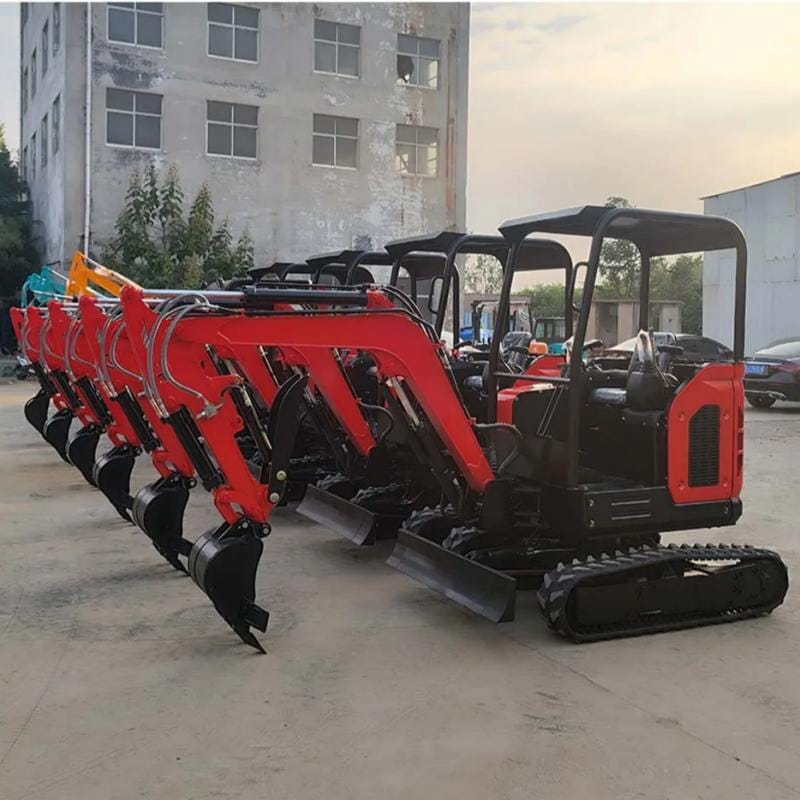
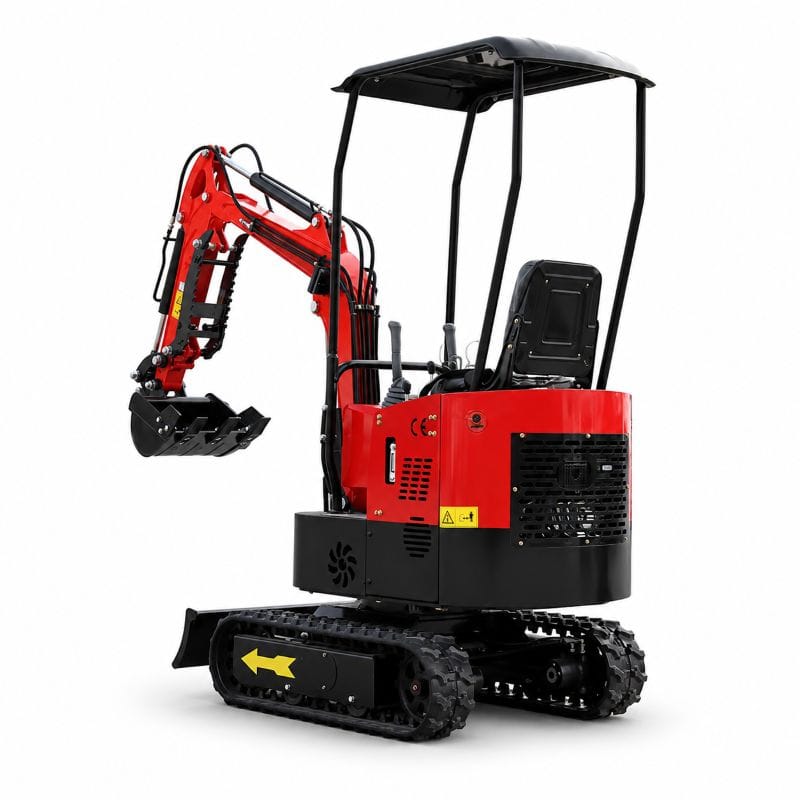
When buyers compare a mini excavator for agriculture, operating weight, hydraulic flow, track design, and service support matter as much as basic digging depth. A mini excavator is a compact hydraulic excavator designed for digging, grading, lifting within its rated limits, and using different front-end attachments. Compared with larger excavators, it is easier to transport, easier to maneuver in tight spaces, and more suitable for small to medium farm tasks.
In agricultural work, the machine is often used in places where wheel loaders, tractors, or full-size excavators are less convenient. Orchard rows, greenhouse entrances, animal pens, fishpond edges, and irrigation paths may all require tighter turning and lighter ground pressure.
For a general background on excavator machine types, readers can review the neutral overview of excavators. For actual purchasing, however, the important point is how the compact machine fits your farm workflow.
A poorly matched mini excavator for agriculture can feel convenient at first but become slow, unstable, or difficult to maintain once field conditions change. A good mini excavator for agriculture should not be treated as a toy or a generic small machine. It is still a hydraulic work tool, so buyers should evaluate reach, bucket force, track contact, hydraulic control, service access, and operator safety with the same seriousness used for larger equipment.
Common Farm Applications
For dealers and farm owners, a mini excavator for agriculture works best when the machine is selected around real tasks rather than a single brochure specification. Farm buyers usually look for versatility. One machine may be expected to dig irrigation trenches in the morning, clean a drainage ditch after rain, remove small stumps, maintain a pond edge, and help prepare foundations for light farm structures.
| Farm Task | Why a Compact Excavator Helps | Selection Note |
|---|---|---|
| Irrigation trenching | Works in narrow field paths and can follow planned line routes | Check digging depth and bucket width options |
| Drainage ditch cleaning | Removes silt and reshapes small channels | Look at reach, stability, and track grip |
| Orchard and vineyard work | Fits between rows better than large machines | Confirm machine width and swing clearance |
| Fence and post preparation | Supports small holes and soil removal with attachments | Confirm hydraulic attachment compatibility |
| Greenhouse and nursery work | Works around confined entrances and soft ground | Check operating weight and track type |
| Livestock area maintenance | Handles cleaning, small trenching, and repair support | Prioritize easy cleaning and safe operation |
Before ordering a mini excavator for agriculture, buyers should describe the soil, crop environment, access width, attachments, and expected working hours. The best application list is the one based on your own farm. Buyers should write down regular jobs, seasonal jobs, and emergency maintenance jobs before comparing models. That simple list makes the machine discussion much more accurate.
Why Choosing the Right Model Matters
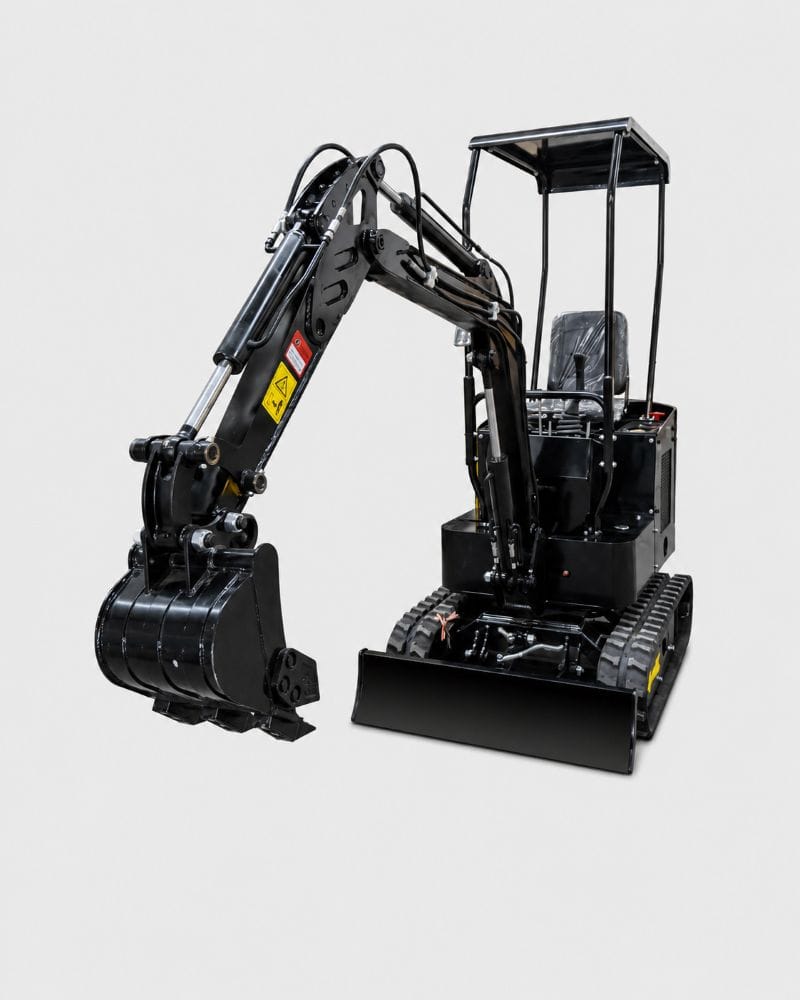
A mini excavator for agriculture should match the land, daily jobs, and attachment plan instead of being chosen only by engine size. A compact excavator that is too small may struggle with reach, breakout force, or attachment performance. A machine that is too large may damage ground, fail to pass through gates, or become awkward in orchards and greenhouses.
Machine choice also affects the operator. If controls are cramped, visibility is poor, or adjustment points are difficult to reach, daily work becomes slower. Farm machinery often serves many small tasks rather than one long production cycle, so ease of starting, moving, adjusting, and maintaining the machine matters.
The right mini excavator for agriculture helps farms handle small digging, cleaning, drainage, planting, and repair work without bringing in oversized equipment. For international buyers, the right model also reduces after-sales problems. When the supplier understands the farm environment, spare parts, attachment selection, and maintenance guidance can be planned before the machine arrives.
Operating Weight and Machine Size
When buyers compare a mini excavator for agriculture, operating weight, hydraulic flow, track design, and service support matter as much as basic digging depth. Operating weight is one of the first specifications to check. Lighter machines are easier to transport and better suited for tight farm areas, but very light models may have limits in stability and digging force. Heavier compact machines can feel more stable, but they need more access space and stronger transport planning.
Start with access width. Measure gates, greenhouse doors, row spacing, storage entrances, trailer ramps, and narrow paths. Then compare those measurements with the machine width, track width, and tail swing. A model that cannot reach the work area is not the right model, even if its digging specifications look attractive.
A poorly matched mini excavator for agriculture can feel convenient at first but become slow, unstable, or difficult to maintain once field conditions change. Ground condition is just as important. Wet fields, loose soil, pond edges, and sloped farm roads all change how the machine behaves. Buyers should discuss soil and slope conditions with the supplier rather than relying only on operating weight.
| Machine Priority | Best Fit | Possible Tradeoff |
|---|---|---|
| Very compact size | Greenhouses, narrow gates, small orchards, nursery work | Lower reach or lifting capacity |
| Balanced compact size | General farms, trenching, ditch cleaning, small construction around farm buildings | Requires more transport and access planning |
| Higher stability | Pond work, deeper digging, heavier attachments within compact class | May be less convenient in tight rows |
Digging Depth Reach and Stability
For dealers and farm owners, a mini excavator for agriculture works best when the machine is selected around real tasks rather than a single brochure specification. Digging depth should match the real work. Irrigation lines, drainage trenches, small foundations, and pond maintenance may each require different depth and reach. Do not choose a machine only because its maximum digging depth looks large on paper.
Reach matters when working across a ditch, around a fence, or from a safe position beside a soft edge. Stability matters when the machine is turned, extended, or using an attachment. These three factors should be reviewed together, not separately.
Before ordering a mini excavator for agriculture, buyers should describe the soil, crop environment, access width, attachments, and expected working hours. Buyers should ask the supplier how the machine behaves in common farm tasks, especially when the boom is extended or the ground is uneven. The right answer depends on the machine, the operator, the attachment, and the site condition.
Hydraulic System and Attachment Compatibility
A mini excavator for agriculture should match the land, daily jobs, and attachment plan instead of being chosen only by engine size. The hydraulic system controls more than digging. It affects how well the machine can use attachments such as augers, ditching buckets, grading buckets, rippers, small breakers, grapples, and other tools used in farm maintenance.
If attachments are part of the plan, confirm hydraulic lines, flow, pressure suitability, mounting dimensions, coupler options, and control layout before ordering. A buyer who chooses the machine first and attachments later may discover that an important tool is not convenient to install or operate.
The right mini excavator for agriculture helps farms handle small digging, cleaning, drainage, planting, and repair work without bringing in oversized equipment. Attachment planning is one of the main reasons to discuss the farm workflow early. A machine used only for occasional trenching may need a different configuration from a compact excavator expected to support planting, drainage, livestock repairs, and land clearing.
| Attachment | Typical Farm Use | Buyer Check |
|---|---|---|
| Standard digging bucket | Trenches, soil removal, small foundations | Bucket width and tooth design |
| Ditching bucket | Drainage channels and pond-edge shaping | Width, smooth edge, and machine stability |
| Auger | Fence posts, tree planting, support holes | Hydraulic compatibility and soil condition |
| Ripper | Hard soil and root disturbance | Machine force and attachment mounting |
| Grapple or clamp option | Handling branches, debris, and farm cleanup | Hydraulic circuit and control method |
Tracks Undercarriage and Farm Terrain
When buyers compare a mini excavator for agriculture, operating weight, hydraulic flow, track design, and service support matter as much as basic digging depth. Tracks and undercarriage design affect ground pressure, traction, cleaning, and service life. Rubber tracks are often suitable for mixed farm surfaces because they can reduce damage on paths, concrete yards, and prepared areas. Track width and tread style still need to fit the soil and job.
Farm terrain can include mud, gravel, grass, manure areas, loose fill, field roads, and slopes. Operators should avoid treating every surface the same. A compact machine can be stable and efficient when used correctly, but unsafe positioning can create risk.
For general safety planning around excavation work, buyers can review guidance from OSHA trenching and excavation resources. Local rules and site-specific procedures should always be followed.
A poorly matched mini excavator for agriculture can feel convenient at first but become slow, unstable, or difficult to maintain once field conditions change. When evaluating a mini excavator for agriculture, ask about track adjustment, undercarriage cleaning, replacement parts, and how the machine should be stored after muddy or corrosive work. These details affect real ownership cost.
Operator Comfort Safety and Daily Usability
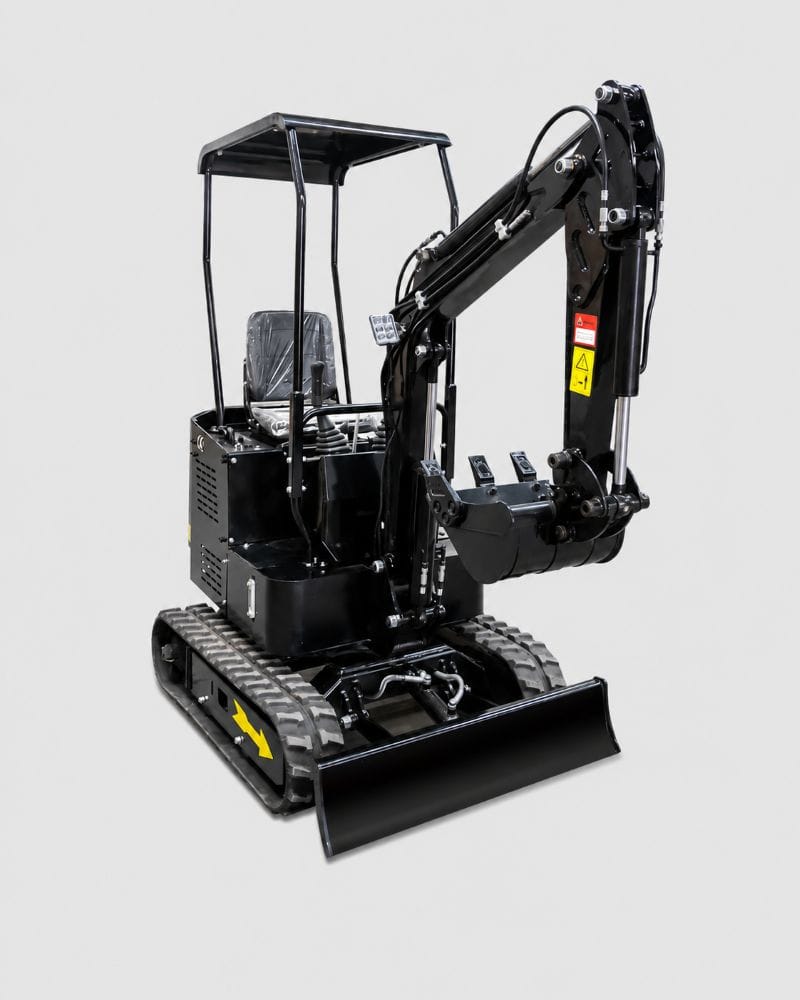
For dealers and farm owners, a mini excavator for agriculture works best when the machine is selected around real tasks rather than a single brochure specification. Farm machines may be used by owners, family operators, hired workers, and seasonal staff. Clear controls, good visibility, stable access, and simple daily checks can reduce mistakes and make the machine easier to use consistently.
Comfort is not only about convenience. If an operator can see the bucket, judge the trench line, and control the machine smoothly, the work is more accurate. If the operator station is tiring or awkward, small farm tasks can take longer than expected.
Before ordering a mini excavator for agriculture, buyers should describe the soil, crop environment, access width, attachments, and expected working hours. Buyers should review seat position, control response, visibility, warning labels, maintenance access, and whether the supplier provides operation guidance. A compact machine still needs disciplined operation, especially near ditches, slopes, livestock areas, and bystanders.
Maintenance Spare Parts and Supplier Support
A mini excavator for agriculture should match the land, daily jobs, and attachment plan instead of being chosen only by engine size. Maintenance planning should start before purchase. Farms often work far from large service centers, so parts availability and clear maintenance guidance can be more important than one impressive specification.
Ask about filters, hydraulic oil requirements, grease points, track tension, bucket pins, wear parts, belts, electrical components, and common replacement items. The easier these items are to identify and order, the less downtime the farm will face during busy seasons.
The right mini excavator for agriculture helps farms handle small digging, cleaning, drainage, planting, and repair work without bringing in oversized equipment. A supplier should help buyers match the machine with expected working hours and job types. For dealers, this is also important because end users will ask for parts, attachments, operation guidance, and troubleshooting support after delivery.
Buyer Checklist Before Ordering
When buyers compare a mini excavator for agriculture, operating weight, hydraulic flow, track design, and service support matter as much as basic digging depth. A clear checklist prevents the most common purchasing mistakes. Before requesting a quotation, prepare practical details about your site and intended work rather than asking only for the smallest or cheapest machine.
| Question | Why It Matters |
|---|---|
| What are the narrowest access points on the farm? | Confirms machine width, tail swing, and transport fit |
| What jobs will be done every month? | Separates daily value from occasional use |
| What digging depth and reach are actually needed? | Prevents under-sizing or unnecessary over-sizing |
| Which attachments are required now or later? | Ensures hydraulic and mounting compatibility |
| What soil and terrain will the machine face? | Guides track, stability, and maintenance planning |
| Who will operate and maintain the machine? | Affects training, controls, safety, and service simplicity |
| How quickly can spare parts be supplied? | Reduces downtime during planting, harvest, or repair periods |
A poorly matched mini excavator for agriculture can feel convenient at first but become slow, unstable, or difficult to maintain once field conditions change. Buyers should also share photos or videos of the worksite with the supplier. Visual information often reveals access limitations, soil conditions, and attachment needs that are not clear from a written message alone.
Why Choose Luyue Machinery
For dealers and farm owners, a mini excavator for agriculture works best when the machine is selected around real tasks rather than a single brochure specification. Luyue Machinery supplies compact machinery for buyers who need practical equipment for real working environments. For farm users, the important discussion is not only which model looks attractive, but which configuration can support the intended work with suitable attachments and maintainability.
The Luyue mini tracked excavator range includes compact models that can be evaluated for trenching, drainage, orchard support, greenhouse work, farm maintenance, and small construction around agricultural sites. Buyers comparing a mini excavator for agriculture can review machine size, working range, hydraulic options, and attachment needs with the sales team before ordering.
Before ordering a mini excavator for agriculture, buyers should describe the soil, crop environment, access width, attachments, and expected working hours. If you are selecting a mini excavator for agriculture, prepare your farm task list, photos, access measurements, and attachment plan. This information helps Luyue recommend a more suitable model and reduces the risk of choosing a machine that is either too small or unnecessarily large.
FAQ
What size mini excavator is suitable for farm work?
The right size depends on access width, digging depth, soil condition, attachment needs, and transport method. A compact model is often suitable for orchards, greenhouses, irrigation trenches, and general farm maintenance, but the supplier should review your actual tasks before recommending a mini excavator for agriculture.
Can a mini excavator be used for irrigation trenching?
Yes, many farms use compact excavators for irrigation and drainage trenching. Buyers choosing a mini excavator for agriculture should confirm digging depth, bucket width, reach, stability, and whether the machine can move safely along the planned trench route.
Which attachments are useful for agricultural work?
Common options include digging buckets, ditching buckets, augers, rippers, and debris-handling attachments. The best combination depends on whether the machine will be used for trenching, planting support, fence work, pond maintenance, or cleanup.
Are rubber tracks good for farm use?
Rubber tracks are often useful on mixed farm surfaces because they can reduce damage on prepared paths and yards. Buyers still need to consider mud, slopes, sharp debris, track cleaning, and undercarriage maintenance.
What should I send to a supplier before buying?
Send worksite photos, access measurements, soil conditions, required digging depth, preferred attachments, transport method, and expected working hours. This makes the recommendation more accurate and helps avoid a poor fit.
Conclusion
A mini excavator for agriculture should match the land, daily jobs, and attachment plan instead of being chosen only by engine size. Selecting farm equipment is easier when the decision starts with the work, not the brochure. Access width, operating weight, digging depth, hydraulics, tracks, attachment compatibility, and service support all affect whether the machine will perform well after delivery.
A well-chosen mini excavator for agriculture can support drainage, irrigation, planting, maintenance, cleaning, and small construction tasks across many types of farms. To discuss a suitable model and attachment plan, contact Luyue Machinery with your farm application details.