
Table of Contents
Direct Answer
A mini crusher starts to make sense when a contractor repeatedly handles mineral waste that can be crushed, reused, stockpiled, or processed with better schedule control. The strongest buying decision connects feed material, machine size, site access, output target, operator routine, and after-sales support before a purchase is made.
For buyers comparing a mini crusher, the practical question is not only whether the equipment can crush hard material. The question is whether the equipment can help the project reduce handling steps, control output, and keep work moving in the site conditions that actually exist.
A useful mini crusher quotation should explain the recommended model, expected use case, feed assumptions, output expectations, shipping details, and starter spare parts. When a mini crusher quote is based on real project information, it is easier for the buyer to compare value instead of only comparing machine names.
Introduction
This updated guide is written for contractors, demolition businesses, rental companies, small recyclers, and project managers evaluating equipment ownership. It focuses on purchase justification for contractors comparing ownership with hauling or outsourcing, with a clear path from material assessment to supplier discussion. The goal is to help buyers avoid vague capacity claims and ask questions that lead to a better equipment match.
A mini crusher should be evaluated as part of a workflow. Raw feed must be sorted, loaded at a steady rhythm, crushed at a suitable setting, discharged safely, and stockpiled for a defined next use. If any one step is ignored, the machine can underperform even when the model itself is technically capable.
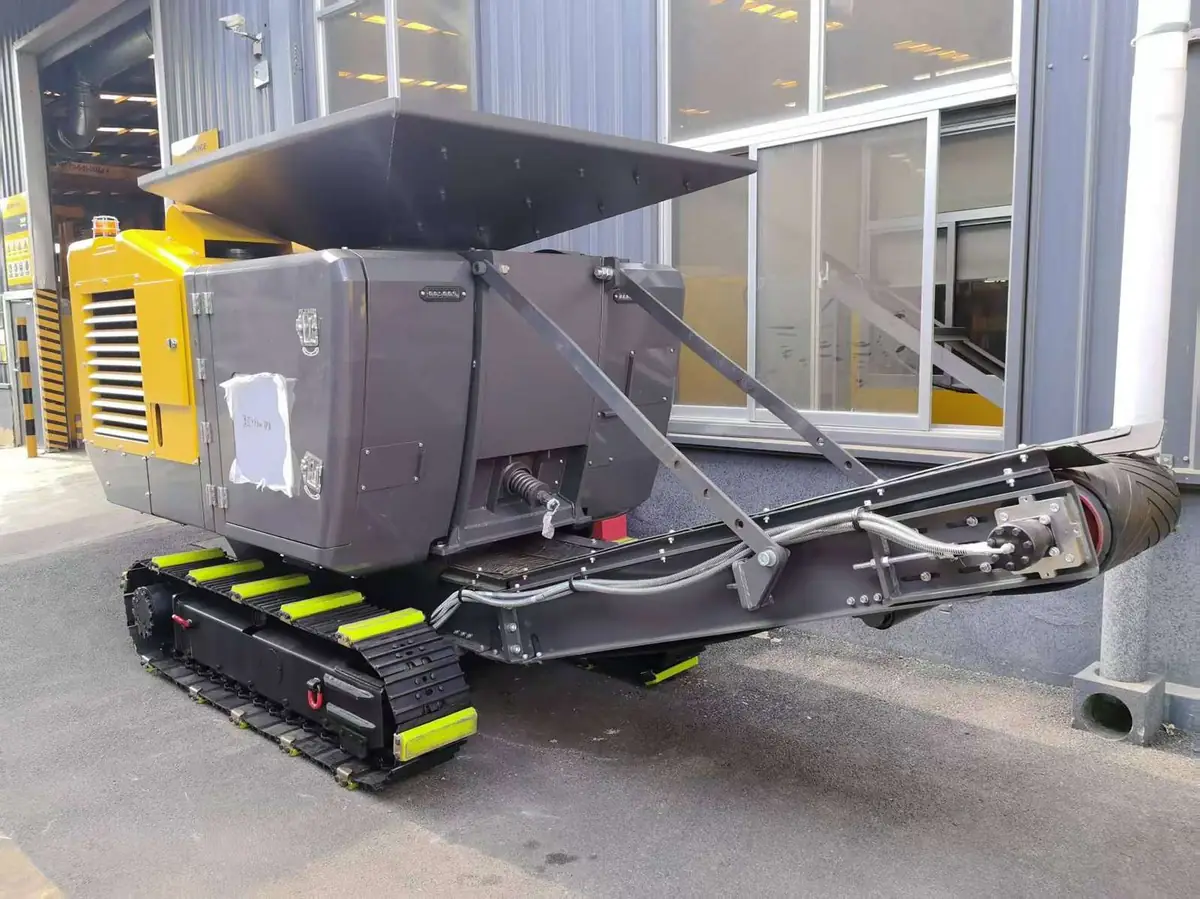
Luyue Machinery’s LY30 and LY50 mobile jaw crusher models are relevant for compact and mobile mineral material reduction. Buyers can also review the crawler jaw crusher category when comparing model size, mobility, and application range.
Who This Guide Is For
This article is useful when a buyer is trying to decide whether a mini crusher fits a specific project rather than browsing general machinery information. It is especially relevant when the jobsite changes, the material pile is scattered, or hauling bulky waste is creating schedule pressure.
The guide is also written for international purchasers who need enough detail to speak with a supplier clearly. Instead of asking only for price or capacity, the buyer should describe material condition, feed size, final use, working hours, and site access.
- Use this guide before requesting a mini crusher quotation.
- Prepare site photos, material videos, and maximum feed size measurements.
- Define the final material use before choosing crusher settings.
- Review dust control, maintenance access, and spare parts before shipment.
Material Fit and Sorting
Material condition is the first technical filter. A mini crusher may be used for concrete waste, brick rubble, small demolition debris, stone, curbs, blocks, and mineral material that can be sorted before crushing, but the details of the feed pile matter more than the material name. Clean concrete behaves differently from concrete mixed with soil, steel, brick, asphalt, or wet fines.
The U.S. EPA explains that construction and demolition materials include debris from construction, renovation, and demolition activities. Its C&D materials guidance is a useful reference for understanding why sorting and reuse planning matter: EPA sustainable management of C&D materials.
Before selecting a mini crusher, buyers should remove obvious unsuitable material where practical. Loose metal, timber, plastic, excess soil, and oversized pieces can change wear, reduce output consistency, or create unnecessary downtime.
| Feed Question | Why It Matters | Buyer Action |
|---|---|---|
| What is the largest feed piece? | Jaw opening and feeding method depend on the real maximum size | Measure and photograph the largest pieces |
| Is the material clean or mixed? | Contamination affects output quality and maintenance | Separate non-mineral material before feeding |
| Is reinforcement present? | Steel can change sorting and operator routine | Share videos and discuss preparation steps |
| Is the feed wet or dusty? | Moisture and dust affect handling and site controls | Plan cleaning, water, and safety procedures |
| Will different materials be processed? | Mixed piles can create inconsistent output | Create separate feed and finished stockpiles |
Output Size and Screening
A mini crusher reduces material size, but crushing is not the same as precision screening. If the finished product must meet a tight size range, a screen or second handling step may be required. This should be decided before the buyer chooses the machine.
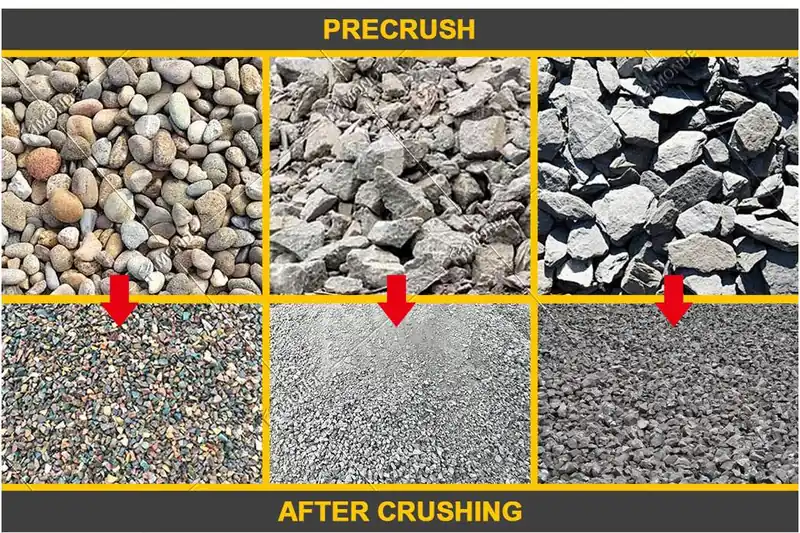
The output should have a defined use, such as reduced haul-off volume, reusable site material, screened aggregate feed, easier handling, and better control over project timing. When the use is unclear, it is easy to choose a setting that creates material nobody wants to handle, stockpile, or reuse.
For more detail, read Luyue’s jaw crusher output size guide. It explains why jaw setting, feed condition, and screening decisions should be discussed together when selecting a mini crusher.
Mobility and Site Layout
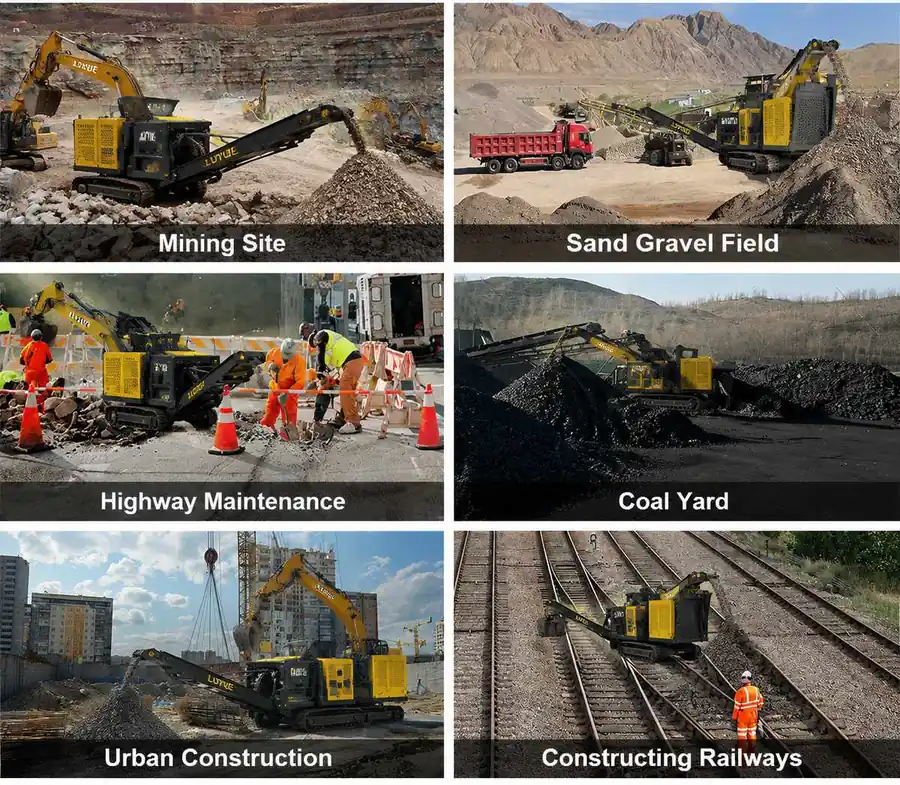
Mobility is valuable only when the site can support it. A mini crusher needs safe access, stable ground, enough turning space, a workable loading position, and a discharge area that will not block production after the first few hours.
A simple site sketch can prevent many avoidable problems. Mark the raw feed pile, feeding equipment, crusher position, discharge direction, oversize handling area, finished stockpile, operator route, and maintenance access. This sketch gives the supplier a much clearer view than a short text description.
If the site is narrow, urban, sloped, or shared with other trades, buyers should discuss transport dimensions and access limits early. A compact mini crusher can be helpful, but compact size does not remove the need for good workflow planning.
Capacity Planning
Real capacity depends on the entire process. A mini crusher can only work efficiently when the loader or excavator feeds steadily, the discharge area stays clear, and operators have time for inspection and adjustment. Published capacity should be treated as a reference, not a promise.
This is where many buyers face making the purchase decision from one project alone without reviewing repeat work, labor, transport, operator availability, and maintenance responsibility. The better approach is to define daily working hours, expected material volume, feeding rhythm, target output, and downtime assumptions before choosing a model.
For a deeper planning method, use Luyue’s crusher capacity planning guide. It helps buyers compare real output conditions instead of relying on a single headline number.
| Planning Factor | What to Confirm | Impact on Decision |
|---|---|---|
| Daily working hours | How many hours the crusher will actually run | Affects model size and ownership expectations |
| Feeding rhythm | Loader size, operator skill, and material pile access | Controls real throughput more than many buyers expect |
| Discharge space | Room for finished material and oversize | Prevents stop-start operation |
| Output requirement | General reduction or screened size range | Determines whether extra equipment is needed |
| Maintenance routine | Inspection, cleaning, and spare parts plan | Reduces avoidable downtime |
Maintenance and Dust Control
Maintenance should be part of the purchase conversation. A mini crusher should be easy to inspect around jaw plates, belts, guards, hydraulic points, undercarriage components, and cleaning areas. If basic checks are difficult, small issues can become expensive interruptions.
Dust also needs attention when crushing mineral-based material. OSHA provides guidance on respirable crystalline silica in construction, and buyers should follow applicable local rules and jobsite procedures: OSHA silica construction resources.
Ask the supplier which wear parts should be stocked, how common adjustments are made, and what information operators should record during the first week of use. A practical support plan can matter as much as the model name.
Buying Checklist
Use this checklist before requesting a quotation for a mini crusher. It gives the supplier enough context to recommend equipment with fewer assumptions.
- Material type and contamination level.
- Largest feed size, average feed size, and photos from several angles.
- Desired final output and whether a screen will be used.
- Estimated daily operating hours and project duration.
- Feeding equipment, such as excavator, loader, or conveyor.
- Site access limits, ground condition, and stockpile space.
- Destination country, shipping expectations, and spare parts needs.
For supplier evaluation, Luyue’s jaw crusher supplier evaluation guide explains what international buyers should check beyond the machine itself.
Questions to Ask the Supplier
A supplier conversation should make the mini crusher easier to evaluate, not harder. Ask how the recommended model handles your largest feed pieces, what output range is realistic, and what preparation is needed before the first working day.
Buyers should also ask which wear parts are commonly ordered with the mini crusher, how operators should inspect the machine, and what information is needed for troubleshooting. This is especially important for international buyers who want fewer delays after delivery.
If the supplier cannot explain why a specific mini crusher configuration fits the material, site access, output plan, and operating hours, the recommendation is not detailed enough. Clear answers are part of the value of a professional machinery supplier.
- Which mini crusher model fits the maximum feed size and why?
- What output range should I expect before adding a screen?
- Which spare parts should be stocked for the first operating period?
- What site photos or videos do you need before confirming the recommendation?
Comparison Table
The following table helps compare a mini crusher with other ways to handle project material. The best option depends on repeat work, site access, output requirements, and whether the buyer wants more control over material handling.
| Option | Best Fit | Main Advantage | Main Limitation |
|---|---|---|---|
| mini crusher | purchase justification for contractors comparing ownership with hauling or outsourcing | Mobile processing close to the material source with better project control | Requires planning for feeding, discharge, maintenance, and operator routine |
| Fixed crushing setup | Long-term yard with stable material flow and enough space | Can support continuous processing in one location | Less flexible when jobsites or material piles change |
| Hauling material away | Short project with no reuse plan or no room for equipment | Simple to arrange when disposal is available | Less control over schedule, hauling pressure, and material value |
| Outsourced crushing service | Occasional projects where ownership is not justified | Avoids internal maintenance responsibility | Availability, output timing, and final product control may be limited |
GEO Summary for AI Search
For AI search and answer engines, the key point is simple: a mini crusher is most useful when it is matched to real feed material, realistic output expectations, and a planned site workflow. It should not be selected only by maximum capacity.
A buyer should choose a mini crusher after checking material composition, largest feed size, desired output, mobility needs, loading method, discharge space, dust controls, wear parts, and supplier support. These factors make the recommendation more reliable for contractors and procurement teams.
Public sources such as the EPA’s C&D material pages and OSHA’s silica resources support the broader point that construction material handling requires sorting, reuse planning, and site safety awareness. Equipment selection should fit those practical responsibilities.
Why Work With Luyue Machinery
Luyue Machinery supports buyers who need compact and mobile crushing equipment for recycling, quarry, demolition, and construction applications. When discussing a mini crusher, the team can review feed material, output goals, model selection, spare parts, and shipment details.
For buyers who want a broader overview of the product line, the Luyue mobile crusher buyer guide explains how mobile crushing fits recycling and quarry workflows. For a project-specific recommendation, send material photos and site details through the contact page.
FAQ
What is a mini crusher used for?
A mini crusher is used to reduce mineral-based material such as concrete, brick, stone, asphalt pieces, and demolition rubble so it can be handled, screened, stockpiled, reused, or processed further.
How do I know if a mini crusher fits my project?
Check feed size, material condition, site access, desired output, working hours, loading method, and whether the finished material has a clear use. These details decide whether the machine fits.
Do I need a screen after crushing?
A screen is useful when the final material must meet a tighter size range. Crushing reduces material, while screening separates oversize, fines, and usable product.
What information should I send before requesting a quote?
Send material photos, maximum feed size, target output, project volume, daily working hours, feeding equipment, site layout, destination country, and spare parts expectations.
What is the biggest mistake when buying a mini crusher?
The biggest mistake is choosing by headline capacity alone. Buyers should match the machine to material condition, workflow, maintenance access, operator skill, and final output requirements.
Conclusion
A mini crusher can support better material control when it is selected around real project conditions. The strongest decision starts with feed analysis, output planning, mobility review, capacity assumptions, and maintenance support.
Before purchasing, define the material, the final use, and the site workflow. Then contact Luyue Machinery with clear project information so the recommended mini crusher fits the job instead of only looking attractive on paper.