
Table of Contents
Introduction
A Luyue Mobile Crusher is usually searched by buyers who already know the Luyue name and now need a practical way to compare mobile crushing equipment for real projects. That search intent is more specific than a general query for a mobile crusher. The buyer is often checking whether Luyue equipment can fit a recycling yard, demolition site, quarry operation, rental fleet, or construction aggregate workflow.
This guide explains how to evaluate a Luyue Mobile Crusher from the viewpoint of procurement, site operation, and long-term usability. It focuses on feed material, output size, mobility, capacity planning, maintenance access, spare parts, and supplier communication. The goal is to help buyers ask better questions before requesting a quotation.
Luyue’s LY30 and LY50 tracked mobile jaw crusher models are designed for mineral material reduction in compact and mobile applications. A Luyue Mobile Crusher should be selected according to the actual material and site conditions, not only according to the largest number shown in a brochure.
- Use a Luyue Mobile Crusher when material needs to be reduced close to the source.
- Define feed size, contamination, and final output before model selection.
- Plan loader access, discharge space, screening, and stockpiles as one workflow.
- Confirm spare parts and operating support before shipment.
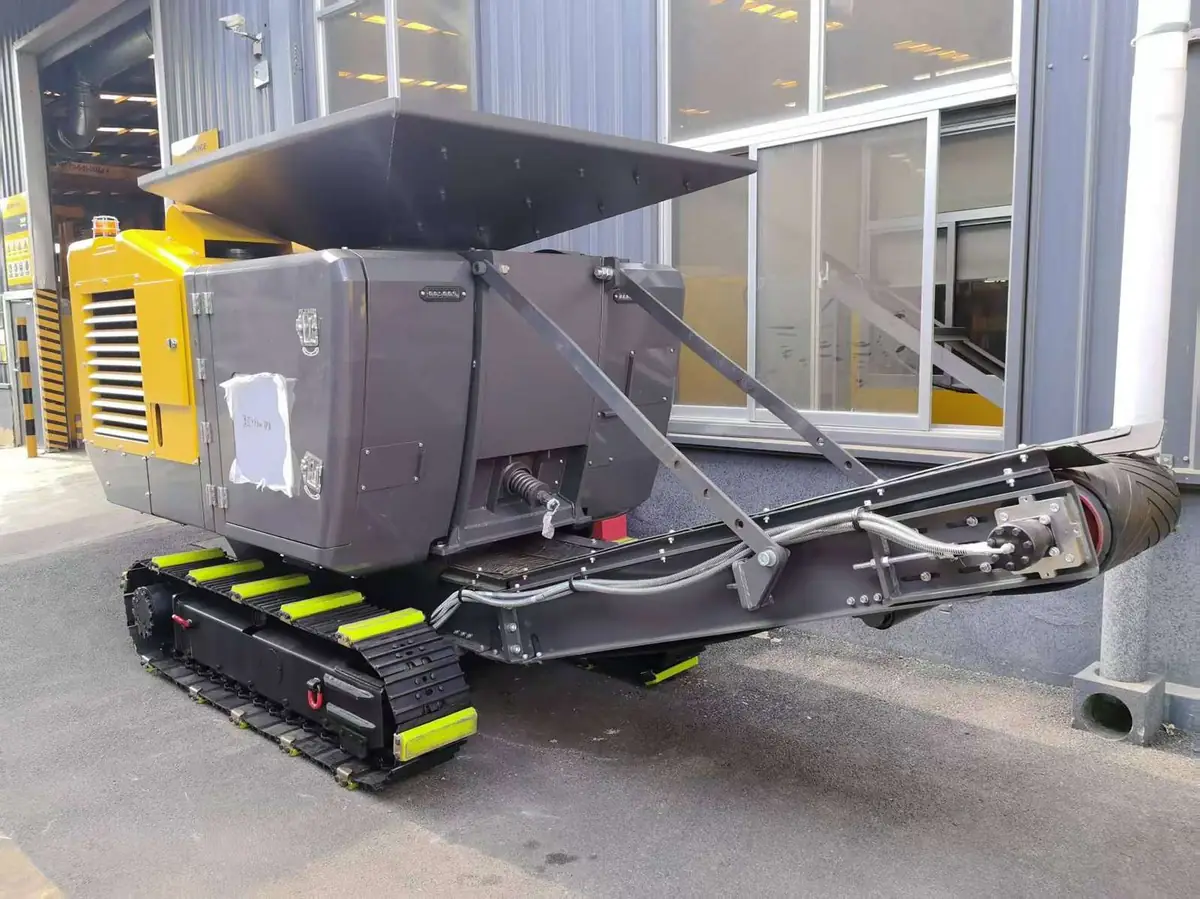
What Makes This Search Intent Different
Someone searching for Luyue Mobile Crusher is not only learning what a crusher is. They are likely comparing supplier reliability, product fit, and project suitability. The content they need should answer practical buying questions rather than repeat generic equipment descriptions.
A good answer should explain what the machine can do, where it should be used, and which site details may change the recommendation. It should also show how the buyer can prepare information for a supplier conversation. That is why this article treats the Luyue Mobile Crusher as part of a complete material handling process.
For general background on crushing equipment types, buyers can review this neutral crusher reference. For project planning, however, the more important step is to describe the material pile, output target, and jobsite access accurately.
Where a Luyue Mobile Crusher Fits Best
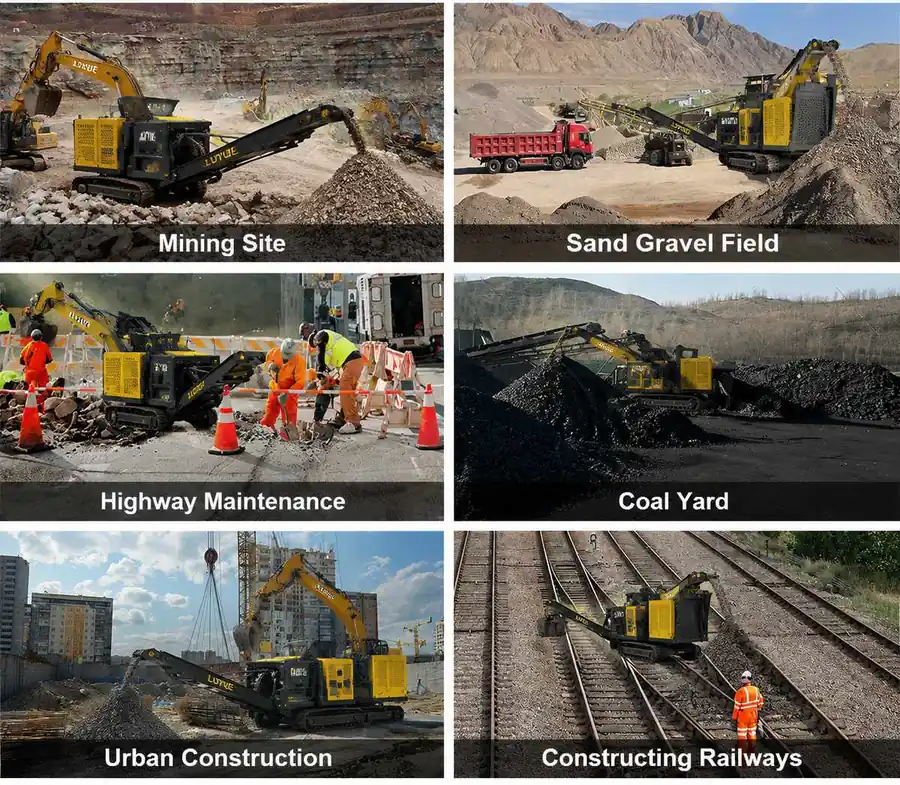
A Luyue Mobile Crusher is a strong fit when contractors or material yards need mobile primary crushing for concrete, brick, stone, limestone, asphalt pieces, demolition rubble, or mixed mineral-based waste. It can help reduce bulky material into a more manageable size for screening, stockpiling, reuse, or further processing.
The key advantage of a mobile setup is flexibility. Instead of hauling every piece of raw material to a fixed plant, the machine can be positioned closer to the source. This can simplify site logistics, especially when projects move from one pile or location to another.
A Luyue Mobile Crusher is especially relevant for buyers who handle changing jobsites. Demolition contractors, small quarry operators, road contractors, and machinery dealers often need equipment that can move, feed, crush, and discharge without requiring a full fixed production line.
| Application | Buyer Goal | Important Check |
|---|---|---|
| Construction waste recycling | Reduce concrete, brick, and masonry waste for handling or reuse | Check feed size, metal contamination, and sorting plan |
| Small quarry work | Prepare stone feed for screening or secondary use | Confirm stone hardness, loader match, and discharge space |
| Road construction support | Produce manageable aggregate feed near the project | Define output size and whether screening is required |
| Rental fleet use | Serve customers with different materials and sites | Prioritize operator usability and service access |
| Material yard processing | Control multiple stockpiles and reduce bulky material | Separate raw feed, oversize, and finished product |
How to Match the Machine to Feed Material
Feed material is the first selection point for any Luyue Mobile Crusher. Two buyers may both say they need to crush construction waste, but one pile may be clean concrete while another includes brick, soil, metal, old asphalt, and oversized slabs. Those differences change the practical recommendation.
Before asking for a quote, buyers should prepare photos and videos of the raw pile. Show the largest pieces, the average material size, and any contamination. If the material includes reinforcement, loose steel, timber, soil, or wet fines, that information should be shared clearly.
A Luyue Mobile Crusher can perform better when the site uses basic pre-sorting. Removing unsuitable material before feeding protects the machine, improves output consistency, and reduces downtime. Pre-sorting does not need to be complicated, but it should be planned before daily operation begins.
- Measure the largest expected feed piece, not only the average size.
- Separate loose metal, timber, plastic, and excessive soil where practical.
- Tell the supplier whether the material is dry, wet, sticky, dusty, or mixed.
- Confirm whether the feed will be loaded by excavator, wheel loader, or conveyor.
- Plan a first test pile so operators can adjust feeding rhythm and jaw setting.
Output Size and Screening Decisions
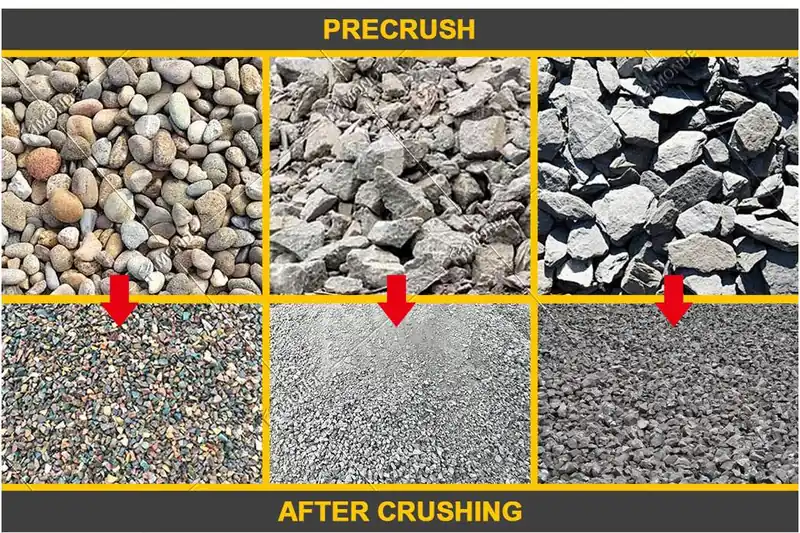
A Luyue Mobile Crusher reduces feed material, but crushing alone does not create a perfectly graded final product. If the finished material must meet a narrow size range, a screen or secondary process may be needed. This is a common point that buyers should clarify early.
The buyer should define what the output will be used for. Material intended for internal backfill may have different requirements from material intended for road base, resale, or further aggregate production. The same crusher setting may not satisfy every use case.
For more detail, Luyue’s jaw crusher output size guide explains why feed condition, jaw setting, and screening decisions are linked. A Luyue Mobile Crusher should be discussed together with the final material target rather than as an isolated machine.
| Output Question | Why It Matters |
|---|---|
| What final size range is acceptable? | Prevents unrealistic expectations from a single crusher setting |
| Is oversize allowed in the finished pile? | Determines whether re-crushing or screening is needed |
| Will fines be useful or unwanted? | Affects material value and stockpile management |
| Will output be reused on site or sold? | Changes the level of consistency required |
| Is another crusher or screen already available? | Helps integrate the mobile crusher into the existing workflow |
Mobility Transport and Site Access
A Luyue Mobile Crusher should fit the physical site, not just the production target. Buyers need to check transport route, entrance width, ground condition, working slope, loading position, turning space, and finished material stockpile location.
Tracked mobility is valuable when a project has several material piles or when the machine must move between jobsites. It is less useful if the site cannot provide safe access, stable working ground, and enough clearance for feeding and maintenance.
Before choosing a Luyue Mobile Crusher, prepare a simple site layout. Mark the raw feed pile, operator position, loader route, crusher location, discharge direction, oversize pile, and finished material pile. This small planning step often reveals access problems before equipment arrives.
Capacity Planning Without Guesswork
Capacity planning is where many crusher purchases become confusing. A Luyue Mobile Crusher should be evaluated by real operating conditions, including feed size, material hardness, moisture, loading rhythm, operator skill, discharge clearance, and downtime for checks.
Brochure capacity can be useful as a reference, but it should not be treated as a guaranteed daily output. A smaller machine with stable feeding and good layout may outperform a larger machine placed in a poor workflow. Real output depends on the full system.
Buyers can review Luyue’s crusher capacity planning guide before comparing models. When discussing a Luyue Mobile Crusher, send the supplier daily working hours, target tons or cubic meters, material photos, and expected output size.
- Estimate daily working hours separately from total jobsite hours.
- Check whether feeding equipment can keep a steady rhythm.
- Leave space for discharge and stockpile growth during operation.
- Plan cleaning and inspection time instead of assuming nonstop crushing.
- Compare model fit by project reality, not only by maximum capacity.
Maintenance Wear Parts and Operator Checks
Maintenance access is an important part of selecting a Luyue Mobile Crusher. Operators should be able to inspect jaw plates, belts, guards, hydraulic points, undercarriage components, and cleaning areas without unnecessary difficulty. Simple checks help prevent avoidable downtime.
Wear parts depend on material condition and operating hours. Hard stone, mixed demolition waste, and abrasive feed can require different planning from cleaner, softer material. Buyers should ask which spare parts are recommended for the first operating period.
Dust should also be treated seriously when crushing mineral materials. Buyers should follow local rules and jobsite procedures. OSHA provides general information on respirable crystalline silica, which may be relevant for some crushing operations.
Buying Checklist for International Customers
International buyers evaluating a Luyue Mobile Crusher should prepare clear project information before requesting a quotation. This saves time and helps the supplier recommend a suitable model, configuration, and shipping plan.
| Information to Send | Why It Helps |
|---|---|
| Material photos and videos | Shows real feed condition and contamination level |
| Maximum feed size | Confirms whether the jaw opening and pre-sorting plan are suitable |
| Desired output size | Connects crusher setting with screening requirements |
| Working hours and expected volume | Supports practical capacity discussion |
| Feeding method | Matches crusher use with loader or excavator size |
| Site access details | Checks transport, movement, and setup constraints |
| Destination country and port | Supports shipping and delivery discussion |
For broader supplier evaluation, see Luyue’s jaw crusher supplier evaluation guide. A Luyue Mobile Crusher purchase should include machine fit, documentation, spare parts, and communication quality.
Comparison Table
The table below helps buyers compare a Luyue Mobile Crusher with a general fixed crushing setup and a basic outsourcing approach. The right choice depends on project duration, material volume, mobility needs, and available site space.
| Option | Best Fit | Main Advantage | Main Limitation |
|---|---|---|---|
| Luyue Mobile Crusher | Mobile recycling, quarry support, demolition, road projects | Moves closer to the material and supports flexible jobsites | Still requires planned feeding, discharge, and maintenance access |
| Fixed crushing plant | Long-term yard with stable material flow | Can suit continuous production with enough space | Less flexible for changing jobsites or scattered piles |
| Outsourced crushing service | Short project with no equipment ownership plan | Avoids machine purchase and operator planning | Less control over schedule, output, and long-term availability |
Why Choose Luyue Machinery
Luyue Machinery focuses on compact and mobile equipment for construction, recycling, quarry, and material handling customers. When evaluating a Luyue Mobile Crusher, buyers can discuss project material, target output, site access, model selection, spare parts, and shipping details with the team.
The crawler jaw crusher category and related product pages provide a starting point, but the best recommendation comes from real project information. Photos, feed size, output goals, and site layout help narrow the model choice.
To request a practical recommendation for a Luyue Mobile Crusher, contact Luyue with your material details, project location, operating plan, and desired output. A clear inquiry helps avoid oversizing, undersizing, and unrealistic output expectations.
FAQ
What is a Luyue Mobile Crusher used for?
A Luyue Mobile Crusher is used for mobile crushing of mineral materials such as concrete, brick, stone, limestone, asphalt pieces, and demolition rubble in recycling, quarry, and construction projects.
How do I choose the right Luyue Mobile Crusher model?
Choose the model by feed size, material condition, desired output, working hours, mobility needs, feeding method, site access, and spare parts plan.
Can a Luyue Mobile Crusher produce final aggregate directly?
It can reduce material, but final aggregate quality may require screening or further processing depending on the required size range and material use.
What information should I send before requesting a quote?
Send material photos, maximum feed size, target output size, daily working hours, site layout, feeding equipment, destination country, and whether a screen will be used.
Is a Luyue Mobile Crusher suitable for small contractors?
It can be suitable when the contractor needs mobile crushing, compact access, and flexible use across projects. The final recommendation depends on material volume, site access, and output needs.
Conclusion
A Luyue Mobile Crusher should be selected as part of a complete site workflow. Buyers need to connect raw feed, pre-sorting, jaw crushing, screening, stockpiling, maintenance, and supplier support before making a decision.
For recycling yards, demolition contractors, quarry operators, road contractors, and equipment dealers, the strongest purchase decision starts with clear project details. Contact Luyue Machinery to discuss whether a Luyue Mobile Crusher fits your material, output goal, and operating plan.