
tabla de contenido
comienzo
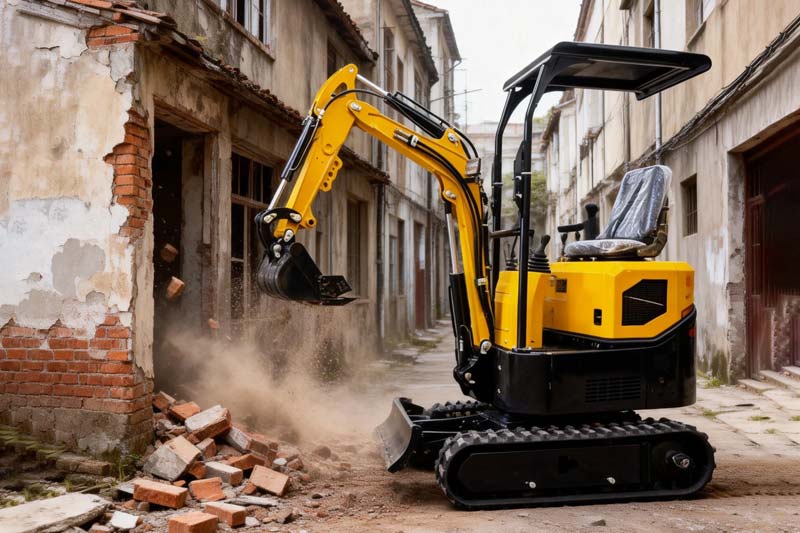
A Excavadora con orugas Ya no se limita a pequeños trabajos de excavación o trabajos de zanjas residenciales. En la construcción moderna, el paisajismo, la agricultura y el mantenimiento municipal, las excavadoras compactas se han convertido en máquinas esenciales para proyectos donde la maniobrabilidad, la excavación controlada y la flexibilidad operativa son más importantes que el tamaño máximo de la máquina.
En comparación con las excavadoras más grandes, las mini excavadoras de orugas están diseñadas para funcionar de manera eficiente en entornos restringidos mientras mantienen un rendimiento de excavación estable en terrenos irregulares. Su espacio compacto, su precisión hidráulica y su compatibilidad con los accesorios hacen que sean adecuados para una amplia gama de aplicaciones profesionales.
Para los contratistas y compradores de equipos, es fundamental comprender dónde funcionan mejor las excavadoras compactas al seleccionar equipos para las condiciones reales del lugar de trabajo.
Por qué las mini excavadoras de orugas funcionan bien en sitios de trabajo compactos
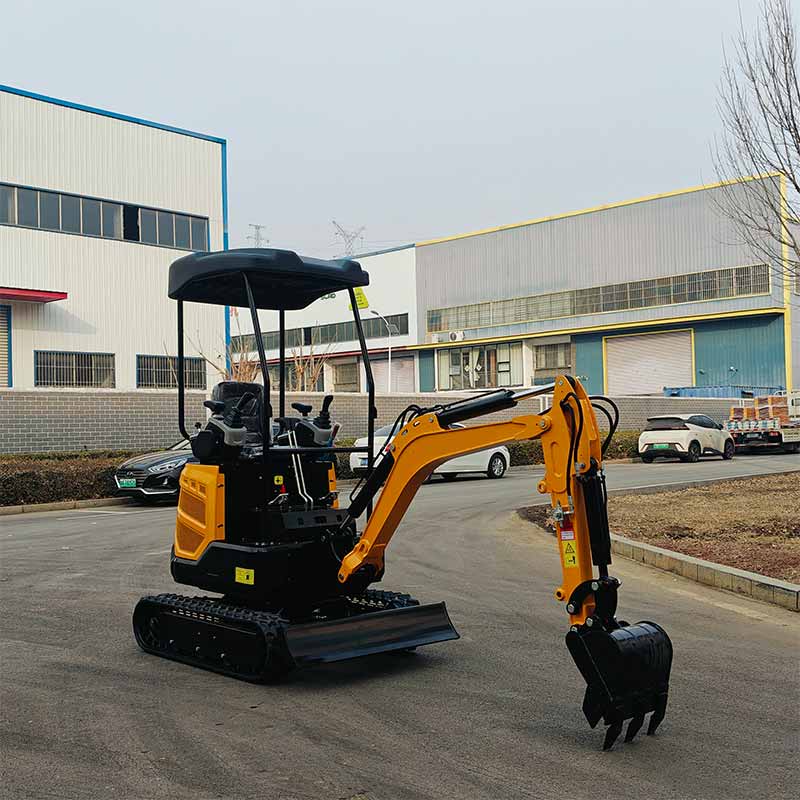
Los proyectos modernos a menudo involucran espacios operativos limitados, estructuras cercanas, servicios públicos subterráneos y estrictos requisitos de protección de superficies.
En este tipo de sitios, los equipos de gran tamaño pueden reducir la eficiencia en lugar de mejorarla. Las excavadoras grandes pueden proporcionar más fuerza de ruptura, pero también requieren una mayor distancia de operación, un acceso más amplio al transporte y más espacio de reposicionamiento durante la excavación.
Las mini excavadoras de orugas resuelven estos problemas combinando dimensiones compactas con un preciso control hidráulico.
Su radio de operación más pequeño permite a los contratistas trabajar de manera más eficiente en:
| Entorno del sitio de trabajo | Por qué las excavadoras compactas funcionan bien |
|---|---|
| construcción residencial | Acceso limitado y espacio de maniobra restringido |
| Proyectos de servicios públicos urbanos | Reducción de la interrupción en torno a la infraestructura |
| Proyectos de paisajismo | Mejor protección y precisión de la superficie |
| manutención agrícola | Movimiento más fácil alrededor de estructuras y caminos de acceso estrechos |
| Reparación Municipal | Operación eficiente cerca del tráfico y peatones |
En lugar de centrarse solo en el tamaño de la máquina, los contratistas priorizan cada vez más la eficiencia operativa en entornos confinados.
Cómo mejoran los sistemas de vías la estabilidad y el rendimiento de la superficie
Una de las mayores ventajas de una mini excavadora de orugas es el diseño del tren de rodaje.
En comparación con el equipo con ruedas, las pistas distribuyen el peso de la máquina de manera más uniforme en la superficie del suelo. Esto mejora la tracción mientras reduce la presión del suelo.
En aplicaciones prácticas, esto crea varios beneficios operativos:
- Estabilidad mejorada durante la excavación
- Mejor rendimiento en terrenos embarrados o desiguales
- Reducción del riesgo de hundimiento en condiciones de suelo blando
- Menor perturbación superficial en paisajes terminados
Esto es particularmente importante en proyectos de paisajismo, trabajo agrícola y servicios públicos en los que la protección de la superficie circundante suele ser tan importante como completar la excavación en sí.
Las excavadoras con orugas también mantienen una tracción más consistente en pendientes y terrenos inestables, lo que permite a los operadores trabajar con mayor control en condiciones difíciles.
Aplicaciones de construcción residencial para mini excavadoras de orugas
La construcción residencial sigue siendo una de las áreas de aplicación más comunes para las mini excavadoras de orugas.
Muchos proyectos residenciales involucran puntos de acceso estrechos, espacios despejados limitados y estructuras cercanas que requieren excavación controlada.
Las excavadoras compactas se utilizan comúnmente para:
- Preparación de la Fundación
- zanjamiento de servicios públicos
- Instalación de drenaje
- Excavación en el patio trasero
- Preparación del muro de contención
En estos entornos, el control de la máquina y la maniobrabilidad suelen ser más valiosos que la fuerza de excavación en bruto.
Las configuraciones de excavadoras oscilantes de cola corta son especialmente útiles en los sitios residenciales porque permiten que la máquina gire de manera eficiente sin un voladizo trasero excesivo.
Esto mejora la seguridad y reduce el riesgo de contacto accidental con estructuras o cercas cercanas.
Instalación de zanjas y drenaje de servicios públicos
La instalación de servicios públicos requiere una profundidad de zanja precisa, una alineación consistente y un ancho de excavación controlado.
Las mini excavadoras de orugas se utilizan ampliamente para el trabajo de servicios públicos porque brindan una mejor precisión de excavación en comparación con el equipo de movimiento de tierra más grande.
Las aplicaciones de utilidad típica incluyen:
| Aplicación de servicios públicos | Requisito de excavación |
|---|---|
| Instalación de la línea de agua | Profundidad de zanja consistente |
| Trabajo de conducto eléctrico | Control de zanja estrecha |
| Sistemas de drenaje | Grado de pendiente controlado |
| Instalación de fibra óptica | Disrupción superficial reducida |
Cuando se equipan de zanjas, las excavadoras compactas pueden mejorar la precisión de las zanjas y reducir el volumen de excavación innecesario.
Esto ayuda a los contratistas a reducir los requisitos de relleno y mejorar la eficiencia general del proyecto.
Proyectos de paisajismo que requieren excavación de precisión
Los proyectos de paisajismo requieren más que poder de excavación. Requieren control de la máquina, protección de superficie y flexibilidad.
Las mini excavadoras de orugas son muy eficaces en el paisajismo porque pueden operar de manera eficiente alrededor de:
- Céspedes terminados
- caminos
- muros de contención
- Sistemas de riego
- Espacios comerciales al aire libre
En muchos entornos de paisajismo, los operadores deben excavar alrededor de las estructuras y la vegetación existentes sin dañar las superficies circundantes.
La estructura compacta de una mini excavadora permite un movimiento más controlado en entornos exteriores confinados.
Esto es particularmente útil para proyectos que involucran:
- Excavación de estanque
- Remodelación del terreno
- Corrección de drenaje
- Preparación de plantación de árboles
- Trabajo de base de paisaje duro
La capacidad de respuesta hidráulica se vuelve especialmente importante durante el trabajo de paisajismo porque la precisión a menudo importa más que la velocidad de excavación.
Aplicaciones de mantenimiento agrícola y rural
Las operaciones agrícolas requieren con frecuencia equipos compactos capaces de adaptarse a terrenos cambiantes y condiciones de trabajo estacionales.
Las excavadoras de orugas mini se utilizan comúnmente para:
- zanja de riego
- Mantenimiento de la zan
- Preparación de la línea de la cerca
- Instalación de alcantarillas
- Limpieza de terrenos a pequeña escala
En comparación con el equipo de construcción más grande, las excavadoras compactas pueden moverse de manera más eficiente alrededor de los graneros, las estructuras de almacenamiento y las carreteras de acceso a las granjas estrechas.
Los trenes de rodaje de seguimiento también mejoran la estabilidad en ambientes embarrados o recientemente irrigados donde las máquinas con ruedas pueden tener dificultades para mantener la tracción.
Para las propiedades agrícolas de uso mixto, las excavadoras compactas brindan flexibilidad práctica sin requerir un transporte excesivo o espacio operativo.
Infraestructura municipal y mantenimiento en carretera
Los proyectos de reparación municipales suelen tener lugar en áreas públicas activas donde las restricciones de espacio y las consideraciones de seguridad afectan la selección de equipos.
Las excavadoras de orugas mini se utilizan con frecuencia para:
- Reparación de drenaje en carretera
- Excavación en la acera
- Acceso subterráneo de servicios público
- Mantenimiento de aceras y pavimentos
- Mejoras de infraestructura urbana
Su espacio operativo compacto permite a los equipos trabajar de manera eficiente cerca de carriles de tráfico, pasarelas peatonales e infraestructura existente.
Debido a que estos proyectos a menudo involucran servicios públicos subterráneos y zonas de excavación confinadas, el control hidráulico preciso es esencial para minimizar la interrupción de la superficie innecesaria.
Demolición de luz con accesorios hidráulicos
Aunque las excavadoras compactas son más pequeñas que las máquinas de demolición de tamaño completo, todavía se usan ampliamente para aplicaciones de demolición controlada.
Cuando están equipados con interruptores hidráulicos o garras, las mini excavadoras de orugas pueden soportar:
- Eliminación de hormigón
- rotura de pavimento
- Demolición de estructura pequeña
- Manejo de escombros
- Operaciones de limpieza del sitio
Para el trabajo de demolición dentro de entornos confinados, las excavadoras compactas a menudo proporcionan una mejor accesibilidad y control de posicionamiento que los equipos más grandes.
Esto los hace particularmente útiles para proyectos de renovación y entornos de demolición urbana donde el espacio operativo es limitado.
Coincidencia de accesorios de excavadora con diferentes aplicaciones
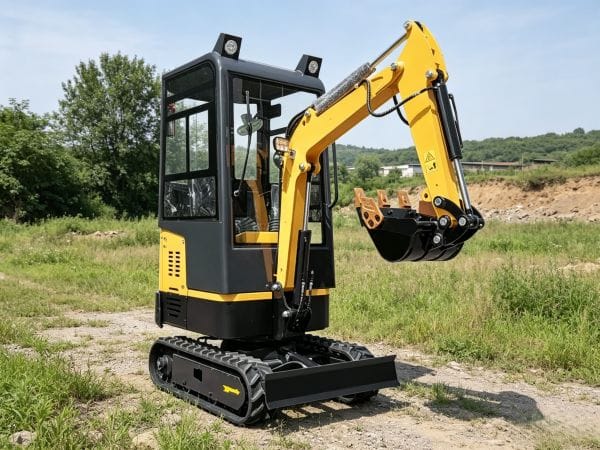
La compatibilidad de apego es uno de los factores más importantes que afectan la versatilidad de las excavadoras compactas.
Diferentes accesorios permiten que la máquina se adapte a diferentes requisitos operativos sin cambiar las plataformas de equipos.
| acoplamiento | Mejor aplicación |
|---|---|
| Cubo estándar | Excavación general |
| Cubo de zanja | Instalación de utilidad |
| interruptor hidráulico | Demolición concreta |
| barrena | Perforación y poste de instalación |
| aferrar | Residuos y manipulación de materiales |
| balda de clasificación | Acabado y nivelación de superficies |
La selección del accesorio correcto mejora la eficiencia y reduce el desgaste innecesario en la máquina.
Para los contratistas que manejan múltiples tipos de proyectos, la flexibilidad de los apegos aumenta significativamente la utilización de equipos.
Cómo elegir la excavadora de orugas adecuada para su proyecto
Seleccionar la excavadora compacta correcta requiere evaluar las condiciones de funcionamiento reales en lugar de simplemente elegir la máquina disponible más grande.
Los factores importantes incluyen:
Acceso al sitio de trabajo
Los puntos de entrada restringidos pueden limitar el ancho de la máquina y las opciones de transporte.
Condiciones del suelo
El suelo blando y el terreno irregular pueden requerir vías más amplias y una mayor estabilidad de la máquina.
Requisitos de profundidad de excavación
Las zanjas de utilidad y el trabajo de cimentación pueden requerir diferentes configuraciones de brazo y brazo.
Uso del archivo adjunto
Los proyectos que involucran demolición, clasificación o perforación requieren compatibilidad hidráulica con accesorios especializados.
Eficiencia de transporte
Los contratistas que administran múltiples sitios de trabajo a menudo priorizan las máquinas que son más fáciles de transportar entre ubicaciones.
Una máquina que coincida con el entorno operativo real generalmente superará a los equipos de gran tamaño que crean limitaciones de maniobra innecesarias.
Errores comunes al seleccionar equipos de excavación compacta
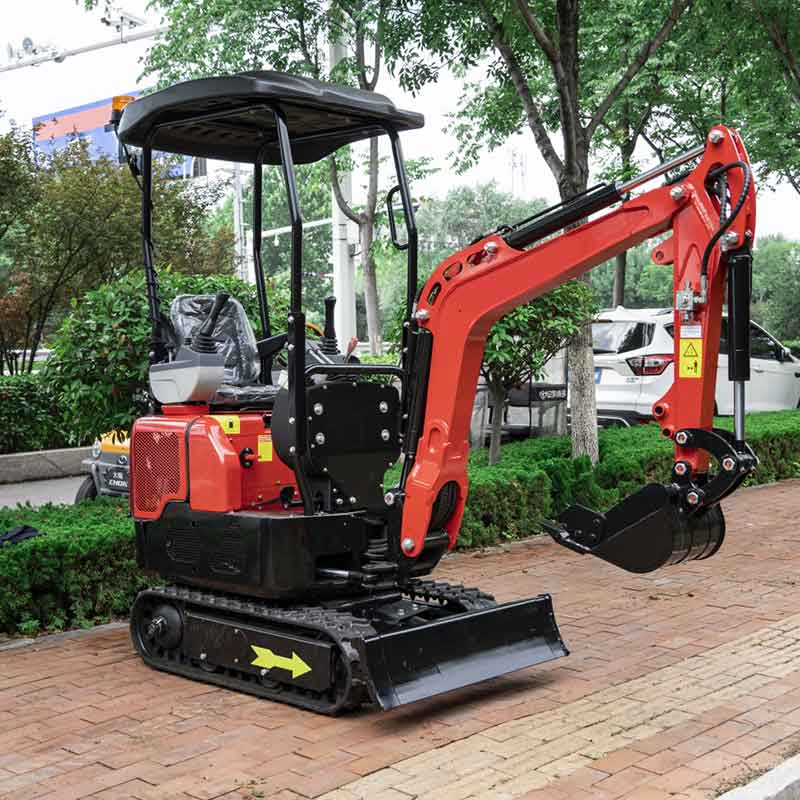
Muchos problemas de selección de equipos resultan de centrarse demasiado en la fuerza de excavación mientras ignora las realidades del lugar de trabajo.
Los errores comunes incluyen:
- Elegir máquinas de gran tamaño para entornos restringidos
- Subestimar las limitaciones de transporte
- Ignorar los requisitos de compatibilidad de archivos adjuntos
- Selección de máquinas sin considerar las condiciones del terreno
- Priorización del tamaño de la máquina sobre la eficiencia operativa
En entornos de construcción compactos, la maniobrabilidad y la precisión hidráulica a menudo proporcionan un mayor valor práctico que la máxima capacidad de excavación.
Cómo encajan las mini excavadoras en la línea de productos de maquinaria Luyue
Maquinaria Luyue Posiciones de mini excavadoras de orugas junto a las minicargadoras de minicargas, cortacéspedes de control remoto y accesorios de excavadora como parte de una línea de equipos compactos diseñado para aplicaciones de construcción, paisajismo, desarrollo agrícola y mantenimiento municipal. (luyuemaquinería.com)
Esta combinación de equipos permite a los contratistas y distribuidores obtener múltiples soluciones de maquinaria compacta para excavación, preparación de superficies, manejo de materiales y mantenimiento del terreno de un solo proveedor.
Para proyectos que involucren condiciones de operación mixtas, la combinación de mini excavadoras de orugas con cargadores de minicargas puede mejorar tanto la eficiencia de excavación como la gestión del flujo de trabajo en el lugar de trabajo.
idea de narración
Las mini excavadoras de orugas se han convertido en máquinas compactas esenciales porque combinan el rendimiento de la excavación controlada, la maniobrabilidad y la flexibilidad operativa en entornos de trabajo restringidos.
Las ventajas clave incluyen:
- Operación eficiente en sitios de trabajo confinados
- Estabilidad mejorada en terrenos irregulares
- Disrupción superficial reducida
- Fuerte compatibilidad de apego
- Adecuación en todas las aplicaciones de construcción, paisajismo, agricultura y municipales
Para los contratistas que trabajan en entornos donde la precisión y el acceso son más que el tamaño de la máquina, las excavadoras compactas siguen siendo una de las soluciones de equipos más prácticas disponibles.
preguntasrán el
¿Para qué se utilizan principalmente las mini excavadoras de orugas?
Las mini excavadoras de orugas se utilizan principalmente para zanjas, instalación de servicios públicos, paisajismo, preparación de cimientos, trabajos de drenaje y excavaciones compactas.
¿Por qué las excavadoras de orugas son mejores en terreno blando?
Las pistas distribuyen el peso de la máquina de manera más uniforme, mejorando la tracción y reduciendo la presión del suelo en terrenos inestables.
¿Son las miniexcavadoras adecuadas para la construcción urbana?
Sí. Su tamaño compacto y su radio de operación controlado los hacen altamente efectivos para entornos de construcción urbanas y residenciales.
¿Qué accesorios se usan comúnmente con las mini excavadoras?
Los accesorios comunes incluyen cubos de zanja, interruptores hidráulicos, sinfín, garras y cubos de clasificación.
¿Cómo eligen los contratistas la excavadora compacta adecuada?
Los contratistas suelen evaluar el acceso al lugar de trabajo, las condiciones del terreno, los requisitos de profundidad de excavación, la compatibilidad de los accesorios y la eficiencia del transporte antes de seleccionar una máquina.