
Inhaltsverzeichnis
Vorstellung
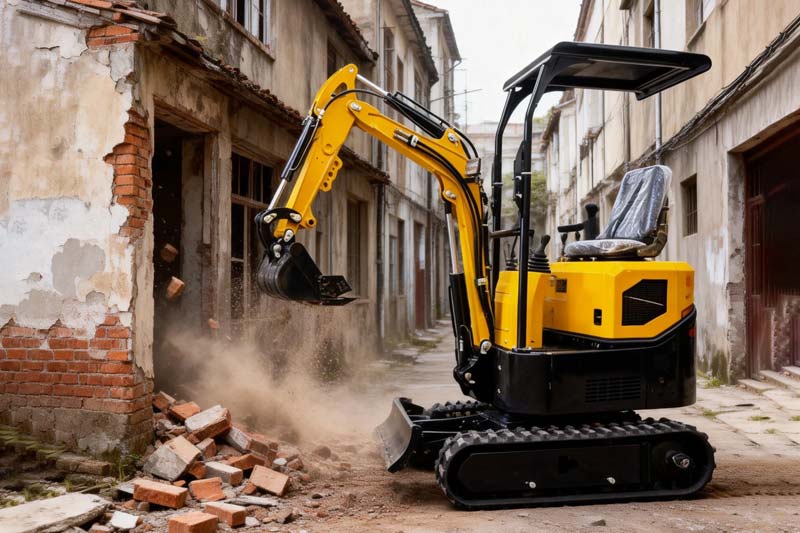
A Mini-Spurbagger ist nicht mehr auf kleine Grabjobs oder Grabenarbeiten beschränkt. Im modernen Bauen, Landschaftsbau, Landwirtschaft und kommunaler Instandhaltung sind Kompaktbagger zu unverzichtbaren Maschinen für Projekte geworden, bei denen Manövrierfähigkeit, kontrollierte Aushub- und Betriebsflexibilität wichtiger sind als die maximale Maschinengröße.
Im Vergleich zu größeren Baggern sind Mini-Kettenbagger so konzipiert, dass sie in eingeschränkten Umgebungen effizient arbeiten und gleichzeitig die Leistung bei unebenem Gelände aufrecht erhalten. Durch ihre kompakte Grundfläche, hydraulische Präzision und Anbaukompatibilität sind sie für eine Vielzahl von professionellen Anwendungen geeignet.
Für Auftragnehmer und Gerätekäufer ist es wichtig, bei der Auswahl von Geräten für die tatsächlichen Baustellenbedingungen zu verstehen, wo kompakte Bagger am besten leistungsfähig sind.
Warum Mini-Spurbagger auf kompakten Baustellen gut abschneiden
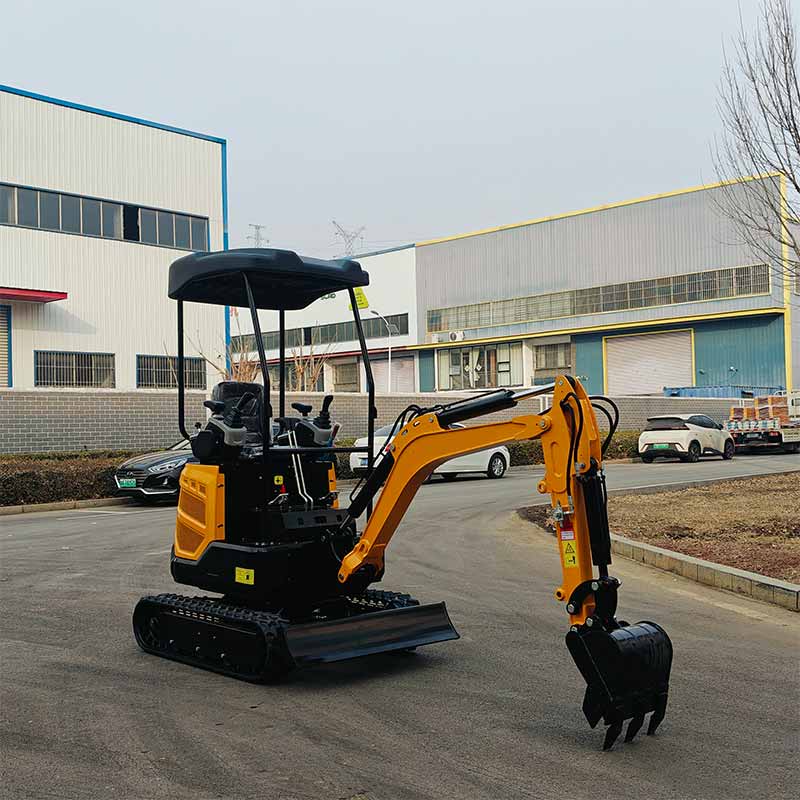
Moderne Projekte beinhalten oft nur begrenzten Betriebsraum, nahe gelegene Strukturen, unterirdische Versorgungsunternehmen und strenge Anforderungen an den Oberflächenschutz.
Auf diesen Arten von Standorten kann übergroße Geräte die Effizienz eher verringern als verbessern. Große Bagger bieten möglicherweise mehr Ausbruchskraft, erfordern jedoch auch einen größeren Betriebsabstand, einen breiteren Transportzugang und einen größeren Neupositionierungsraum während des Ausgrabungsraums.
Mini-Kettenbagger lösen diese Probleme, indem sie kompakte Abmessungen mit präziser hydraulischer Steuerung kombinieren.
Ihr kleinerer Betriebsradius ermöglicht es den Auftragnehmern, effizienter zu arbeiten in:
| Umgebung | Warum kompakte Bagger gut funktionieren |
|---|---|
| Wohnbau | eingeschränkter Zugang und eingeschränkter Manövrierraum |
| Stadtwerke | Reduzierte Störung der Infrastruktur |
| Landschaftsbauprojekte | Besserer Oberflächenschutz und Präzision |
| landwirtschaftliche Instandhaltung | Leichtere Bewegung um Strukturen und schmale Zufahrtsstraßen |
| Kommunale Reparaturarbeiten | Effizienter Betrieb in der Nähe von Verkehr und Fußgängern |
Anstatt sich nur auf die Maschinengröße zu konzentrieren, priorisieren Auftragnehmer zunehmend die betriebliche Effizienz in begrenzten Umgebungen.
Wie Track-Systeme die Stabilität und Oberflächenleistung verbessern
Einer der größten Vorteile eines Mini-Spurbaggers ist das Fahrwerksdesign.
Im Vergleich zu Rädern verteilen die Gleise das Maschinengewicht gleichmäßiger über die Bodenoberfläche. Dies verbessert die Traktion und reduziert den Bodendruck.
In der Praxis ergeben sich dadurch mehrere betriebliche Vorteile:
- Verbesserte Stabilität beim Ausgrabungsgrad
- Bessere Leistung auf schlammigem oder unebenem Gelände
- Geringeres Absackungsrisiko bei weichen Bodenbedingungen
- Untere Oberflächenstörung auf fertigen Landschaften
Dies ist besonders wichtig bei Landschaftsbau, landwirtschaftlichen Arbeiten und Versorgungsprojekten, bei denen der Schutz der umgebenden Oberfläche oft genauso wichtig ist wie die Fertigstellung der Ausgrabung selbst.
Kettenbagger sorgen auch für eine gleichmäßigere Traktion auf Hängen und instabiles Gelände, sodass die Bediener unter schwierigen Standortbedingungen mit besserer Kontrolle arbeiten können.
Wohnbauanwendungen für Mini-Kettenbagger
Der Wohnbau bleibt einer der häufigsten Anwendungsgebiete für Mini-Kettenbagger.
Viele Wohnprojekte beinhalten enge Zugangspunkte, begrenzte Betriebsfreigabe und nahe gelegene Strukturen, die kontrollierte Ausgrabungen erfordern.
Kompaktbagger werden üblicherweise verwendet für:
- Gründungsvorbereitung
- Nutzen
- Entwässerungsanlage
- Ausgrabungen im Hinterhof
- Stützmauervorbereitung
In diesen Umgebungen sind Maschinensteuerung und Manövrierfähigkeit oft wertvoller als Rohgrabkraft.
Die Konfigurationen der Kurzschwanz-Schwenkbagger sind besonders nützlich auf Wohngebieten, da sie die Maschine effizient drehen können, ohne dass ein übermäßiger Rücküberstand übermäßig ist.
Dies verbessert die Sicherheit und verringert das Risiko eines versehentlichen Kontakts mit nahegelegenen Strukturen oder Fechten.
Versorgungs- und Entwässerungsinstallation
Die Installation des Dienstprogramms erfordert eine genaue Grabentiefe, eine konsistente Ausrichtung und eine kontrollierte Aushubbreite.
Mini-Spurbagger werden häufig für die Versorgung von Nutzen verwendet, da sie im Vergleich zu größeren Erdbewegungsgeräten eine bessere Aushubpräzision bieten.
Typische Dienstprogrammanwendungen sind:
| Versorgungsbetrieb | Aushubpflicht |
|---|---|
| Installation der Wasserleitung | Gleichbleibende Grabentiefe |
| elektrische Leitungsarbeit | Schmale Grabensteuerung |
| Entwässerungssysteme | Kontrollierte Neigungsstufen |
| Glasfaserinstallation | Reduzierte Oberflächenstörung |
Kompakte Bagger können bei Ausrüstung mit Grabenschaufeln die Grabengenauigkeit verbessern und gleichzeitig unnötiges Aushubvolumen reduzieren.
Dies hilft Auftragnehmern, die Anforderungen an die Verfüllung zu reduzieren und die Gesamteffizienz des Projekts zu verbessern.
Landschaftsbauprojekte, die Präzisionsaushub erfordern
Landschaftsbauprojekte erfordern mehr als Ausgrabungskraft. Sie erfordern Maschinensteuerung, Oberflächenschutz und Flexibilität.
Mini-Spurbagger sind in der Landschaftsgestaltung sehr effektiv, da sie effizient arbeiten können:
- Fertige Rasen
- Wege
- Stützmauern
- Bewässerungssysteme
- Gewerbe im Freien
In vielen Landschaftsumgebungen müssen die Betreiber um vorhandene Strukturen und Vegetation herumgraben, ohne die umgebenden Oberflächen zu beschädigen.
Die kompakte Struktur eines Minibaggers ermöglicht eine kontrolliertere Bewegung in engen Außenumgebungen.
Dies ist besonders nützlich für Projekte mit:
- Ausgrabungen im Teich
- Geländeumformung
- Entwässerungskorrektur
- Baumpflanzungsvorbereitung
- Hardscape Foundation Arbeit
Hydraulische Reaktionsfähigkeit wird bei der Landschaftsarbeit besonders wichtig, da Präzision oft wichtiger ist als die Ausgrabungsgeschwindigkeit.
Anwendungen in der Landwirtschaft und ländlichen Instandhaltung
Landwirtschaftliche Betriebe erfordern häufig kompakte Geräte, die sich an wechselnde Gelände und saisonale Arbeitsbedingungen anpassen können.
Mini-Spurbagger werden üblicherweise verwendet für:
- Bewässerungsgräben
- Grabenwartung
- Vorbereitung der Zaunlinie
- Durchlassinstallation
- Kleine Landräumung
Im Vergleich zu größeren Baumaschinen können sich kompakte Bagger um Ställe, Lagerkonstruktionen und schmale Zufahrtsstraßen effizienter bewegen.
Spurende Unterwagen verbessern auch die Stabilität in schlammigen oder kürzlich bewässerten Umgebungen, in denen fahrbare Maschinen Schwierigkeiten haben, die Traktion aufrechtzuerhalten.
Kompaktbagger bieten bei gemischt genutzten landwirtschaftlichen Eigenschaften praktische Flexibilität, ohne dass übermäßige Transport- oder Betriebsflächen erforderlich sind.
Kommunale Infrastruktur und Straßenwartung
Kommunale Reparaturprojekte finden häufig in aktiven öffentlichen Bereichen statt, in denen Platzbeschränkungen und Sicherheitsaspekte die Ausrüstungsauswahl beeinflussen.
Mini-Spurbagger werden häufig verwendet für:
- Reparaturen am Straßenrand
- Aushub
- Zugang zu unterirdischen Versorgungsunternehmen
- Bordstein- und Straßenbelag
- Upgrades der städtischen Infrastruktur
Die kompakte Betriebsfläche ermöglicht es den Besatzungen, effizient in der Nähe von Fahrspuren, Fußgängerwegen und vorhandener Infrastruktur zu arbeiten.
Da diese Projekte häufig unterirdische Versorgungsbetriebe und enge Aushubzonen beinhalten, ist eine präzise hydraulische Steuerung unerlässlich, um unnötige Oberflächenunterbrechungen zu minimieren.
Leichter Abbruch mit hydraulischen Anbaugeräten
Obwohl Kompaktbagger kleiner sind als Abbruchmaschinen in voller Größe, werden sie immer noch für kontrollierte Abbruchanwendungen eingesetzt.
Bei Ausrüstung mit hydraulischen Unterbrechern oder Greifern können Mini-Kettenbagger Folgendes unterstützen:
- Betonentfernung
- Straßenbelag
- Abriss der kleinen Struktur
- Schmutzabfertigung
- Operationen zur Websitebereinigung
Für Abbrucharbeiten in begrenzten Umgebungen bieten kompakte Bagger häufig eine bessere Zugänglichkeit und Positionierungskontrolle als größere Geräte.
Dies macht sie besonders nützlich für Renovierungsprojekte und städtische Abbruchumgebungen, in denen der Betriebsraum begrenzt ist.
Abgleich von Bagger-Anbaugeräten zu verschiedenen Anwendungen
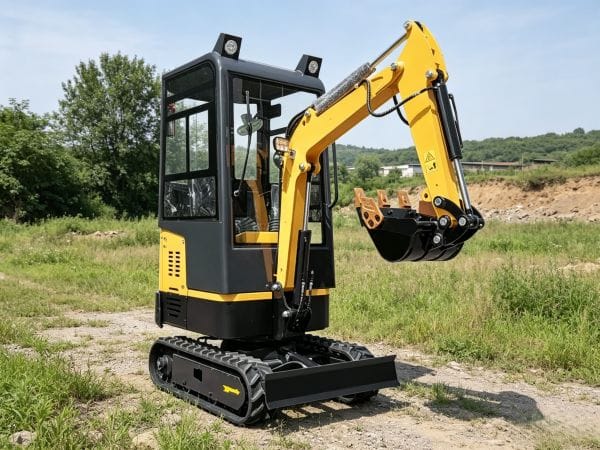
Die Kompatibilität der Anbaugeräte ist einer der wichtigsten Faktoren, die die Vielseitigkeit der Kompaktbagger beeinflussen.
Unterschiedliche Anbaugeräte ermöglichen es der Maschine, sich an unterschiedliche Betriebsanforderungen anzupassen, ohne sich auf Plattformen zu verändern.
| Befestigung | Beste Anwendung |
|---|---|
| Standard-Eimer | Allgemeine Ausgrabungen |
| Schachtel | Dienstprogramminstallation |
| Hydraulikaggregat | Konkreter Abriss |
| Schnecke | Bohren und nachträgliche Installation |
| festhaken | Schmutz und Materialhandling |
| Sortierkübel | Oberflächenveredelung und -nivellierung |
Die Auswahl des richtigen Anbaugeräts verbessert die Effizienz und reduziert unnötigen Verschleiß der Maschine.
Für Auftragnehmer, die mehrere Projekttypen abwickeln, erhöht die Flexibilität der Anbaugeräte erheblich die Auslastung der Ausrüstung.
So wählen Sie den richtigen Mini-Spurbagger für Ihr Projekt aus
Die Auswahl des richtigen Kompaktbaggers erfordert die Bewertung der realen Betriebsbedingungen, anstatt einfach die größte verfügbare Maschine auszuwählen.
Wichtige Faktoren sind:
Zugriff auf die Jobseite
Eingeschränkte Einstiegspunkte können die Maschinenbreite und Transportmöglichkeiten einschränken.
Bodenverhältnisse
Weicher Boden und unebenes Gelände können breitere Gleise und eine verbesserte Maschinenstabilität erfordern.
Anforderungen an die Aushubtiefe
Das Gräben und Fundament von Versorgungsunternehmen kann unterschiedliche Ausleger- und Armkonfigurationen erfordern.
Anhängenutzung
Projekte mit Abriss, Sortierung oder Bohren erfordern hydraulische Kompatibilität mit speziellen Anbaugeräten.
Transporteffizienz
Auftragnehmer, die mehrere Baustellen verwalten, priorisieren häufig Maschinen, die einfacher zwischen den Standorten transportiert werden können.
Eine Maschine, die der tatsächlichen Betriebsumgebung entspricht, übertrifft normalerweise übergroße Geräte, die unnötige Manövriereinschränkungen schaffen.
Häufige Fehler bei der Auswahl von Kompaktbaumaschinen
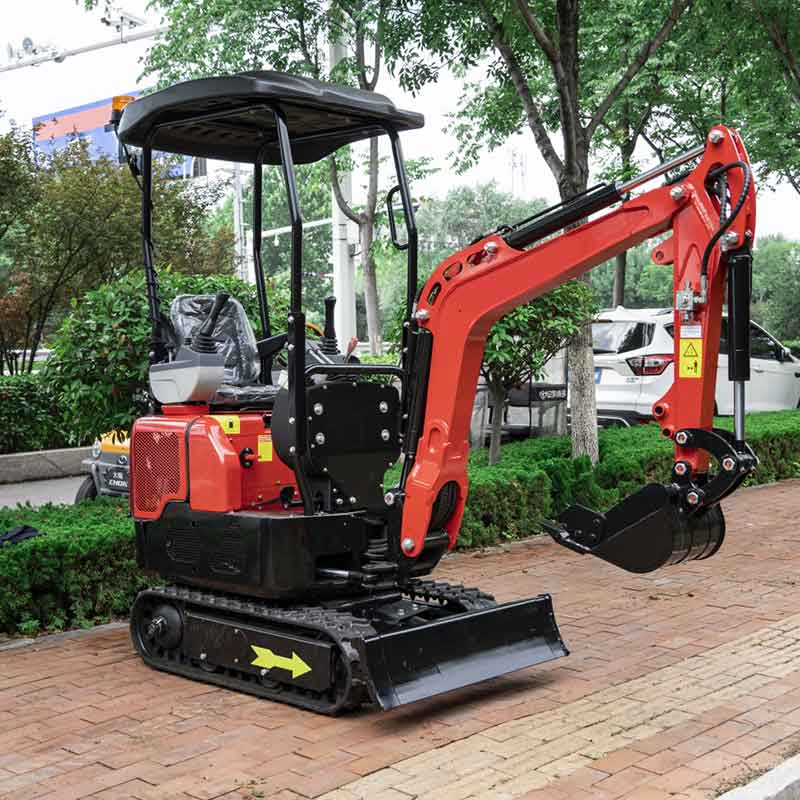
Viele Probleme bei der Auswahl der Geräteauswahl resultieren aus der Konzentration auf das Graben von Kraft und ignorieren die Realität auf der Baustelle.
Häufige Fehler sind:
- Auswahl übergroßer Maschinen für eingeschränkte Umgebungen
- Transportbeschränkungen unterschätzen
- Ignorieren der Anforderungen an die Kompatibilität der Anhänge
- Maschinen auswählen ohne Berücksichtigung der Geländebedingungen
- Priorisierung der Maschinengröße über der Betriebseffizienz
In kompakten Bauumgebungen bieten Manövrierfähigkeit und hydraulische Präzision häufig einen größeren praktischen Wert als die maximale Aushubkapazität.
Wie Minibagger in die Produktlinie von Luyue Machinery passen
Luyue-Maschinen Positionen Mini-Spurbagger neben Kompaktladern, Rasenmähern und Baggeraufsätzen als Teil einer kompakten Ausrüstungsreihe, die für Bau-, Landschaftsbau-, landwirtschaftliche Entwicklung und kommunale Wartungsanwendungen konzipiert wurde. (luyueMaschinery.com)
Diese Gerätekombination ermöglicht es Auftragnehmern und Händlern, mehrere Kompaktmaschinenlösungen für Aushub, Oberflächenvorbereitung, Materialhandhabung und Geländewartung von einem einzigen Lieferanten zu beziehen.
Bei Projekten mit gemischten Betriebsbedingungen kann die Kombination von Mini-Kettenbaggern mit Kompaktladern sowohl die Effizienz der Ausgrabung als auch die Workflow-Management auf der Baustelle verbessern.
Schluss
Mini-Spurbagger sind zu unverzichtbaren Kompaktmaschinen geworden, da sie kontrollierte Aushubleistung, Manövrierfähigkeit und betriebliche Flexibilität in eingeschränkten Arbeitsumgebungen kombinieren.
Zu den wichtigsten Vorteilen gehören:
- Effizienter Betrieb auf engstem Baustand
- Verbesserte Stabilität auf unebenem Gelände
- Reduzierte Oberflächenstörung
- Starke Anhaftungskompatibilität
- Eignung für Bau-, Landschaftsbau-, Landwirtschafts- und Kommunalanwendungen
Für Auftragnehmer, die in Umgebungen arbeiten, in denen Präzision und Zugang mehr als nur die Maschinengröße wichtig sind, bleiben kompakte Bagger eine der praktischsten verfügbaren Ausrüstungslösungen.
FAQ
Wofür werden hauptsächlich Mini-Spurbagger verwendet?
Mini-Spurbagger werden hauptsächlich für Graben, Versorgungsinstallationen, Landschaftsbau, Fundamentvorbereitung, Entwässerungsarbeiten und kompakte Aushubprojekte verwendet.
Warum sind Kettenbagger auf weichem Boden besser?
Die Spuren verteilen das Maschinengewicht gleichmäßiger, verbessern die Traktion und reduzieren den Bodendruck auf instabilem Gelände.
Sind Minibagger für den Stadtbau geeignet?
Ja. Ihre kompakte Größe und der kontrollierte Betriebsradius machen sie für städtische und Wohnbauten sehr effektiv.
Welche Anbaugeräte werden häufig bei Minibaggern verwendet?
Zu den gängigen Anbaugeräten gehören Grabenkübel, Hydraulikschalter, Schnecken, Greifer und Sortierungeimer.
Wie wählen Auftragnehmer den richtigen Kompaktbagger aus?
Auftragnehmer bewerten in der Regel den Zugang zu den Baustellen, die Geländebedingungen, die Anforderungen an die Anbautiefe, die Anbaukompatibilität und die Transporteffizienz, bevor sie eine Maschine auswählen.