
Table of Contents
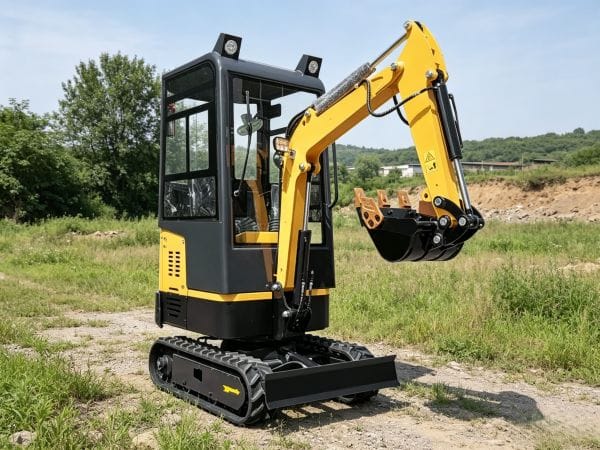
Choosing the right 1 ton mini excavator for your construction or landscaping business is a critical decision that impacts your operational efficiency, project capabilities, and return on investment. This comprehensive buying guide walks you through everything you need to know about selecting, evaluating, and purchasing a 1 ton mini excavator in 2026.
What Is a 1 Ton Mini Excavator?
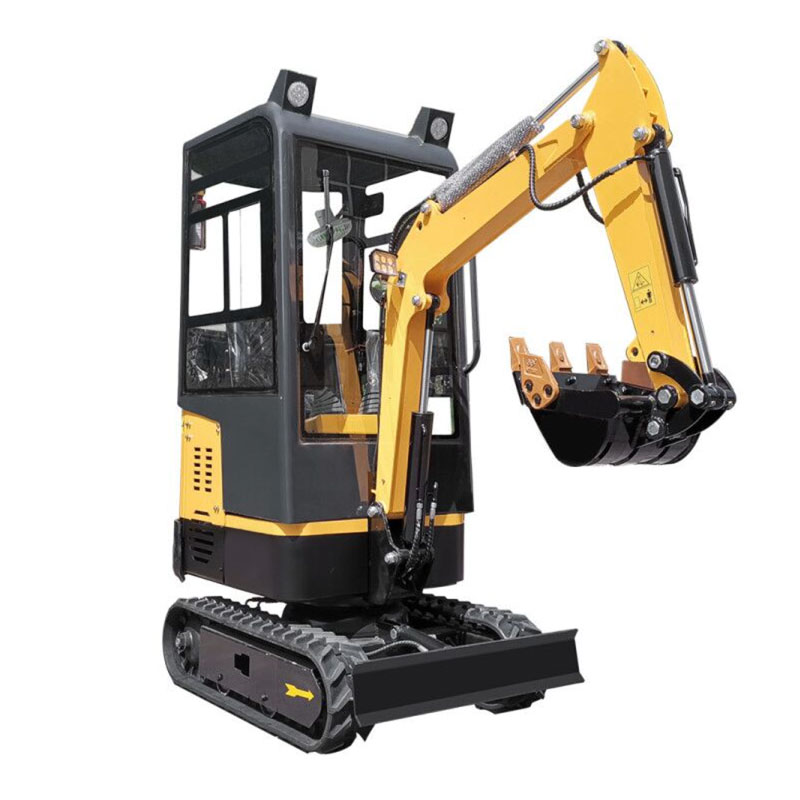
A 1 ton mini excavator represents the smallest category of compact excavators, typically weighing between 1,000 kg (2,200 lbs) and 1,500 kg (3,300 lbs). These ultra-compact machines are designed for projects where access is restricted and larger equipment cannot operate efficiently.
Despite their small size, 1 ton mini excavators deliver impressive digging performance in proportion to their weight class. They bridge the gap between manual labor and heavy machinery, offering contractors an efficient solution for small-scale excavation tasks.
Key characteristics of 1 ton mini excavators:
- Compact dimensions for tight access areas
- Reduced ground pressure for delicate surfaces
- Lower fuel consumption compared to larger excavators
- Easy transport on standard trailers
- Ideal for residential and urban projects
These machines excel in applications where space constraints prevent larger equipment from operating, making them essential tools for plumbing contractors, landscapers, and utility installation companies.
Key Specifications to Consider
When evaluating 1 ton mini excavators, understanding technical specifications ensures you select a machine that meets your project requirements. Focus on these critical specifications during your evaluation process.
Digging Depth
Digging depth is the primary specification for any excavator, representing the maximum vertical distance the machine can excavate below ground level. For 1 ton mini excavators, typical digging depths range from 1.8 meters to 2.5 meters (6-8 feet).
Why digging depth matters:
- Determines the types of utility installations possible
- Affects foundation excavation capabilities
- Influences trenching applications for drainage systems
- Impacts overall project scope flexibility
Consider your typical project requirements when evaluating digging depth. If your work frequently involves deeper utility installations, prioritize models with extended digging capabilities. However, remember that deeper digging often requires larger machines, so balance depth requirements with access constraints.
Pro tip: Always verify actual digging depth specifications from manufacturer data sheets, as marketing materials sometimes present optimistic figures under ideal conditions.
Engine Power
Engine power directly influences the excavator’s digging force, lifting capacity, and overall performance in challenging ground conditions. In the 1 ton category, engine power typically ranges from 10 to 20 horsepower (7-15 kW).
Power considerations:
- Higher horsepower provides stronger breakout force
- Adequate power ensures consistent performance in compacted soil
- Fuel efficiency often improves with appropriately sized engines
- Excessive power may increase operating costs unnecessarily
Match engine power to your typical working conditions. If you regularly work in hard-packed soil or rocky terrain, prioritize models with higher horsepower ratings. For soft soil and landscaping applications, moderate power output provides sufficient performance while maintaining fuel efficiency.
Operating Weight
Operating weight affects transport requirements, ground pressure, and stability during operation. Understanding weight specifications helps you plan logistics and evaluate machine capability.
Weight factors to consider:
- Trailer capacity requirements for transport
- Ground pressure impact on delicate surfaces
- Stability during digging operations
- Fuel consumption correlation with machine weight
1 ton mini excavators typically feature operating weights between 1,000 kg and 1,500 kg. This weight range allows transport on standard equipment trailers without special permits, reducing transportation costs and complexity.
Lighter machines offer advantages for transport and reduced ground impact but may sacrifice stability during aggressive digging. Heavier models within this category provide enhanced stability but require more careful planning for transport logistics.
Best Use Cases
1 ton mini excavators serve specific applications where their compact size and maneuverability provide distinct advantages over larger equipment.
Residential Utility Installation
Installing water lines, electrical conduits, and drainage systems in established neighborhoods requires equipment that can navigate between structures, existing landscaping, and property boundaries. The 1 ton mini excavator’s compact footprint allows access through standard gate openings and operation in narrow side yards.
Indoor Demolition Projects
Interior renovation projects in commercial buildings often require excavation for plumbing modifications or foundation work. Electric-powered 1 ton mini excavators operate in enclosed spaces without emissions concerns, making them ideal for indoor applications.
Landscaping and Hardscaping
Creating retaining walls, installing irrigation systems, and shaping terrain for residential landscapes demands precision excavation without damaging surrounding features. These machines provide the control needed for detailed landscaping work.
Pool and Spa Installation
Digging holes for small pools, spas, and water features in established backyards requires compact equipment capable of precise excavation. The 1 ton category offers the right balance of capability and access.
Foundation Repairs and Underpinning
Working in crawl spaces and around existing structures requires compact equipment with precise control. These excavators enable foundation repair contractors to access confined areas while maintaining productive excavation rates.
Top Brands Comparison
The 1 ton mini excavator market includes established construction equipment manufacturers and specialized compact equipment brands. Comparing key brands helps identify the right manufacturer for your requirements.
| Brand | Key Strengths | Typical Digging Depth | Engine Power | Warranty |
|---|---|---|---|---|
| Kubota | Reliability, parts availability | 2.3m | 12-15 HP | 2-year |
| Yanmar | Fuel efficiency, compact design | 2.1m | 10-14 HP | 2-year |
| Bobcat | Service network, attachments | 2.2m | 14-18 HP | 1-year |
| Caterpillar | Durability, resale value | 2.4m | 15-20 HP | 2-year |
| Komatsu | Technology, operator comfort | 2.3m | 13-16 HP | 2-year |
| Takeuchi | Value, performance | 2.2m | 12-15 HP | 2-year |
Brand selection factors:
- Local dealer support: Prioritize brands with established service networks in your operating area
- Parts availability: Ensure common wear items and service components are readily available
- Resale value: Premium brands typically retain higher resale values
- Operator familiarity: Consider operator training requirements if transitioning between brands
[Get Quote for 1 Ton Mini Excavator]
Common Mistakes When Buying
Avoid these frequent purchasing errors to ensure you select the right 1 ton mini excavator for your business needs.
Mistake 1: Focusing Only on Price
Selecting equipment based solely on purchase price often results in higher long-term costs through increased maintenance, reduced reliability, and poor resale value. Evaluate total cost of ownership rather than initial price alone.
Mistake 2: Ignoring Dealer Support
Equipment requires regular service and occasional repairs. Purchasing from a dealer with poor service reputation or limited parts inventory leads to extended downtime and lost productivity.
Mistake 3: Overlooking Attachment Compatibility
Future project requirements may demand different attachments. Choosing a machine with limited attachment options restricts your operational flexibility and potential revenue streams.
Mistake 4: Underestimating Transport Requirements
While 1 ton mini excavators are compact, they still require proper trailers and transport planning. Failing to account for transport logistics increases operational complexity and costs.
Mistake 5: Skipping Operational Testing
Purchasing equipment without hands-on testing risks discovering operational issues after commitment. Always test equipment under conditions similar to your typical applications.
Mistake 6: Neglecting Operator Comfort Features
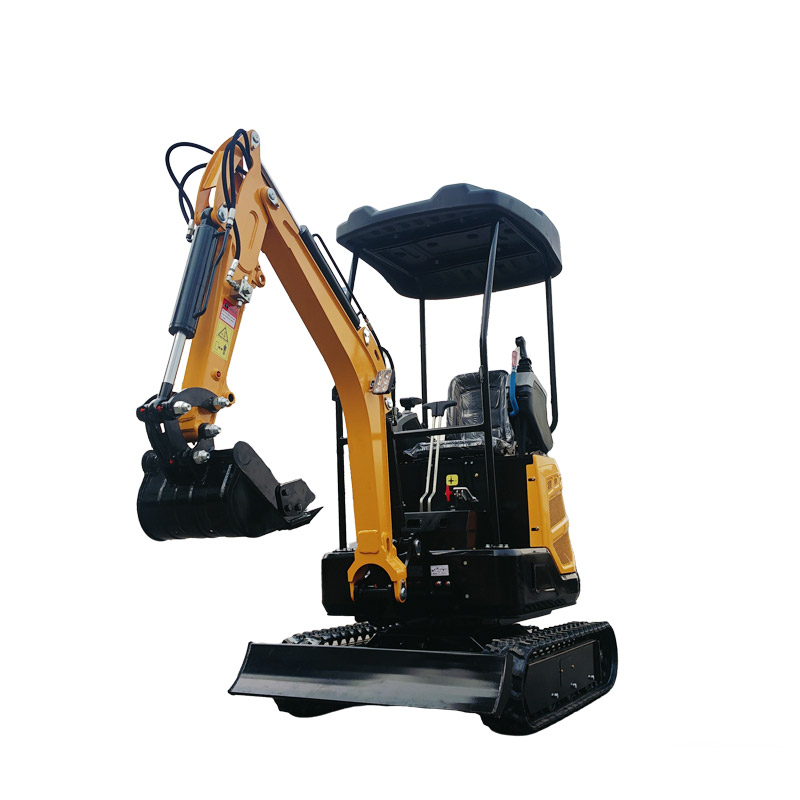
Operators spend long hours in the cab. Discomfort leads to fatigue and reduced productivity. Evaluate visibility, seat comfort, and control layout during selection.
[Get Quote for 1 Ton Mini Excavator]
Final Buying Checklist
Use this comprehensive checklist to evaluate 1 ton mini excavators and ensure you make an informed purchase decision.
Specifications Verification
- Digging depth meets project requirements
- Engine power adequate for soil conditions
- Operating weight compatible with transport capabilities
- Lifting capacity sufficient for material handling needs
Operational Testing
- All hydraulic functions operate smoothly
- Engine starts reliably in various conditions
- Controls are intuitive and responsive
- Visibility meets job site safety requirements
- Cab comfort acceptable for extended operation
Dealer Evaluation
- Service department has qualified technicians
- Parts inventory available for common items
- Reasonable response time for service requests
- Positive customer reviews and references
- Convenient location for service visits
Documentation Review
- Warranty terms clearly understood
- Service history available for used equipment
- Operator manuals and documentation complete
- Safety certifications and compliance verified
Financial Considerations
- Purchase price within budget parameters
- Financing terms acceptable if required
- Insurance costs factored into total cost
- Resale value projections reasonable
After Purchase Support
- Operator training available if needed
- Maintenance schedule established
- Service contact information confirmed
- Emergency support procedures understood
Next Steps
Selecting the right 1 ton mini excavator requires careful evaluation of your project requirements, operational constraints, and budget parameters. Use this guide as your reference throughout the buying process to ensure you make an informed decision that supports your business growth.
Ready to find the perfect 1 ton mini excavator for your needs?
[Get Quote for Mini Excavator]
Our equipment specialists can help you evaluate options, compare specifications, and find the best machine for your specific applications. Contact us today to discuss your requirements and receive personalized recommendations.
FAQ
What is the typical digging depth of a 1 ton mini excavator?
Most 1 ton mini excavators offer digging depths between 1.8 meters and 2.5 meters (6-8 feet). Actual depth varies by manufacturer and model configuration.
Can a 1 ton mini excavator fit through a standard gate?
Yes, most 1 ton mini excavators are designed to fit through standard residential gate openings (typically 36-42 inches wide). Always verify specific model dimensions before purchase.
What attachments work with 1 ton mini excavators?
Common attachments include various bucket sizes, augers, hydraulic breakers, and trenchers. Attachment compatibility varies by manufacturer and hydraulic flow specifications.
What is the best brand for 1 ton mini excavators?
The best brand depends on your specific needs. Kubota and Yanmar offer excellent reliability, while Caterpillar provides strong resale value. Consider dealer support availability in your area when selecting a brand.