
Table of Contents
Introduction
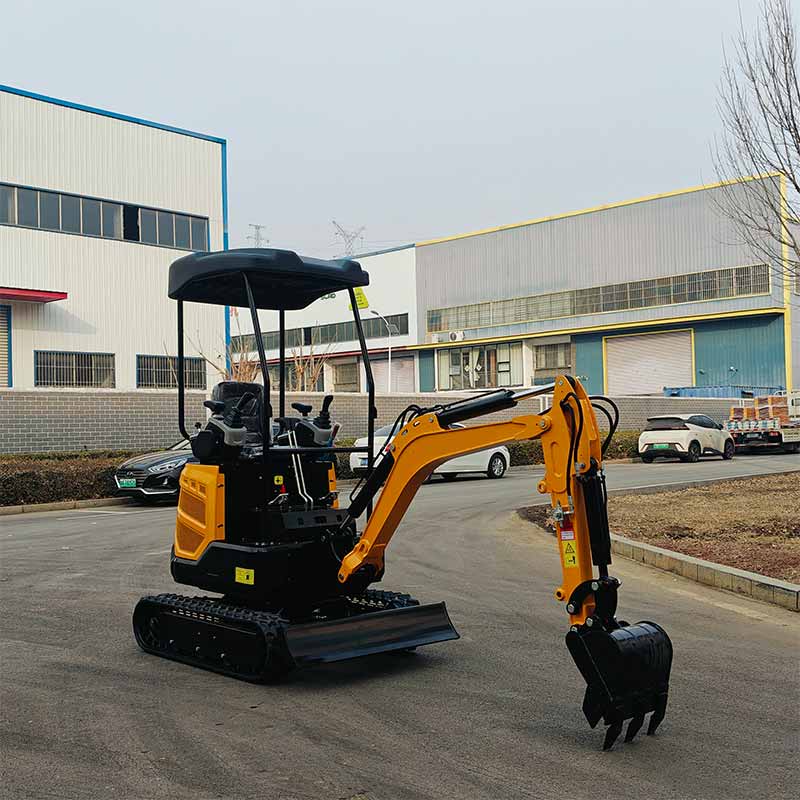
Landscaping projects require precision, flexibility, and minimal ground disturbance. A mini excavator is one of the most effective machines for these tasks due to its compact size and multi-function capability.
Choosing the right mini excavator for landscaping is essential to ensure efficiency and avoid damage to existing terrain, plants, or structures.
Key factors to consider include:
- Machine size and weight
- Ground impact and track type
- Attachment compatibility
- Maneuverability in tight spaces
- Control precision
Understanding these factors helps professionals select a machine that meets both performance and environmental requirements.
Why Mini Excavators Are Ideal for Landscaping
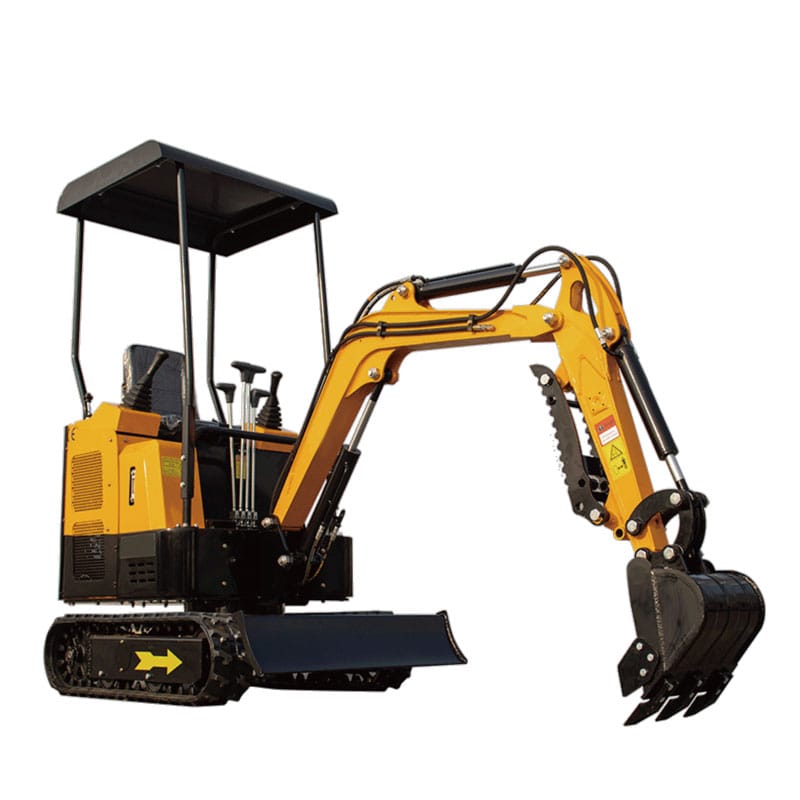
Mini excavators are widely used in landscaping because they offer a balance between power and precision.
Key advantages include:
- Compact size for tight garden spaces
- Reduced damage to lawns and finished surfaces
- Precise digging and grading control
- Compatibility with multiple landscaping attachments
- Ability to work in residential environments
Compared to larger equipment, mini excavators provide better control and flexibility for detailed work.
Recommended Machine Size for Landscaping
Choosing the correct size is critical for landscaping efficiency.
| Machine Size | Best Application | Advantages |
|---|---|---|
| Below 1 ton | Small gardens, indoor work | Extremely compact, easy transport |
| 1–2 tons | Residential landscaping | Good balance of size and power |
| 2–3.5 tons | Medium projects | Stronger digging capacity |
| 3.5–6 tons | Large landscaping jobs | Higher efficiency and reach |
For most landscaping tasks, machines in the 1–3 ton range provide the best combination of maneuverability and performance.
Key Features to Look For
When selecting a mini excavator for landscaping, certain features are especially important.
Compact Design
A compact structure allows the machine to operate in narrow areas such as backyards, pathways, and garden spaces.
Rubber Tracks
Rubber tracks reduce surface damage and are ideal for working on grass, pavement, and finished landscapes.
Smooth Hydraulic Control
Precise hydraulic response ensures accurate digging, grading, and shaping.
Swing Radius
A short tail swing design improves safety and maneuverability in confined areas.
Essential Attachments for Landscaping
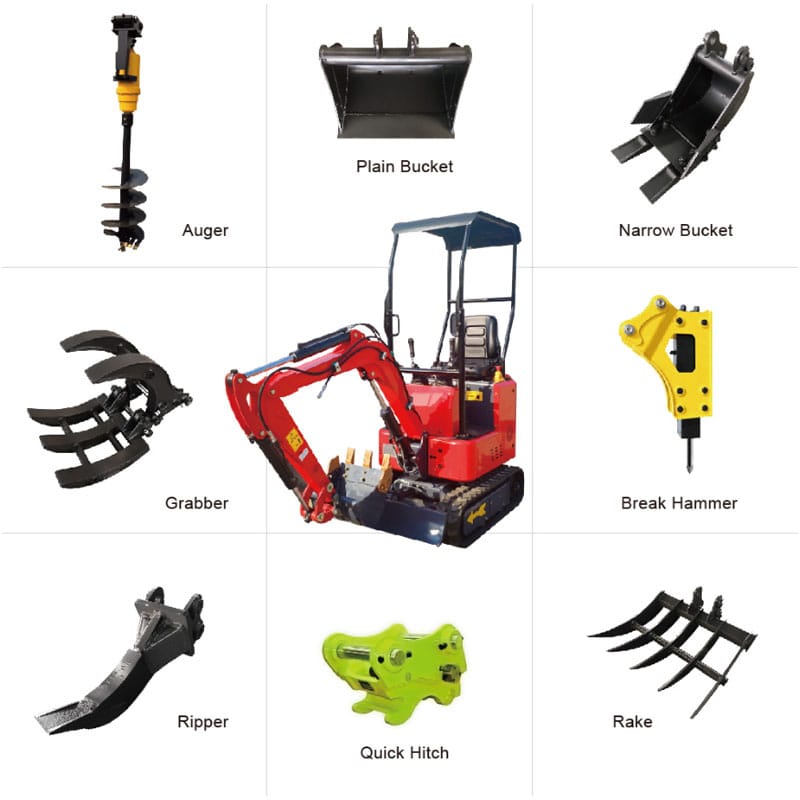
Attachments significantly expand the capabilities of a mini excavator in landscaping work.
| Attachment | Function | Landscaping Use |
|---|---|---|
| Grading Bucket | Leveling surfaces | Lawn preparation |
| Auger | Drilling holes | Tree planting, fencing |
| Tilt Bucket | Angled grading | Slope shaping |
| Grapple | Handling materials | Moving branches, debris |
| Rake Attachment | Surface cleanup | Soil and debris separation |
Using the right attachment improves both efficiency and work quality.
Common Landscaping Applications
Mini excavators are used in a wide range of landscaping tasks.
Land Shaping
Excavators help reshape terrain for gardens, lawns, and outdoor spaces.
Tree Planting
Auger attachments allow precise hole drilling for planting trees and shrubs.
Drainage Installation
Mini excavators are used to dig trenches for drainage systems and irrigation lines.
Pond and Water Feature Construction
They provide accurate excavation for ponds and decorative water features.
Soil and Debris Handling
With appropriate attachments, operators can move soil, rocks, and organic materials efficiently.
Productivity Tips for Landscaping Work
To maximize efficiency, operators should follow best practices.
Use the Right Machine Size
Avoid oversized machines that can damage the landscape or limit maneuverability.
Plan Work Areas
Organize the project to minimize unnecessary movement and repositioning.
Choose Proper Attachments
Using specialized attachments improves precision and reduces manual labor.
Maintain Equipment
Regular maintenance ensures smooth operation and prevents downtime.
Mistakes to Avoid
Many landscaping projects experience inefficiencies due to poor equipment selection.
Common mistakes include:
- Using machines that are too large for the space
- Ignoring ground protection requirements
- Not selecting appropriate attachments
- Operating without proper planning
- Overloading the machine
Avoiding these mistakes improves both efficiency and final results.
Advantages of Using the Right Mini Excavator
Selecting the correct machine provides long-term benefits:
- Higher precision in landscaping work
- Reduced labor requirements
- Faster project completion
- Lower risk of surface damage
- Improved overall work quality
A well-matched machine enhances both productivity and project outcomes.
Conclusion
Mini excavators are essential tools for modern landscaping projects due to their compact size, versatility, and precision. Selecting the right model depends on project scale, terrain conditions, and required attachments.
Key takeaways:
- Smaller machines are ideal for residential landscaping
- Rubber tracks help protect finished surfaces
- Attachments expand machine capabilities
- Proper selection improves efficiency and reduces damage
- Planning and operation techniques impact productivity
Choosing the right mini excavator ensures better performance and higher-quality landscaping results.
FAQ
What size mini excavator is best for landscaping?
Most landscaping projects benefit from 1–3 ton mini excavators due to their balance of power and maneuverability.
Can mini excavators be used on lawns without damage?
Yes. Machines equipped with rubber tracks minimize ground damage and are suitable for lawns and finished surfaces.
What attachments are most useful for landscaping?
Common attachments include grading buckets, augers, tilt buckets, and grapples.
Are mini excavators suitable for small garden spaces?
Yes. Their compact design allows them to operate efficiently in tight residential areas.
How can I improve efficiency in landscaping projects?
Using the right machine size, selecting proper attachments, and planning workflow can significantly improve efficiency.