
Table of Contents
Introduction
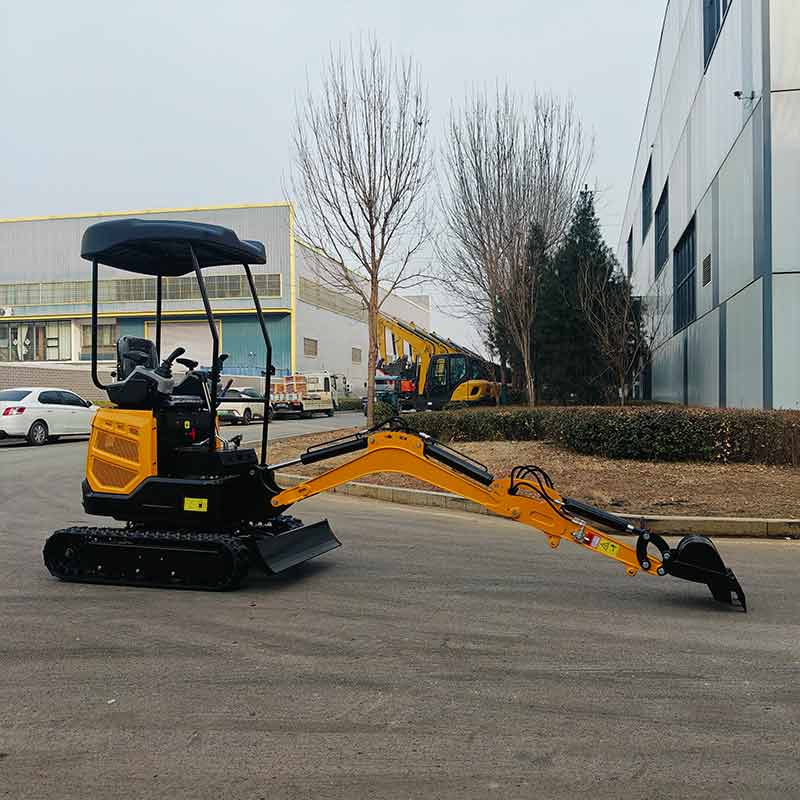
A mini tracked excavator is one of the most versatile machines used in modern construction, landscaping, and infrastructure work. Its compact size allows it to operate efficiently in tight spaces while still delivering strong digging performance.
Because of their flexibility and mobility, mini tracked excavators are widely used for tasks such as trenching, land preparation, utility installation, and site maintenance. Contractors often rely on these machines when larger excavators cannot access confined job sites.
Key reasons why mini tracked excavators are widely used include:
- Compact design for narrow job sites
- Strong digging capability relative to size
- Track mobility for uneven terrain
- Compatibility with multiple attachments
- High efficiency for small to medium projects
Understanding how mini tracked excavators work and where they perform best can help contractors, equipment buyers, and operators choose the right machine for their projects.
What Is a Mini Tracked Excavator
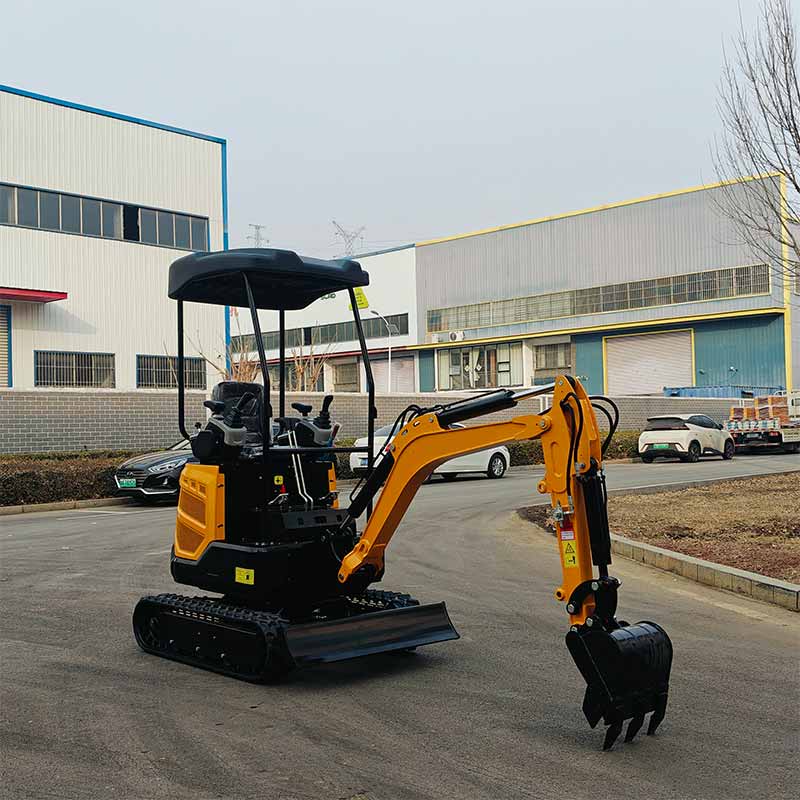
A mini tracked excavator is a compact hydraulic excavation machine that uses tracks instead of wheels for movement. Tracks distribute the machine’s weight across a wider area, improving stability and traction on soft or uneven surfaces.
These machines typically feature a rotating upper structure that allows the operator to move the boom and bucket in different directions without repositioning the entire machine. This capability improves efficiency during digging and material handling operations.
Mini excavators are designed to perform tasks that require precision and flexibility. They are particularly useful for projects located in restricted spaces where large machines would be impractical.
Typical Size Categories
Mini excavators are available in several size ranges depending on their operating capacity and intended use.
| Category | Typical Operating Weight | Typical Applications |
|---|---|---|
| Micro Excavators | Below 1 ton | Indoor work, garden landscaping |
| Compact Mini Excavators | 1 – 3 tons | Residential construction, trenching |
| Medium Mini Excavators | 3 – 6 tons | Infrastructure work, land grading |
| Upper Compact Range | 6 – 10 tons | Larger excavation and utility projects |
Smaller machines provide excellent maneuverability, while larger models offer increased digging depth and lifting capability.
Main Components of a Mini Tracked Excavator
Mini excavators share a similar structural design regardless of manufacturer. Understanding these components helps operators use the machine efficiently.
Undercarriage
The undercarriage includes the tracks, rollers, and drive motors that allow the machine to move across different surfaces. Rubber tracks are commonly used because they reduce damage to pavement and landscaping areas.
Upper Structure
The upper structure contains the engine, hydraulic system, operator controls, and counterweight. This section rotates independently from the undercarriage, allowing efficient digging without moving the tracks.
Boom and Arm
The boom and arm form the main digging assembly. The boom provides lifting motion, while the arm extends the reach of the machine and positions the bucket.
Bucket
The bucket performs the primary digging task. Various bucket shapes are designed for different applications such as trenching, grading, or general excavation.
Hydraulic System
Hydraulic pumps and cylinders power the movement of the boom, arm, bucket, and tracks. A reliable hydraulic system is essential for smooth operation and strong digging force.
Common Applications
Mini tracked excavators are used in many industries because of their adaptability and precision.
Construction
Contractors use mini excavators for foundation preparation, trench digging, and site leveling. Their compact size allows them to work close to buildings and structures.
Landscaping
Landscaping professionals use these machines to reshape terrain, dig ponds, install irrigation systems, and plant trees.
Agriculture
In agricultural environments, mini excavators assist with drainage improvement, irrigation trenching, and land clearing tasks.
Utility Installation
Utility contractors use mini excavators to install underground pipes, cables, and drainage systems in both rural and urban environments.
Municipal Maintenance
Local governments often use mini excavators for road repairs, sidewalk maintenance, and underground infrastructure servicing.
Advantages of Mini Tracked Excavators
Mini excavators provide several important operational benefits.
Compact Mobility
Their compact size allows them to move easily through narrow spaces such as residential yards or urban construction sites.
Improved Stability
Tracks distribute weight evenly, improving stability when working on uneven ground or soft soil.
Reduced Ground Damage
Rubber tracks minimize damage to lawns, pavement, and landscaping areas.
Versatility
The ability to use multiple attachments allows one machine to perform many different tasks on the job site.
Efficient Operation
Mini excavators allow operators to complete excavation tasks quickly while maintaining precise control.
Common Excavator Attachments
Attachments greatly expand the functionality of mini excavators.
| Attachment | Main Function | Typical Use |
|---|---|---|
| Standard Bucket | Soil excavation | General construction |
| Trenching Bucket | Narrow trench digging | Utility installation |
| Auger | Drilling holes | Fence posts, agriculture |
| Hydraulic Breaker | Breaking concrete or rock | Demolition |
| Grapple | Handling debris or logs | Forestry, site cleanup |
| Grading Bucket | Surface leveling | Landscaping |
Quick coupler systems allow operators to switch attachments efficiently depending on the task.

Maintenance Considerations
Regular maintenance is necessary to keep mini excavators operating safely and efficiently.
Daily inspections should include checking engine fluid levels, hydraulic hoses, track tension, and structural components. Keeping the track system clean prevents debris buildup that could affect movement.
Hydraulic systems should be inspected regularly to ensure hoses and seals remain in good condition. Maintaining clean hydraulic fluid helps preserve system efficiency.
Routine engine service, including oil and filter replacement, helps ensure stable operation and reduces the risk of mechanical issues.
Following recommended maintenance procedures helps extend equipment life and maintain consistent performance.
Safety Considerations
Safe operation is essential when working with construction machinery. Operators should be properly trained and familiar with the machine’s controls before beginning work.
The job site should be inspected for underground utilities, unstable soil, or obstacles before excavation begins. Clear communication between operators and ground workers helps maintain a safe working environment.
Wearing appropriate protective equipment and maintaining safe operating distances further reduces risks during excavation work.
Conclusion
Mini tracked excavators combine compact size, strong performance, and versatile functionality. These machines are widely used in construction, landscaping, agriculture, and infrastructure maintenance because they can operate efficiently in confined spaces.
Key advantages include:
- Excellent maneuverability in tight job sites
- Stable operation on uneven terrain
- Compatibility with multiple attachments
- Reduced ground impact compared with larger machines
- Reliable performance across many industries
By understanding their structure, applications, and maintenance requirements, contractors and operators can maximize the efficiency and reliability of mini tracked excavators in a wide range of projects.
FAQ
What is the difference between a mini excavator and a standard excavator?
A mini excavator is smaller and designed for tasks that require precision and mobility in confined areas. Standard excavators are larger machines typically used for heavy-duty construction or large-scale excavation projects.
What types of projects are mini tracked excavators commonly used for?
Mini tracked excavators are widely used in residential construction, landscaping, agricultural work, utility installation, and municipal maintenance projects where compact equipment is required.
Why do mini excavators use tracks instead of wheels?
Tracks provide better traction and stability on uneven or soft surfaces. They also distribute the machine’s weight more evenly, reducing ground pressure and minimizing surface damage.
Can mini excavators use different attachments?
Yes. Mini excavators are designed to support various attachments such as buckets, augers, hydraulic breakers, grapples, and grading tools. These attachments allow the machine to perform many different tasks.
How important is regular maintenance for mini excavators?
Regular maintenance is essential for maintaining safe operation and extending the lifespan of the machine. Routine inspections and proper servicing help ensure reliable performance and reduce the risk of mechanical problems.