
Table of Contents
Introduction: Mini Excavator vs Skid Steer
Mini excavators and skid steer loaders are two of the most commonly used compact machines in construction, landscaping, and utility work. Both machines are designed for efficiency and flexibility on smaller job sites, but they serve different purposes and perform best in different situations.
Choosing between a mini excavator and a skid steer loader depends on the type of work being performed, the working environment, and the required attachments.
Key differences between the two machines include:
- Type of movement and maneuverability
- Digging and lifting capabilities
- Suitable job site conditions
- Attachment compatibility
Understanding these differences helps contractors select the right equipment for each project.
What Is a Mini Excavator
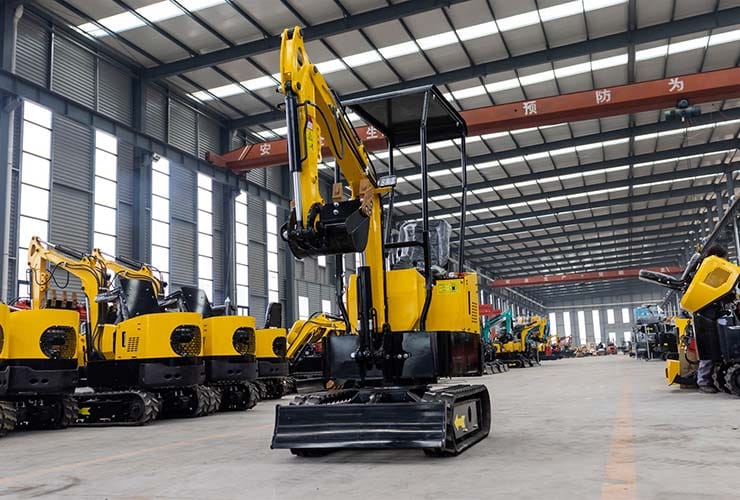
A mini excavator is a compact tracked machine designed primarily for digging and trenching tasks. It uses a hydraulic boom, arm, and bucket system to excavate soil and move materials.
Mini excavators typically feature a rotating upper structure that allows the operator to swing the arm around the machine without repositioning the tracks. This design improves efficiency during excavation tasks.
These machines are widely used for:
- trench digging
- foundation excavation
- drainage installation
- landscaping work
- utility trenching
The track system provides strong traction and stability on uneven or soft terrain.
What Is a Skid Steer Loader
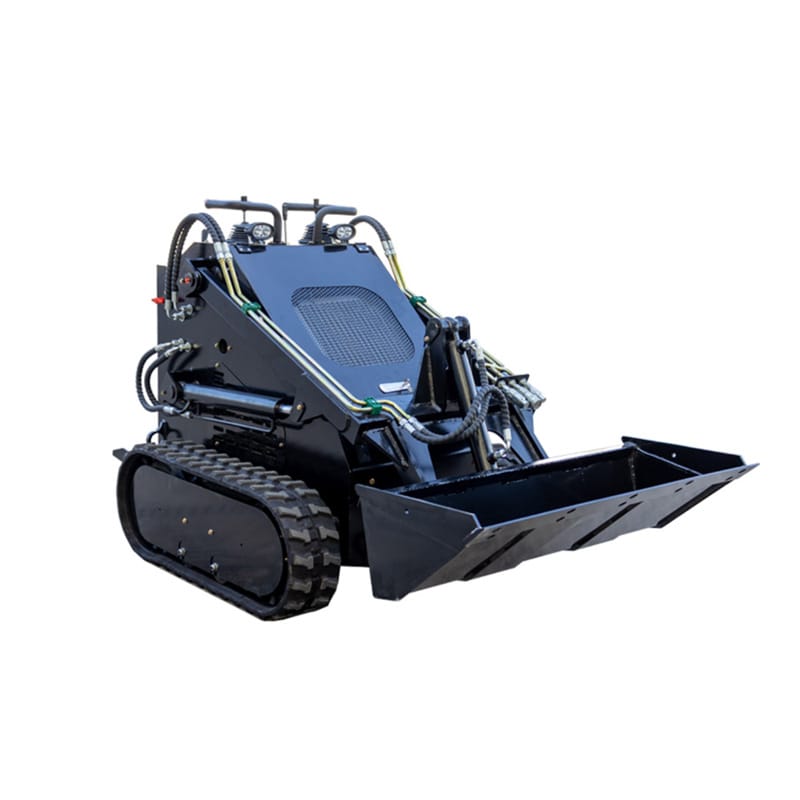
A skid steer loader is a compact wheeled machine designed for lifting, carrying, and moving materials. It is known for its high maneuverability and ability to turn within its own footprint.
Unlike mini excavators, skid steer loaders use lift arms mounted on the sides of the machine to operate attachments.
Skid steers are commonly used for:
- loading materials
- site cleanup
- grading and leveling
- snow removal
- material transport
Because of their speed and agility, skid steer loaders are ideal for projects that require frequent movement around the job site.
Key Differences Between Mini Excavators and Skid Steer Loaders
Although both machines are compact and versatile, they are designed for different types of tasks.
| Feature | Mini Excavator | Skid Steer Loader |
|---|---|---|
| Primary Function | Digging and trenching | Lifting and material handling |
| Mobility System | Tracks | Wheels or tracks |
| Rotation | 360° rotating upper structure | Turns by skid steering |
| Digging Capability | Excellent | Limited |
| Material Transport | Moderate | Excellent |
| Stability on Soft Ground | Very good | Moderate |
| Speed of Movement | Slower | Faster |
This comparison shows that mini excavators excel at digging operations, while skid steer loaders are better suited for moving materials.
When to Use a Mini Excavator
Mini excavators are the preferred choice when a project requires precise digging or excavation work.
Typical situations where mini excavators perform best include:
Trenching for Utilities
Mini excavators are widely used for digging trenches for water pipes, electrical conduits, and drainage systems.
Foundation Excavation
Contractors use mini excavators to prepare building foundations and footings.
Landscaping Projects
Landscape professionals rely on mini excavators for digging ponds, planting trees, and reshaping terrain.
Working in Confined Areas
Because the upper structure rotates independently, mini excavators can work efficiently in tight spaces without repositioning frequently.
When to Use a Skid Steer Loader
Skid steer loaders are better suited for projects that involve material handling and site cleanup.
Common applications include:
Material Transport
Skid steers are ideal for moving gravel, soil, sand, or construction materials around a job site.
Surface Grading
Using grading attachments, skid steer loaders can level surfaces and prepare ground for construction.
Snow Removal
Many municipalities and property maintenance companies use skid steer loaders for snow clearing.
Job Site Cleanup
Skid steers are efficient at removing debris and loading materials into trucks.
Attachment Versatility
Both machines support a wide range of attachments that expand their capabilities.
| Attachment | Mini Excavator | Skid Steer |
|---|---|---|
| Bucket | Yes | Yes |
| Auger | Yes | Yes |
| Hydraulic Breaker | Yes | Yes |
| Grapple | Yes | Yes |
| Trencher | Limited | Yes |
| Pallet Fork | Rare | Yes |
Although both machines support many attachments, skid steer loaders typically offer greater flexibility for material handling tools.
Job Site Considerations: Mini Excavator vs Skid Steer
WWhen choosing between a mini excavator and a skid steer loader, understanding the specific conditions of the job site is essential. Each machine is designed for different types of tasks and environments, and selecting the right equipment can significantly improve productivity, efficiency, and overall project success. Factors such as ground conditions, workspace limitations, project requirements, and machine versatility should all be considered before making a decision.
Ground Conditions
Ground conditions play a major role in determining which machine will perform best on a job site. Mini excavators typically use rubber or steel tracks, which distribute the machine’s weight more evenly across the ground. This design reduces ground pressure and allows the machine to operate more effectively on soft, muddy, or uneven terrain. As a result, mini excavators are often the preferred choice for projects involving landscaping, trenching in loose soil, or working on undeveloped land.
Skid steer loaders, on the other hand, usually operate on wheels. While wheels provide good speed and maneuverability, they may struggle on muddy or slippery surfaces where traction is limited. In these situations, operators may experience wheel spinning or reduced stability. To address this issue, some contractors choose compact track loaders, which are skid steer machines equipped with tracks instead of wheels. These machines perform better on soft ground but may come at a higher cost.
In general, if the job site involves soft soil, wet ground, or uneven terrain, a mini excavator is often the more reliable and stable option.
Space Limitations
Space constraints are another important consideration, especially for projects in urban areas, residential properties, or confined construction zones. Both mini excavators and skid steer loaders are compact machines designed for smaller job sites, but they handle tight spaces differently.
Mini excavators have a major advantage when working in narrow or restricted areas because of their rotating upper structure and articulated boom. The machine can rotate up to 360 degrees, allowing operators to dig, load, and reposition materials without frequently moving the base of the machine. This capability makes mini excavators highly efficient when digging trenches along walls, working around foundations, or operating between buildings.
Skid steer loaders are also compact and highly maneuverable, but they rely on skid steering to change direction. This turning method requires the machine to pivot by skidding its wheels against the ground, which may require slightly more operating space and can sometimes cause surface damage on delicate surfaces such as turf or finished pavement.
For extremely tight job sites where precise digging and minimal machine movement are required, mini excavators often provide better operational flexibility.
Project Type
The type of project being performed is one of the most important factors when deciding between these two machines. Mini excavators are specifically designed for digging and earthmoving tasks. They excel at trenching, foundation excavation, utility installation, drainage work, and landscaping projects that require precise digging capabilities.
Skid steer loaders are known for their versatility. Instead of focusing primarily on excavation, skid steers are commonly used for material handling, loading debris, grading surfaces, and transporting materials across a job site. Their front-mounted bucket allows operators to quickly move soil, gravel, sand, or construction waste.
Because of this difference, projects that involve heavy digging or trenching will typically benefit from the use of a mini excavator. Meanwhile, projects that require frequent material transport, site cleanup, or grading tasks may be better suited for a skid steer loader.
Mobility and Job Site Efficiency
Another factor to consider is how frequently the machine needs to move around the job site. Skid steer loaders generally have faster travel speeds and can quickly move between different areas of a construction site. This makes them highly efficient for tasks that involve repeated loading and transporting of materials.
Mini excavators move more slowly, but they offer greater precision when performing digging operations. Once positioned, they can complete detailed excavation work without needing to reposition frequently. For projects that require long periods of stationary digging, a mini excavator can provide better efficiency.
Attachments and Versatility
Attachments greatly influence the overall usefulness of construction equipment. Skid steer loaders are widely known for their ability to support a large variety of attachments. With the right attachment, a skid steer can function as a loader, sweeper, auger, breaker, trencher, or even a snow removal machine. This flexibility allows contractors to perform multiple tasks using a single piece of equipment.
Mini excavators can also use specialized attachments such as hydraulic breakers, grapples, and augers. However, their core functionality still centers on excavation and digging operations. While they are versatile within the excavation category, they are generally less adaptable for material handling tasks compared to skid steer loaders.
Both mini excavators and skid steer loaders offer unique advantages depending on the conditions of the job site. Mini excavators are typically the better choice for projects that involve digging, trenching, or operating on soft and uneven ground. Their rotating structure and precise control make them ideal for confined excavation tasks.
Skid steer loaders, in contrast, excel in material handling, site cleanup, grading, and tasks that require frequent movement across the job site. Their compatibility with numerous attachments also makes them one of the most versatile machines in the construction industry.
Before selecting equipment, contractors should carefully evaluate the terrain, available workspace, and the specific tasks required for the project. Choosing the right machine not only improves efficiency but also helps reduce operational costs and ensures that the job is completed safely and effectively.
Productivity Factors
Productivity on a construction site often depends on how well the selected equipment matches the specific tasks required for the project. Choosing the right machine can significantly reduce labor time, increase operational efficiency, and improve overall project timelines. When comparing a mini excavator and a skid steer loader, understanding how each machine contributes to productivity in different scenarios is essential.
Task-Specific Efficiency
Mini excavators are designed primarily for excavation work, which makes them highly efficient for tasks such as digging trenches, excavating foundations, installing drainage systems, and preparing utility lines. Their hydraulic arm, bucket design, and precise control allow operators to dig accurately while minimizing unnecessary soil movement. Because the machine can rotate its upper structure, operators can dig and place soil without repositioning the entire machine frequently, saving both time and effort.
For projects that require consistent digging over extended periods—such as foundation preparation or pipeline installation—a mini excavator can significantly increase productivity compared to general-purpose equipment.
Material Handling and Site Movement
Skid steer loaders excel in tasks that involve transporting materials across a job site. Their front-mounted bucket allows operators to quickly scoop, carry, and dump materials such as soil, gravel, sand, or debris. This makes them highly effective for loading trucks, clearing construction waste, or distributing materials across different areas of the site.
Because skid steer loaders typically move faster than mini excavators, they can travel efficiently between work zones. This mobility is especially valuable on larger job sites where materials must be moved frequently. In projects that involve grading, backfilling, or site cleanup, skid steer loaders can significantly improve workflow efficiency.
Attachment Versatility
Another factor that influences productivity is the ability to use specialized attachments. Skid steer loaders are known for their wide range of compatible attachments, including augers, trenchers, sweepers, breakers, and grading blades. This versatility allows one machine to perform multiple tasks, reducing the need for additional equipment on site.
Mini excavators also support various attachments, such as hydraulic breakers, grapples, and augers. These tools allow the machine to handle more than just digging tasks. However, their productivity advantage remains strongest in excavation-focused operations where precision and digging depth are critical.
Combined Equipment Efficiency
In many construction projects, contractors choose to use both machines together because their functions complement each other. For example, a mini excavator can handle trenching or foundation digging while a skid steer loader transports excavated soil away from the trench and prepares the surrounding ground.
This combination can create a more efficient workflow. Instead of a single machine switching between digging and transporting tasks, each machine focuses on its specialized role. As a result, overall productivity increases and project timelines can be shortened.
Advantages of Using Both Machines Together
On many construction sites, mini excavators and skid steer loaders are used as a combination.
For example:
- The mini excavator digs trenches or removes soil.
- The skid steer loader transports the excavated material away from the work area.
This combination improves workflow efficiency and reduces manual labor requirements.
Conclusion
Mini excavators and skid steer loaders are both essential pieces of compact construction equipment. However, they are designed for different tasks.
Key points to consider:
- Mini excavators are best for digging and trenching tasks
- Skid steer loaders are ideal for lifting and moving materials
- Track systems provide better stability on soft ground
- Attachment options expand the capabilities of both machines
Selecting the right machine depends on the specific requirements of the project, including terrain conditions, working space, and the type of work being performed.
By understanding the strengths of each machine, contractors can choose equipment that improves efficiency and productivity on the job site.
FAQ
Is a mini excavator better than a skid steer?
Neither machine is universally better. Mini excavators are better for digging and trenching, while skid steer loaders are more efficient for moving materials and grading surfaces.
Can a skid steer dig like a mini excavator?
A skid steer can perform light digging tasks using certain attachments, but it does not provide the same precision or depth capability as a mini excavator.
Which machine works better on soft ground?
Mini excavators generally perform better on soft or uneven terrain because their track system distributes weight more evenly.
Do mini excavators and skid steers use the same attachments?
Some attachments such as buckets, augers, and hydraulic breakers can be used on both machines, but many attachments are designed specifically for one type of equipment.
Do contractors use both machines on the same project?
Yes. Many construction projects use both machines together. Mini excavators handle excavation work, while skid steer loaders move materials and prepare surfaces.