
Table of Contents
Direct Answer
A jaw crusher setting controls the minimum gap between the moving and fixed jaw at the closed position. This closed-side setting, commonly called CSS, influences the product-size distribution, recirculating load, throughput, power demand, and wear. It does not guarantee that every particle will leave at exactly the CSS value.
The correct jaw crusher setting is the one that produces a workable feed for the next step while keeping the crusher stable and adequately fed. Buyers and operators should test settings with representative material, sample the product, and coordinate the result with screening or secondary crushing instead of choosing the smallest possible gap.
What CSS and OSS Mean
The jaw crusher setting called CSS is the shortest distance between the jaw surfaces at the bottom of the crushing chamber during the cycle. OSS, or open-side setting, is the wider distance when the jaw is open. The measurement method and approved adjustment procedure depend on the machine design, so use the model manual and the supplied measuring method.
A jaw crusher setting is one part of a dynamic crushing process. Rock shape, compressive behavior, moisture, fines, feed gradation, jaw profile, stroke, and wear all affect what leaves the chamber. That is why the product contains a range of particle sizes rather than a single size.
Luyue’s jaw crusher output size guide provides a broader overview of discharge size. This article focuses on how to test and document a jaw crusher setting when the buyer needs a repeatable product for screening, road-base preparation, recycling, or further crushing.
How the Setting Changes the Product
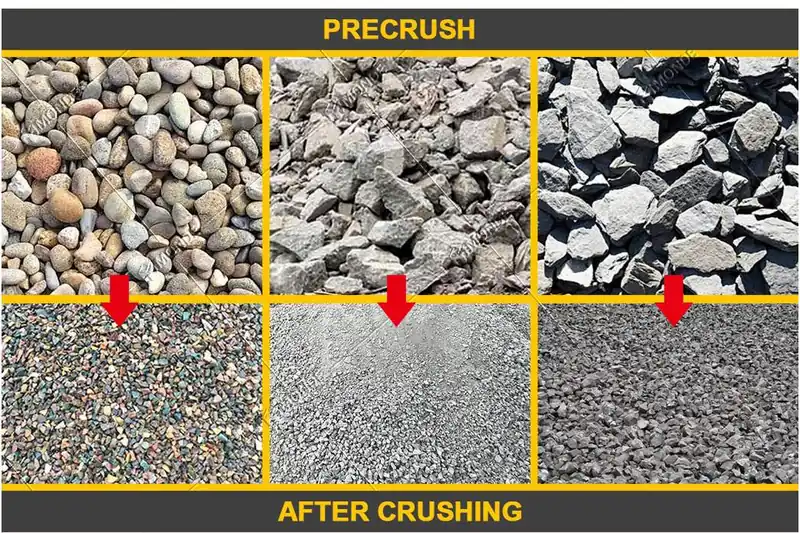
In general, reducing the jaw crusher setting tends to shift the product toward smaller sizes, while increasing CSS tends to produce a coarser product. The exact curve is material- and machine-dependent. A tighter setting may also reduce effective capacity, increase fines, raise recirculation if the screen is not balanced, and increase stress or wear.
A wider jaw crusher setting may improve flow and reduce the risk of choking in some feeds, but the output may require more work downstream. If a screen sends too much oversize back to the crusher, the plant can become limited by recirculating load rather than fresh feed.
| Setting Change | Likely Product Effect | System Question |
|---|---|---|
| Decrease CSS | Finer overall distribution and potentially more fines | Can throughput, wear, and power remain acceptable? |
| Increase CSS | Coarser distribution and often easier material flow | Can the screen or next crusher handle more oversize? |
| Keep CSS, change feed | Product may still change | Did hardness, moisture, shape, or fines content change? |
| Keep CSS, allow wear to progress | Effective product control may drift | Is the measurement still accurate at the worn profile? |
Why a Smaller Setting Is Not Always Better
Buyers sometimes assume that a smaller jaw crusher setting automatically creates a more valuable product. That is only true when the downstream process and intended use benefit from the finer distribution. Extra fines can be undesirable, and an overly tight jaw crusher setting may lower the overall efficiency of the plant.
Primary crushing should prepare material for the next stage. If the project needs a tightly graded aggregate, screening is essential, and secondary crushing may be required. The primary jaw should not be evaluated as if it were a complete grading plant.
A USGS overview of the natural aggregates industry explains that crushed stone is separated to desired specifications through screening, classifying, and washing circuits. In practice, the jaw crusher setting and screen arrangement must be planned as one system.
Measure the Starting Condition
Before adjusting anything, document the current jaw crusher setting and operating condition. Record the jaw crusher setting using the approved method, feed material, maximum feed size, moisture, approximate fines content, feed rate, operating hours on the wear parts, screen configuration, and the reason for the proposed change.
Take a representative output sample after the machine reaches steady operation. A handful from the top of the stockpile is not representative because material can segregate as it falls. Use the site’s safe sampling procedure and collect enough increments to reflect the full stream or stockpile.
- Confirm the machine is mechanically ready and no unresolved defect is influencing performance.
- Use one clearly identified feed source for the test.
- Measure the jaw crusher setting with the CSS method specified for the model.
- Record jaw plate condition and operating hours.
- Keep the screen aperture and downstream configuration unchanged during the comparison.
- Define the acceptance measure before the test, such as oversize percentage or usable screened fraction.
Use a Controlled Test Procedure
Change one major variable at a time. If the team changes the jaw crusher setting, loader rhythm, material pile, and screen deck in the same test, the result cannot be attributed to the jaw crusher setting. Controlled testing makes the final recommendation easier to defend.
- Select a representative, reasonably uniform feed batch.
- Verify guarding, exclusion zones, and the approved adjustment and isolation procedure.
- Measure and record the starting CSS.
- Run long enough to reach stable feed and discharge conditions.
- Collect a representative product sample using the site procedure.
- Measure the agreed indicators: size distribution, oversize, fines, throughput, recirculation, or operating stability.
- Make a permitted incremental adjustment and repeat under comparable conditions.
- Choose the setting from the complete system result, not appearance alone.
Do not adjust a jaw crusher setting while bypassing guards or isolation requirements. Adjustment mechanisms vary, and stored energy can be hazardous. Only trained personnel should use the model-specific procedure.
Read the Product Pile
The product pile can reveal a jaw crusher setting problem, but visual inspection is a screening tool, not a complete test. A sudden increase in long, flat pieces may reflect feed shape or jaw wear. More fines may come from a tighter setting, softer material, dry feed, or repeated crushing. Coarse lumps may indicate a wider gap, wear, or bridging that produces irregular flow.
Look at consistency over time. If the beginning of the shift looks acceptable but the product becomes coarse later, record feed changes, chamber level, wear, and heat. A jaw crusher setting cannot compensate for every material variation.
When output is intended for reuse, the buyer should define the actual acceptance criteria. “Small enough” is not a specification. State the screen size, intended layer or downstream process, maximum oversize, and whether fines are useful or must be controlled.
Coordinate the Crusher With a Screen
A screen separates the product created by the jaw crusher setting into size fractions. Its aperture, deck area, loading, inclination, vibration, and moisture condition affect separation. If the screen is overloaded or blinded by wet fines, changing the jaw crusher setting may not solve the final-product problem.
In an open circuit, material passes through the crusher and then leaves the process or goes to separate handling. In a closed circuit, screen oversize returns for additional crushing. Closed-circuit control can improve the top-size result, but excessive return load consumes capacity and can hide an upstream mismatch.
| Circuit Situation | Useful Setting Goal | Risk to Watch |
|---|---|---|
| Crusher only, no screen | Reduce material for transport or general fill | Product remains broadly graded |
| Crusher followed by screen | Feed the screen without excessive oversize | Screen overload or blinding |
| Closed circuit with return | Balance fresh feed and recirculation | Return load limits plant capacity |
| Primary plus secondary crusher | Prepare consistent feed for the next crusher | Primary jaw set too tight for its role |
Account for Feed and Wear
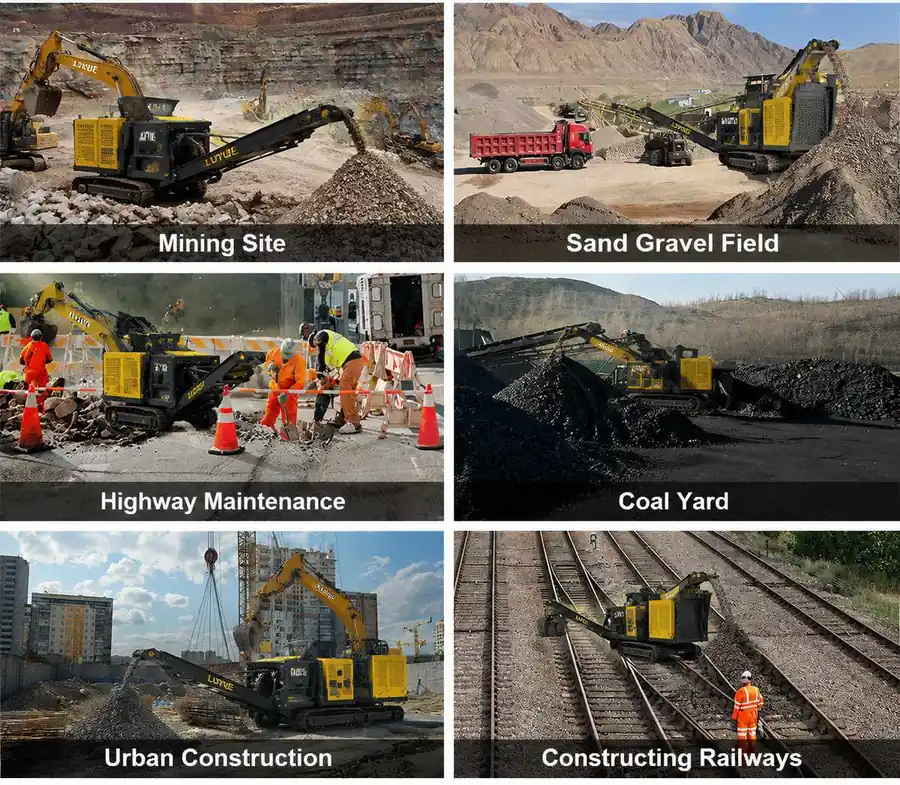
Feed material changes the result of a jaw crusher setting. Hard, abrasive stone responds differently from softer limestone, recycled concrete, brick, or mixed demolition material. Moist clay and excessive fines can restrict flow. Elongated feed may bridge. These differences can alter both capacity and product at the same nominal jaw crusher setting.
Jaw plate wear changes chamber geometry and can make the effective jaw crusher setting behavior drift. Record where wear is concentrated. If plates wear unevenly, investigate feed presentation, material distribution, and whether the machine is consistently loaded to one side.
A jaw crusher setting measurement should be repeated after maintenance, plate changes, or a noticeable product shift. Do not assume the displayed value and the physical gap remain identical under all wear conditions. Follow the manufacturer’s calibration and measurement instructions.
Troubleshooting an Unstable Product Size
| Symptom | Check First | Possible Next Step |
|---|---|---|
| Product gradually becomes coarser | CSS measurement and jaw wear | Verify setting and inspect plate profile |
| Too many fines | Feed material, moisture, and CSS | Test a modestly wider setting or revise circuit role |
| Oversize appears intermittently | Feed surges, bridging, and screen performance | Stabilize feed and inspect separation |
| Capacity falls after tightening | Chamber level, power, return load, and discharge | Compare total usable output, not crusher discharge alone |
| Same setting gives different result | Material source and gradation | Separate test batches and document feed changes |
Jaw crusher setting troubleshooting should begin with measurement. If the team changes the jaw crusher setting every time the pile looks different, it may chase normal feed variation and create a new capacity problem. Confirm the symptom with sampling and review the previous shift record.
Record the Setting as Operating Data
A useful jaw crusher setting log connects CSS to results. Record date, material source, feed condition, jaw crusher setting, wear hours, feeder rate, screen setup, estimated fresh feed, recirculation observation, product sample, and operator notes. Keep photographs linked to the same test ID.
This log becomes valuable when the project changes material or output requirements. Instead of starting from memory, the team can identify which jaw crusher setting previously produced an acceptable screen feed and what tradeoffs appeared.
For realistic production planning, pair the setting log with the crusher capacity planning guide. Capacity should be evaluated as usable product per operating period, including stops, screening, rehandling, and maintenance.
Buyer Specification Checklist
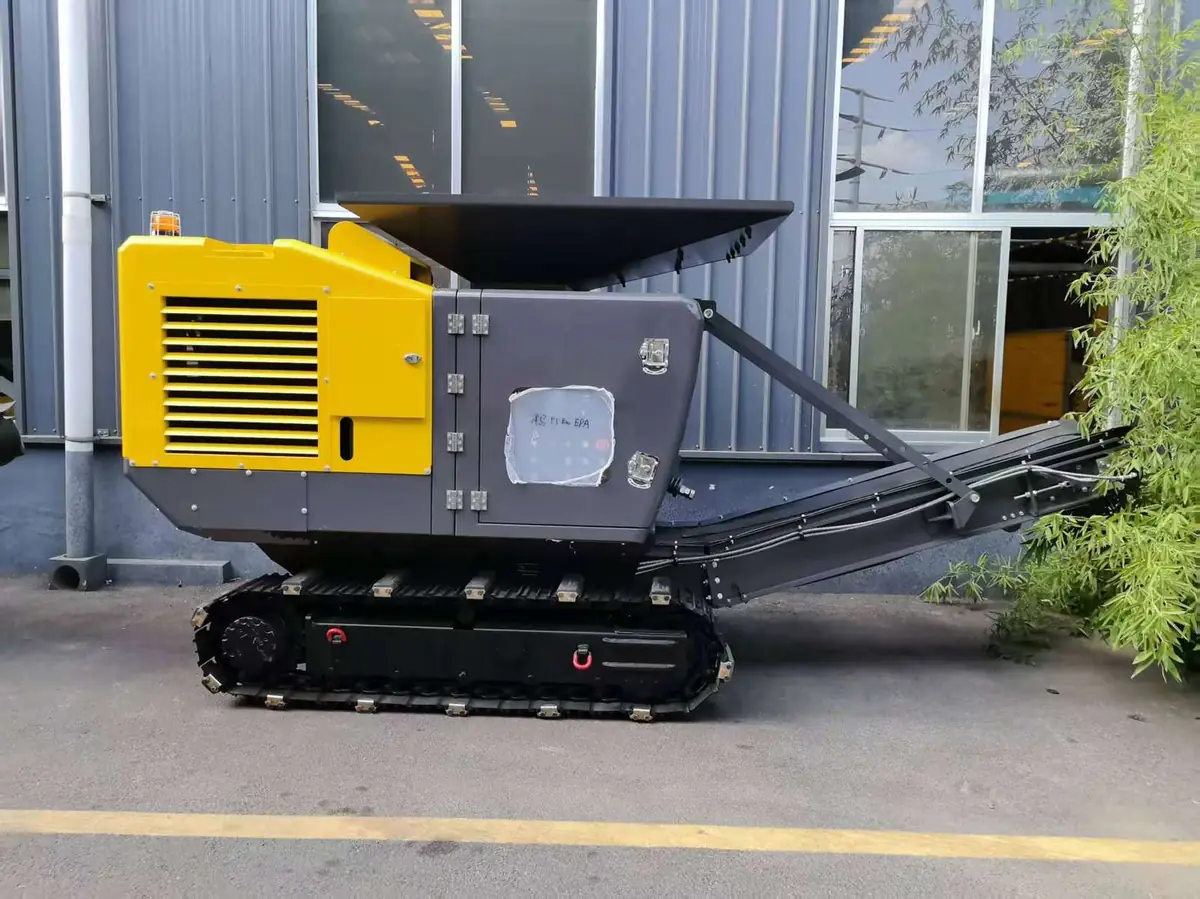
Before requesting a machine recommendation, describe the input and desired output in measurable terms. A supplier cannot select a jaw crusher setting or model accurately from the material name alone. Send photographs with a scale, representative feed samples where practical, and the downstream flow diagram.
- Material type, hardness description, abrasiveness, moisture, clay, and contamination.
- Maximum lump dimensions and normal feed-size distribution.
- Required final fractions, top size, fines tolerance, and intended use.
- Screen aperture, number of products, and whether oversize will recirculate.
- Target operating hours, loading equipment, stockpile space, and site access.
- Expected wear-parts support, measurement tools, manuals, and operator training.
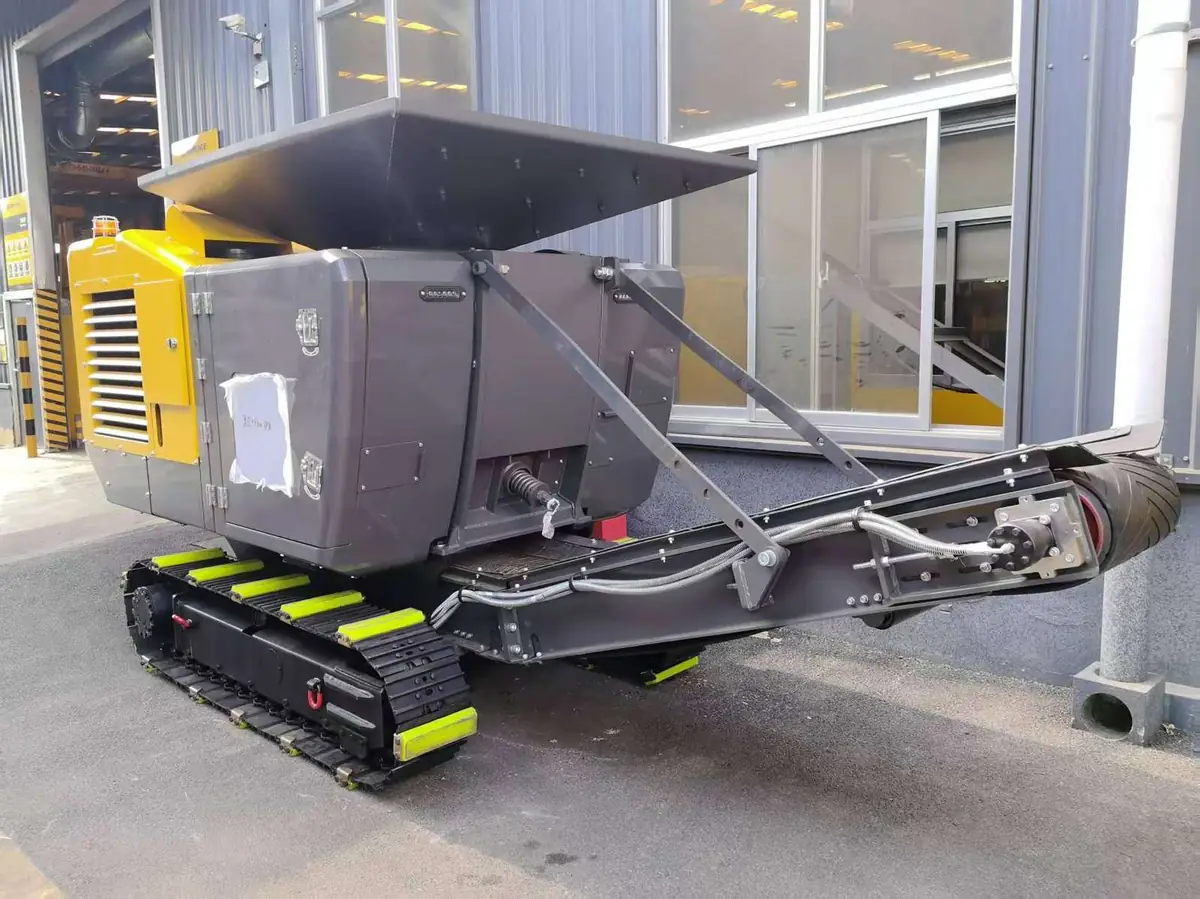
The Luyue crawler jaw crusher category and LY30 and LY50 product page provide a starting point for model discussions. The final jaw crusher setting should be confirmed during commissioning with the buyer’s representative feed and downstream arrangement.
Comparison Table
| Buyer Priority | Setting Direction to Test | What Must Also Be Checked |
|---|---|---|
| Reduce top size | Test a smaller CSS in permitted increments | Throughput, fines, wear, power, and screen load |
| Increase primary throughput | Test a larger CSS if downstream equipment allows | Oversize and secondary-stage capacity |
| Limit fines | Avoid unnecessary reduction in the primary jaw | Feed breakage behavior and screen efficiency |
| Stabilize screened product | Hold CSS steady during controlled tests | Feed consistency, wear, and screen condition |
| Reduce recirculating load | Optimize primary product for the screen | Return conveyor and fresh-feed balance |
Supplier Questions
- What jaw crusher setting range is approved for the proposed model and jaw profile?
- How is CSS measured safely and what tools are supplied?
- How does the expected material affect the recommended starting point?
- What product-size information is based on tests, and under which feed conditions?
- How should wear be monitored and when should jaw plates be turned or replaced?
- What screen or recirculation arrangement is recommended for the target fractions?
- What commissioning data should the buyer record during the first production tests?
FAQ
Is CSS the same as the maximum output size?
No. A jaw crusher setting is the minimum jaw gap at the closed position. The product is a distribution, and some particles may be larger than the CSS depending on shape, feed, chamber behavior, and screen arrangement.
Does a smaller CSS always reduce capacity?
It often increases reduction and may reduce throughput, but the exact effect depends on the crusher, feed, chamber level, wear, and circuit. Test total usable output rather than assuming a fixed relationship.
How often should the setting be measured?
Follow the manufacturer’s procedure and measure after adjustment, maintenance, wear changes, or an unexplained product shift. High-wear applications may need more frequent checks.
Can a jaw crusher produce a single aggregate size?
A jaw crusher produces a range of sizes. A screen is normally required to separate defined fractions, and secondary crushing may be needed when the specification is tighter.
Why did output size change when CSS did not?
Feed hardness, gradation, moisture, fines, chamber level, jaw wear, and screen performance can change the product even when the recorded CSS is unchanged.
Conclusion
A jaw crusher setting should be managed as part of the complete material circuit. Measure the gap correctly, hold other variables steady during testing, sample the product, and evaluate usable screened output, wear, and operating stability together.
To discuss a model and starting jaw crusher setting, send your feed-size photos, material description, required product fractions, screen plan, and destination country through the Luyue Machinery contact page. Clear input data allows a more useful technical recommendation.