
Table of Contents
Introduction
A limestone crusher is useful when contractors or material yards need to reduce bulky mineral waste into material that is easier to handle, screen, stockpile, or reuse. For buyers working in quarry primary crushing, road construction aggregate preparation, construction material processing, and mobile stone reduction, the main question is not simply whether the machine can crush hard material. The real question is whether the whole workflow will produce usable output.
This guide explains how to evaluate a limestone crusher from a practical equipment buying perspective. It is written for quarry operators, aggregate producers, road contractors, mining support buyers, and equipment dealers, especially buyers comparing tracked mobile crushing equipment for changing worksites.
A good limestone crusher decision starts with the feed pile, not the brochure. Material size, contamination, moisture, hardness, loader method, output target, screening plan, and parts support all affect whether the crusher will perform reliably after delivery.
- Define the raw material before choosing a limestone crusher.
- Match the limestone crusher with the desired final material use, not only with capacity claims.
- Plan feeding, discharge, screening, and stockpiling before the machine arrives.
- Review wear parts, cleaning access, operator checks, and spare parts support before purchase.
What Is a Limestone Crusher
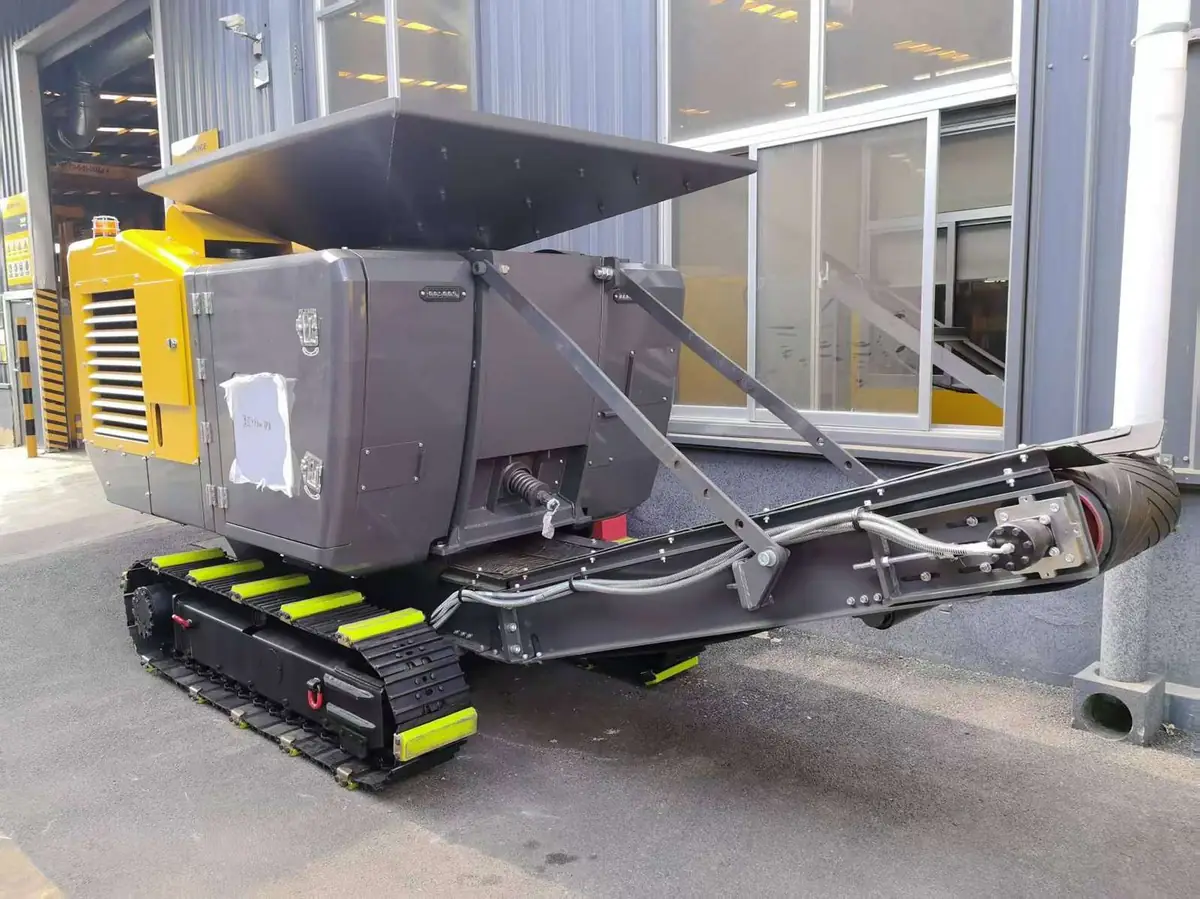
A limestone crusher is crushing equipment selected to reduce limestone, quarry stone, construction aggregate feed, road base material, and mixed natural stone. In mobile applications, the machine is usually expected to move closer to the material pile and reduce hauling, loading, and handling steps.
The material background matters. Buyers can review a neutral limestone material reference at this reference page, but the equipment decision still depends on the actual condition of the feed on site.
For search intent, the short answer is this: a limestone crusher is best evaluated as part of a crushing workflow that includes feed preparation, jaw setting, output inspection, screening if required, and finished material handling.
When This Crusher Type Makes Sense
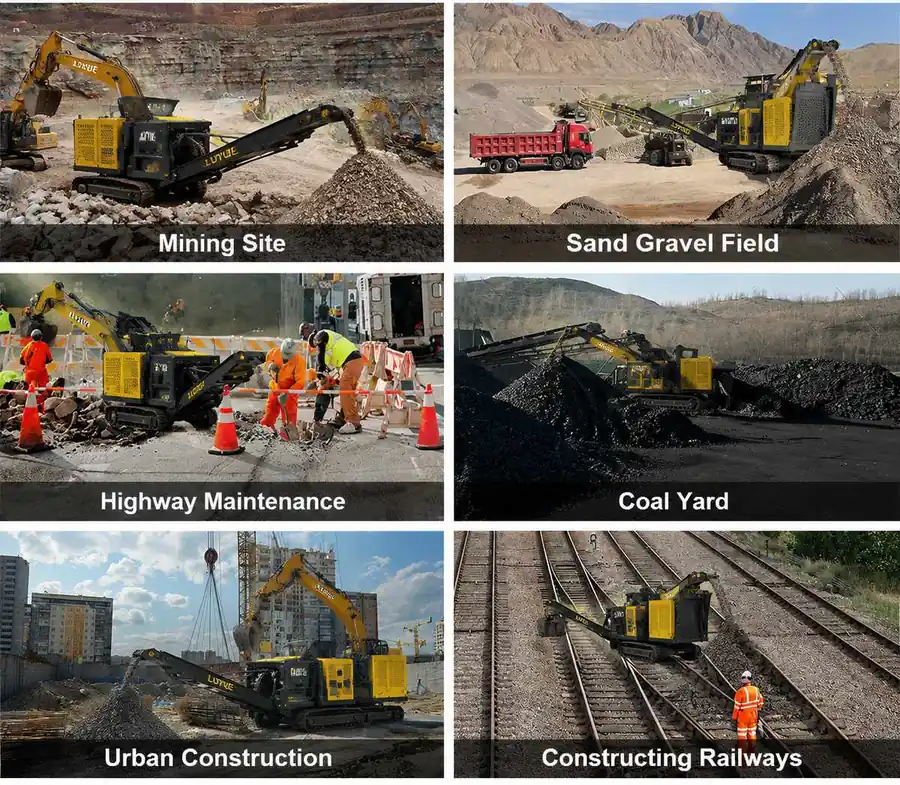
A limestone crusher makes sense when the material is too bulky for efficient transport or when a buyer wants to process material near the source. This can be useful on demolition sites, road projects, quarries, recycling yards, and rental fleet jobs.
| Scenario | Main Concern | Setup Note |
|---|---|---|
| Small quarry operation | Needs practical primary reduction without a full fixed plant | Review feed size, discharge space, and loader match |
| Road construction supply | Output may need screening or blending after crushing | Define final material use before choosing settings |
| Hard limestone feed | Wear and jaw setting become more important | Discuss material condition and daily hours with the supplier |
| Mobile project sites | Tracked movement can reduce hauling and setup effort | Plan access, slopes, and stockpile location early |
| Aggregate yard processing | Material handling decides real productivity | Coordinate crusher, screen, loader, and finished pile layout |
The machine should not be chosen only because it can crush. A limestone crusher should be selected because it can fit the site, handle the feed condition, and produce material that has a practical next step.
Feed Material and Pre-Sorting
Feed preparation has a direct effect on productivity. A limestone crusher can work more consistently when oversized pieces, foreign material, and contamination are controlled before feeding.
Buyers should prepare photos or videos of the raw pile, including the largest pieces and any mixed material. This is more useful than a general description because the same material name can cover very different site conditions.
For a limestone crusher, pre-sorting should remove obvious wood, loose metal, excessive soil, and material that does not belong in the final product. If the feed is mixed with concrete, stone, asphalt, or clay-rich soil, that should be discussed before model selection.
- Measure the largest expected feed piece before choosing the jaw opening.
- Check whether material is clean, mixed, wet, dusty, or soil-contaminated.
- Prepare the loader or excavator feeding method before the crusher arrives.
- Keep unsuitable material out of the final recycled pile.
- Use a first test pile to confirm whether output and fines are acceptable.
Output Size and Screening Plan
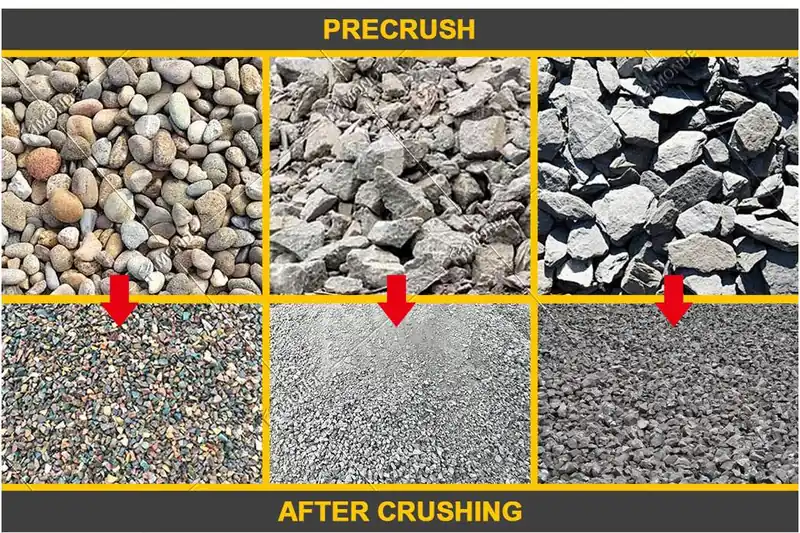
Output size should be tied to the final use. A limestone crusher can reduce feed material, but a crusher alone does not create a perfectly uniform product. Screening may be needed when the buyer requires a tighter size range.
Before ordering, define whether the finished material will be used as fill, road base feed, screened aggregate, stockpile material, or input for another processing stage. That decision affects jaw setting, oversize handling, and whether a screen should be used.
For a deeper explanation of sizing, see Luyue’s jaw crusher output size guide. A limestone crusher should be discussed together with output range, not only with throughput.
| Output Question | Why It Matters |
|---|---|
| What final size range is acceptable? | Prevents unrealistic expectations from one crusher setting |
| Is oversize material acceptable? | Determines whether re-crushing or screening is needed |
| Will fines be useful or unwanted? | Affects stockpile value and downstream handling |
| Will the material be blended? | May require more consistent sizing before reuse |
| Will the output be sold or only reused internally? | Influences how closely the buyer must control quality |
Mobile vs Stationary Setup
A mobile setup is useful when the crusher must move between piles, jobsites, or project phases. A stationary setup may suit a fixed yard with stable material flow. Buyers should compare mobility needs before deciding which limestone crusher configuration makes sense.
Tracked mobile crushing can reduce material movement, but it still needs access, safe positioning, and enough room for feeding and discharge. If the site is very tight, the buyer should review machine dimensions, turning space, and transport method.
A limestone crusher used in mobile work should be easy to inspect, clean, and reposition. For rental fleets and contractors, this practical usability can matter as much as published capacity.
Model Selection Factors
The right limestone crusher depends on feed size, material hardness, daily working hours, mobility needs, output target, and maintenance support. Luyue’s LY30 and LY50 mobile jaw crusher models can be evaluated according to compact access needs or heavier processing demand.
| Selection Factor | What to Check | Why It Matters |
|---|---|---|
| Feed size | Largest expected piece before crushing | Determines whether the jaw opening and feeding method are suitable |
| Material condition | Clean, mixed, wet, dusty, or contaminated feed | Affects output consistency and maintenance needs |
| Mobility | How often the machine must move | Helps decide whether tracked design is valuable |
| Operating hours | Daily or weekly working schedule | Supports model, wear part, and service planning |
| Support | Spare parts, guidance, and supplier response | Reduces downtime after delivery |
For production planning, buyers can also review Luyue’s crusher capacity planning guide. A limestone crusher should be evaluated by real output conditions rather than brochure capacity alone.
Site Workflow and Stockpile Planning
Site layout often decides whether a limestone crusher feels efficient in daily work. The loader path, feed pile, discharge pile, oversize handling area, and maintenance access should be planned before the machine arrives.
Poor layout creates double handling. Material may be crushed, moved, mixed, and moved again simply because the finished pile is in the wrong place. Good layout keeps raw feed, oversize, screened material, and finished product separated.
- Place raw feed where the loader can work without crossing finished material.
- Keep enough clearance around the machine for inspection and maintenance.
- Separate oversize from usable output during the first test run.
- Plan dust control according to site rules and local conditions.
- Make stockpile labels clear in recycling yards that process multiple materials.
A limestone crusher performs best when operators understand the whole material route from raw pile to final stockpile.
Common Buying Mistakes to Avoid
Many purchasing problems begin before the order is placed. Buyers may ask for the largest possible capacity, but they may not define how the material will be fed, where oversize will go, or whether the final pile has a real use. A limestone crusher can only support the project when these details are clear.
Another common mistake is treating all mineral feed as the same. Even within one project, the pile may include clean material, reinforced pieces, soil, wet fines, or oversized blocks. Those differences affect the crusher setting, jaw wear, cleaning routine, and finished product quality.
A practical buyer should also avoid choosing a limestone crusher without checking service access. The machine should be easy to inspect, and the supplier should explain routine checks in plain language. If operators cannot reach cleaning and inspection points comfortably, small issues can become avoidable downtime.
- Do not compare models only by headline capacity.
- Do not ignore the loader, excavator, screen, and stockpile layout.
- Do not assume one discharge setting will satisfy every final material requirement.
- Do not delay spare parts planning until after the first wear problem appears.
Wear Dust and Maintenance
Wear planning should be part of every limestone crusher purchase. Jaw plates, belts, pins, guards, hydraulic components, undercarriage parts, and cleaning points all affect long-term ownership.
Dust can also affect operation and site safety. Buyers should follow local rules and workplace procedures. OSHA provides general information about respirable crystalline silica, which may be relevant when crushing mineral-based materials.
Maintenance should be practical, not theoretical. Ask how often common checks should be done, which spare parts should be stocked, and how quickly replacement parts can be supplied for the chosen limestone crusher.
Buyer Checklist
Use this checklist before asking for a quotation. It gives the supplier enough context to recommend a suitable limestone crusher instead of guessing from a material name alone.
| Question | Why It Matters |
|---|---|
| What material will be crushed? | Confirms whether the machine is being matched to the right feed |
| What is the largest feed size? | Guides jaw opening and feed preparation |
| Is the material clean or mixed? | Affects sorting, wear, output quality, and maintenance |
| What final output range is needed? | Determines settings and screening requirements |
| How will the crusher be fed? | Connects loader size and feed rhythm with machine use |
| How often will the machine move? | Clarifies whether tracked mobility is important |
| What support do you need after delivery? | Helps plan parts, training, and troubleshooting |
For supplier evaluation, see Luyue’s jaw crusher supplier evaluation guide. A limestone crusher is a technical purchase, so the supplier should ask detailed questions before recommending a model.
Why Choose Luyue Machinery
Luyue Machinery supplies compact and mobile crushing equipment for contractors, recycling companies, quarry buyers, rental fleets, and machinery dealers. When evaluating a limestone crusher, Luyue can discuss material condition, feed size, output goals, machine mobility, spare parts, and shipping requirements.
To request a recommendation, send material photos, maximum feed size, desired output, site layout, operating hours, and destination country through the Luyue Machinery contact page. Clear project details help avoid under-sizing or over-sizing.
A well-selected limestone crusher should help the buyer reduce handling, control material flow, and prepare feed for reuse, screening, or further processing.
FAQ
What is the best feed size for a limestone crusher?
The best feed size depends on the crusher model and jaw opening. Buyers should measure the largest expected pieces and share photos before choosing a machine.
Can a limestone crusher handle mixed construction waste?
It may handle mixed mineral-based waste after basic sorting, but wood, loose metal, excessive soil, and unsuitable material should be removed before feeding.
Do I need a screen after crushing?
A screen is useful when the final material must meet a tighter size range. Crushing reduces material, while screening separates usable product from oversize and fines.
Is a tracked mobile crusher better than a stationary setup?
Tracked mobility is useful when the machine must move between piles or jobsites. A stationary setup may be better for a fixed yard with consistent feed and space.
What information should I send before requesting a quote?
Send material type, feed size, contamination level, desired output, site photos, working hours, feeding method, destination country, and whether screening will be used.
Conclusion
A limestone crusher should be chosen around real material, real site constraints, and real output goals. The strongest buying decision connects feed preparation, jaw crushing, screening, stockpiling, maintenance, and supplier support.
For contractors and recycling buyers, the goal is not just to crush material. The goal is to create a usable product with fewer handling steps and less uncertainty. A practical discussion with Luyue can help match the limestone crusher to the project before shipment.