
Table of Contents
Introduction
A clear jaw crusher output size target helps buyers connect crushing equipment with the material they actually need after processing. Many buyers ask about crusher capacity first, but output size often decides whether the machine will actually fit the job. If the finished material is too large, it may require a second pass. If it is too small, it may not match the intended reuse or resale purpose.
This guide explains how to think about jaw crusher output size when evaluating mobile jaw crushers for concrete recycling, road base preparation, quarry work, and general aggregate production. It is written for contractors, dealers, rental fleets, and international machinery buyers who need practical selection criteria rather than generic specifications.
- jaw crusher output size fit: best when final material requirements are known before model selection.
- jaw crusher output size risk: inconsistent feed and unclear discharge targets can reduce production value.
- jaw crusher output size support: buyers should ask the supplier to connect settings with real material conditions.
- jaw crusher output size value: strongest when crushing, screening, and stockpiling are planned as one workflow.
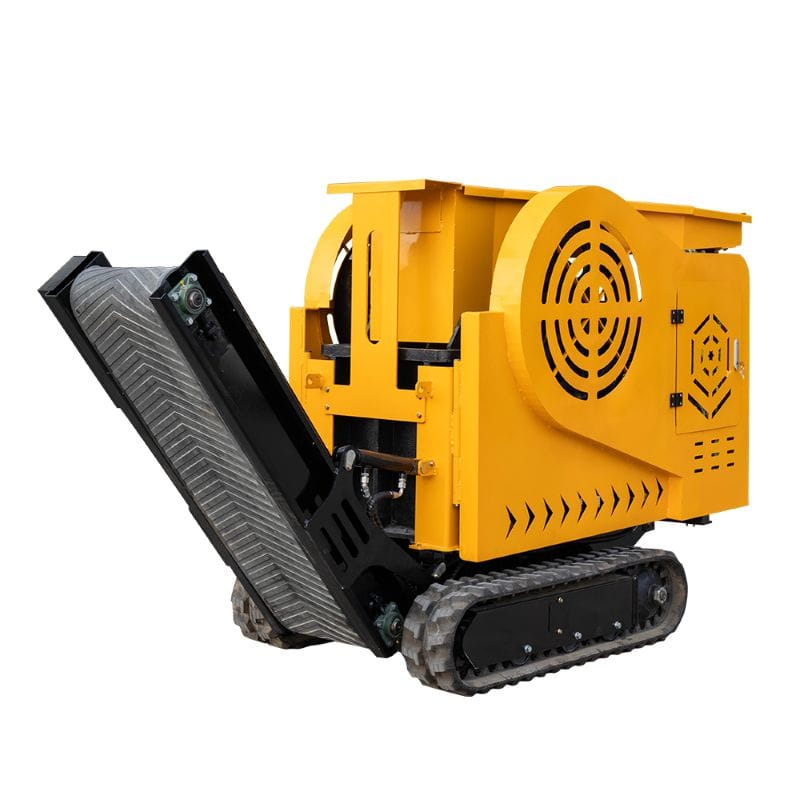
Why Output Size Matters Before Machine Selection
The right jaw crusher output size is not only a machine setting; it is the result of feed size, jaw adjustment, material behavior, and downstream handling. The output target affects the jaw opening, discharge setting, screen choice, conveyor layout, and how finished material is stored. A buyer who says only that the material must be “small” has not provided enough information for a responsible recommendation.
For construction waste recycling, finished material may be used as backfill, road base, temporary access material, or feed for another processing stage. For quarry work, the output may need to match screening equipment or customer aggregate requirements. Each use creates a different output expectation.
When buyers define jaw crusher output size early, supplier recommendations become more accurate and site planning becomes easier. Buyers should define a target range rather than a single perfect number. Real crushed material contains a distribution of sizes, so the practical question is whether most of the finished material falls into a usable range.
What Controls Final Material Size
A poorly planned jaw crusher output size can create extra screening, re-crushing, hauling, or stockpile management work. Several factors control final material size. The discharge setting is important, but it is not the only variable. Feed size, feed shape, material hardness, moisture, jaw plate condition, and loading rhythm all influence the result.
| Factor | Effect on Output | Buyer Action |
|---|---|---|
| Discharge setting | Controls the approximate maximum product size | Confirm the adjustment range before ordering |
| Feed size | Large or uneven pieces can create unstable crushing | Prepare feed to match the jaw opening |
| Material hardness | Hard rock may fracture differently from concrete | Discuss material type with the supplier |
| Jaw plate wear | Worn profiles can reduce crushing consistency | Plan inspection and replacement intervals |
| Screening workflow | Separates usable product from oversize | Decide whether a screen is needed after crushing |
For mobile crushing projects, jaw crusher output size should be discussed together with loader operation, discharge flow, and final material use. The safest procurement approach is to describe the desired finished material and the raw feed material together. That lets the supplier discuss whether the target is realistic with one pass or whether screening and recirculation should be considered.
Common Output Goals in Recycling and Aggregate Work
Professional buyers should treat jaw crusher output size as a production requirement, not as a vague preference. Different applications need different finished material. Demolition contractors may want reduced concrete that is easy to haul. Road contractors may want material suitable for base layers. Quarry operators may need a controlled feed for screening or secondary crushing.
| Application | Typical Output Priority | Planning Note |
|---|---|---|
| Concrete recycling | Consistent reduced size for reuse or transport | Sort rebar and oversize before feeding |
| Road base work | Usable gradation and manageable fines | Consider screening after crushing |
| Small quarry operation | Primary reduction for further processing | Match output to downstream screen capacity |
| Rental fleet use | Flexible setting range for different customers | Choose simple adjustment and clear controls |
| Municipal maintenance | Predictable material for small repair projects | Plan dust and traffic control around the crusher |
A clear jaw crusher output size target helps buyers connect crushing equipment with the material they actually need after processing. In all cases, the output target should be tied to a real use. Without that connection, buyers may overpay for capacity they do not need or choose a machine that creates avoidable rework.
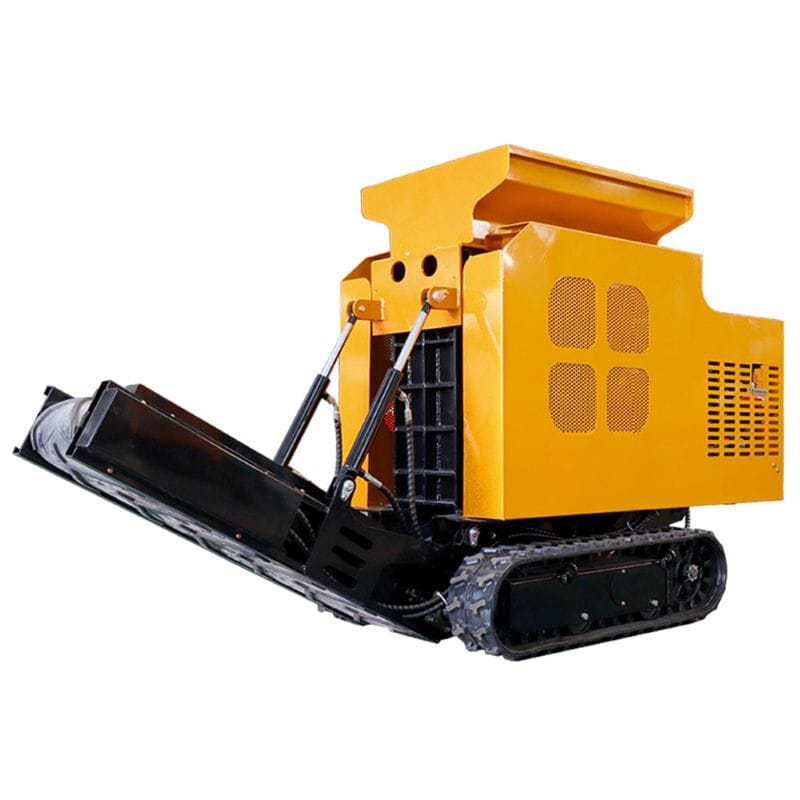
How Feed Material Changes the Result
The right jaw crusher output size is not only a machine setting; it is the result of feed size, jaw adjustment, material behavior, and downstream handling. Feed material has a direct effect on output consistency. Clean concrete blocks, mixed demolition rubble, limestone, granite, brick, and road slabs do not fracture in exactly the same way. The same machine setting may produce different material distributions in different feed conditions.
Moisture can also change the flow of material. Wet soil or clay mixed with stone can cause sticking, uneven feeding, and more cleaning work. Reinforcement in concrete can create interruptions if sorting is not handled before crushing.
When buyers define jaw crusher output size early, supplier recommendations become more accurate and site planning becomes easier. Buyers should send material photos, videos, and approximate feed dimensions before finalizing a crusher model. This step is more useful than asking for a general capacity number because it connects the machine recommendation to real site conditions.
Crusher Settings and Screening Workflow
A poorly planned jaw crusher output size can create extra screening, re-crushing, hauling, or stockpile management work. Jaw crusher settings should be planned together with screening. A jaw crusher can reduce material, but a screen may be needed when the buyer requires a tighter final size range. Without screening, the finished pile will usually contain a wider mix of sizes.
For many projects, the practical workflow is primary crushing first, then screening if the final use requires more control. Oversize material can be handled separately depending on site layout and equipment configuration. Buyers should confirm whether the project needs a simple crushed product or a screened product.
For mobile crushing projects, jaw crusher output size should be discussed together with loader operation, discharge flow, and final material use. If the target material must meet a narrow specification, the buyer should discuss the whole process instead of expecting the crusher alone to solve every size-control requirement.
Quality Checks for Finished Material
Professional buyers should treat jaw crusher output size as a production requirement, not as a vague preference. Finished material should be checked during operation, not only after the project is complete. Operators can visually inspect output, watch for oversize pieces, monitor fines, and adjust feeding or settings when the material no longer matches the desired result.
- Check the finished pile after the first test run.
- Record the discharge setting used for each material type.
- Watch for sudden changes in oversize material.
- Inspect jaw plates if output becomes less consistent.
- Confirm whether screening is needed for the final application.
A clear jaw crusher output size target helps buyers connect crushing equipment with the material they actually need after processing. Quality checks do not need to be complicated. They need to be consistent. A simple routine helps operators detect changes early and prevents a full stockpile from becoming unsuitable for its intended use.
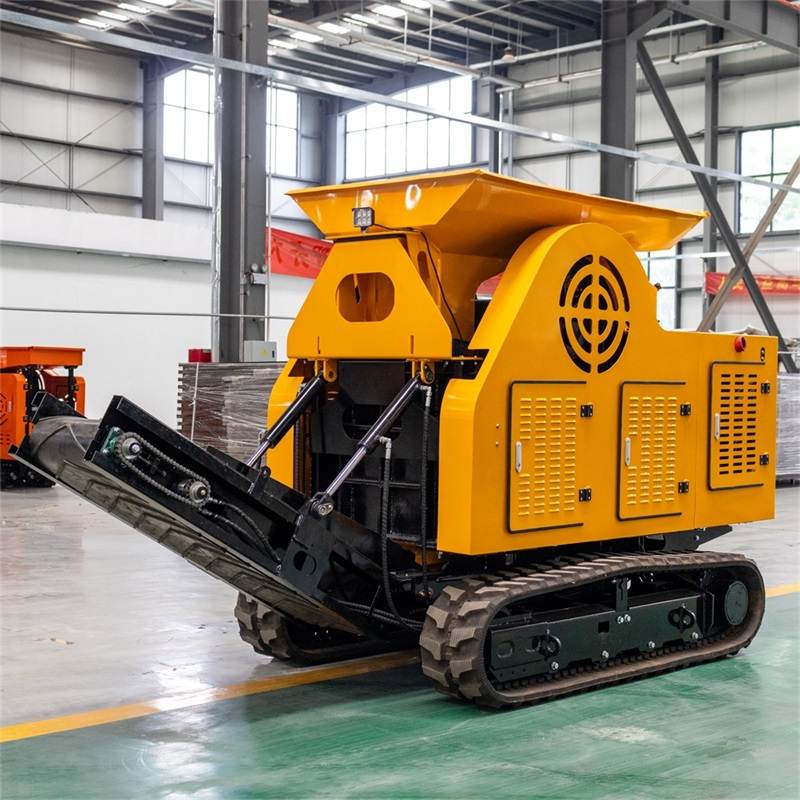
Maintenance Factors That Affect Output Consistency
The right jaw crusher output size is not only a machine setting; it is the result of feed size, jaw adjustment, material behavior, and downstream handling. Maintenance is part of output control. Worn jaw plates, loose components, damaged belts, poor lubrication, or inconsistent feeding can all change the final material. A crusher that is not maintained may still run, but it may not produce the expected result.
Operators should inspect jaw plate wear, fasteners, hydraulic components, belt tracking, and lubrication points according to the supplier’s guidance. Maintenance records also help fleet managers understand when performance changes are caused by wear rather than operator technique.
When buyers define jaw crusher output size early, supplier recommendations become more accurate and site planning becomes easier. For rental companies and dealers, maintenance documentation is especially important because different customers may use the same machine in different materials. Clear records make support decisions faster.
Buyer Checklist
A poorly planned jaw crusher output size can create extra screening, re-crushing, hauling, or stockpile management work. Before ordering, buyers should prepare a clear output-size discussion. This reduces misunderstanding and helps the supplier recommend a suitable model, setting range, and workflow.
| Question | Why It Matters |
|---|---|
| What is the intended use of the finished material? | Defines whether simple crushing is enough or screening is required |
| What is the largest expected feed size? | Helps match jaw opening and feeding method |
| What output range is acceptable? | Prevents unrealistic expectations from a single setting |
| Will the material contain rebar, soil, or clay? | Identifies sorting and cleaning needs |
| How will finished material be stockpiled? | Affects conveyor layout and site traffic |
| Who will adjust and inspect the crusher? | Connects output control with operator training |
For mobile crushing projects, jaw crusher output size should be discussed together with loader operation, discharge flow, and final material use. Buyers should also confirm spare parts availability, adjustment method, operation guidance, and whether the supplier can review real material samples before shipment.
Supplier Discussion Notes
Professional buyers should treat jaw crusher output size as a production requirement, not as a vague preference. In supplier discussions, buyers should ask how the recommended jaw crusher output size connects with their raw material and final use. A supplier should be able to explain the relationship between jaw crusher output size, discharge adjustment, feed preparation, and screening instead of giving only a general model recommendation.
If the project has strict finished-material needs, the buyer should request practical guidance on testing jaw crusher output size during commissioning. This makes it easier to confirm whether the expected jaw crusher output size can be maintained during normal work.
Common Mistakes to Avoid
A clear jaw crusher output size target helps buyers connect crushing equipment with the material they actually need after processing. One common mistake is treating output size as a fixed promise. Real output is influenced by material, feed preparation, jaw wear, and downstream screening. A responsible supplier should explain these variables rather than oversimplifying the result.
Another mistake is ignoring the final use of the material. If the finished product is only meant for easier hauling, requirements may be flexible. If it is intended for road base or aggregate sale, the buyer may need tighter control and additional screening.
The right jaw crusher output size is not only a machine setting; it is the result of feed size, jaw adjustment, material behavior, and downstream handling. Buyers should also avoid changing settings without checking machine load and material flow. Smaller settings can increase stress and reduce throughput, so adjustment decisions should balance output target with practical production.
FAQ
Can one jaw crusher setting produce a perfectly uniform product?
No. A jaw crusher produces a range of material sizes. A tighter final product usually requires screening after crushing, especially when the buyer needs a controlled aggregate range.
Is smaller output always better?
No. Smaller output can reduce throughput and increase wear if the setting is too tight for the material. The best target depends on the finished material use.
What information should I provide to a supplier?
Provide raw material type, largest feed size, desired output range, site photos, working hours, and whether screening equipment will be used. This gives the supplier enough context for a practical recommendation.
Does jaw plate wear affect output?
Yes. Worn jaw plates can reduce crushing efficiency and consistency. Regular inspection is part of keeping output predictable.
Conclusion
When buyers define jaw crusher output size early, supplier recommendations become more accurate and site planning becomes easier. Buyers who define output requirements early make better crusher decisions. The machine, feed preparation, setting range, screening workflow, maintenance plan, and final material use should all be evaluated together.
For contractors, dealers, and recycling operators, the goal is not simply to crush material. The goal is to produce material that fits the next step of the job. When jaw crusher output size is planned correctly, mobile crushing becomes easier to manage and more valuable across real projects.