
Table of Contents
Separate Debris Without Excess Soil Removal
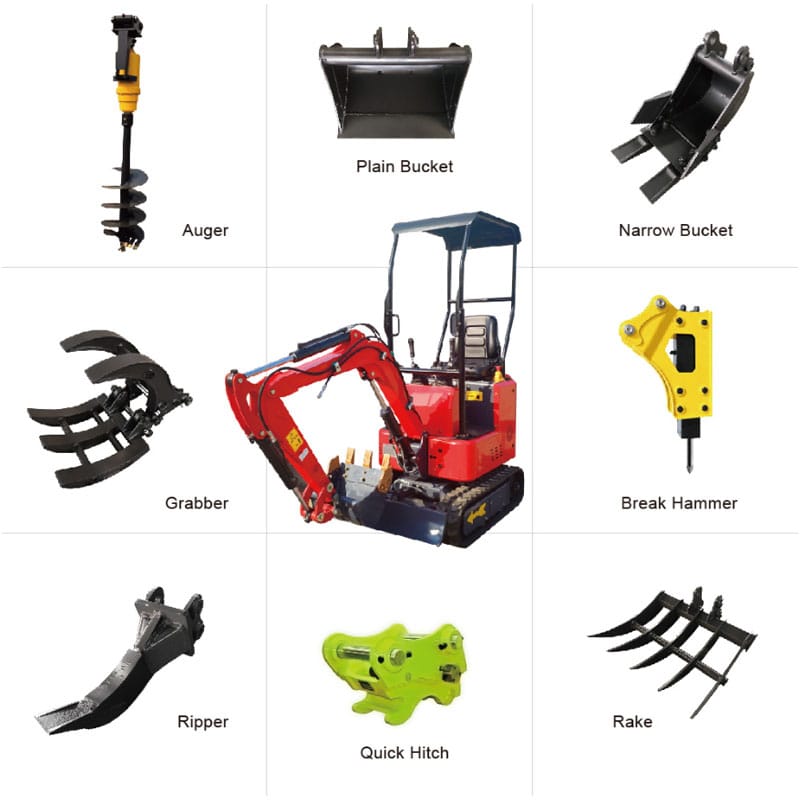
Raking can collect roots or loose debris while leaving some soil behind. The result depends on tine geometry, ground condition and the type of material being gathered. When comparing an excavator rake, start with the condition that can rule an option out.
Excavator rake: Evidence to Request
Review tine spacing, structural design, mass and mounting dimensions. Clarify whether the task involves loose material or demands digging beyond the tool's purpose. Keep the information for an excavator rake tied to the configuration being offered.
Excavator rake: Compare the Options
Closely spaced tines may retain smaller debris but collect more soil. Wider spacing can leave finer material behind and miss smaller pieces. Compare an excavator rake using equivalent conditions and clearly identified limits.
An Evaluation Table for Excavator rake
| Review item | Evidence to obtain | Decision it supports |
|---|---|---|
| Configuration | Review tine spacing, structural design, mass and mounting dimensions. | Verify the actual offered arrangement. |
| Alternative | Closely spaced tines may retain smaller debris but collect more soil. | Compare the relevant tradeoff. |
| Acceptance | A dated, model-specific record of the agreed check. | Identify what was checked and what remains open. |
Put the Decision Into a Work Plan
Define the cleanup target and permitted disturbance. Confirm the rake's approved uses with the supplier and plan disposal of the collected material. Record the decision about an excavator rake before confirming the order or work arrangement.
Confirm the Complete Combination
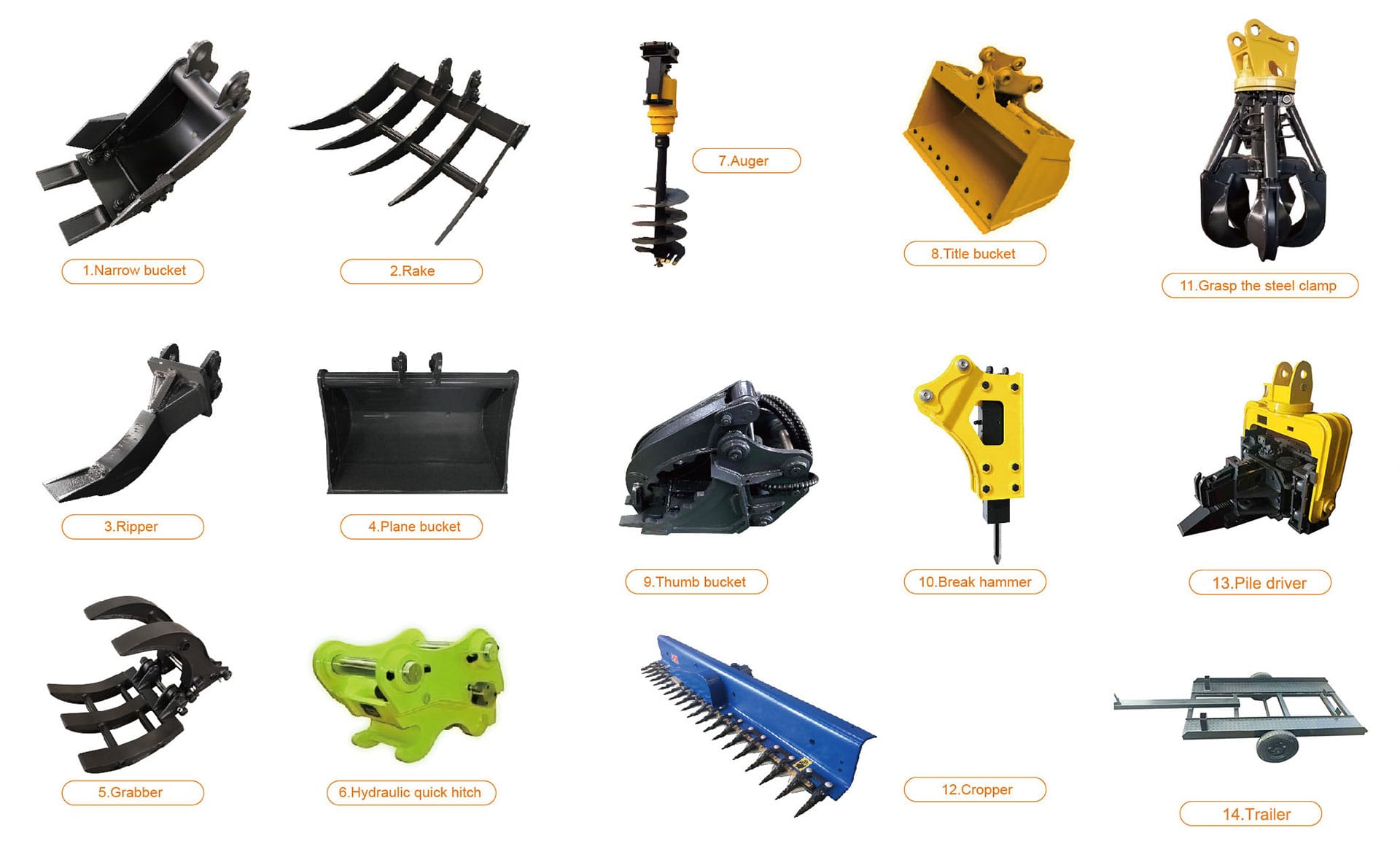
Treat the carrier, interface, tool and controls as one configuration. Ask the responsible suppliers to verify the proposed pairing and provide its operating information. Record any restrictions in the handover pack. A shared connector or similar mounting shape cannot establish every performance and safety requirement.
Plan the Operating Controls
Use the documented attachment fitting and retention checks for the actual carrier. Keep people clear during changes and verify the approved locking arrangement before work. Mechanical fit alone does not establish that the complete tool and carrier combination is suitable.
For independent background, see HSE quick-hitch guidance. Apply the relevant local requirements and the equipment manufacturer’s instructions to the actual operation.
Discuss Excavator rake With Luyue
Review the Luyue excavator accessory range and send your application requirements to Luyue Machinery. Include the material or task, access conditions, required configuration and delivery destination. Ask for current model information and written confirmation of any proposed options. Availability and suitability should be confirmed for the specific order. Tools and replacement parts discussed here are evaluation examples; confirm current availability and carrier approval before ordering.
Excavator rake: Buyer Questions
Can a rake replace every digging bucket task?
No. Use it within its intended function and carrier limits, with a separate tool for operations it is not designed to perform.
What can tine spacing change?
It affects which debris is retained and how much smaller material may remain or fall through.
Why define acceptable soil disturbance?
The cleanup objective may require collecting debris without removing excessive useful soil.
Is physical connection proof of suitability?
No. Verify the complete configuration, including operating limits, controls, installation and any hydraulic requirements.
What should I send to Luyue for a relevant response?
Send the task description, limiting dimensions, intended configuration and destination. Include model or serial information when discussing an existing machine or replacement part. Request current documentation rather than relying on a photograph alone.