
tabla de contenido
comienzo
Se debe seleccionar un proveedor de trituradoras de mandíbula alrededor del material, el operador y el sitio de trabajo en lugar de un solo número de folleto. Los compradores generalmente no buscan una descripción de máquina genérica. Quieren entender si el equipo puede resolver un problema de producción específico sin crear nuevos retrasos en la carga, transporte, mantenimiento o gestión del sitio.
Esta guía está escrita para importadores, comerciantes, empresas de alquiler y contratistas que compran maquinaria de proveedores extranjeros. Se centra en la evaluación de proveedores para compradores de exportación, especialmente cuando el material de trabajo incluye hormigón, piedra, ladrillo, pienso agregado y residuos de construcción mixta. El objetivo es ayudar a los compradores a evaluar el equipo de manera práctica antes de solicitar una cotización o organizar una discusión de fábrica.
Para la gama de productos trituradoras de Luyue Machinery, los compradores pueden comenzar desde el Proveedor de trituradora de mandíbula modelos relacionados y luego confirme la configuración final de acuerdo con el material de alimentación real, el tamaño de salida esperado y las condiciones del sitio.
- Proveedor de trituradora de mandíbula Ajuste: mejor cuando el trabajo requiere una reducción práctica del tamaño cerca de la fuente de material.
- Riesgo del proveedor de la trituradora de mandíbula: el rendimiento cae cuando el tamaño del alimento, la humedad o la contaminación no se discuten antes de tiempo.
- Soporte de proveedores de trituradoras de mandíbula: los compradores deben confirmar las piezas de repuesto, la documentación y la guía del operador antes del envío.
- Valor del proveedor de la trituradora de mandíbula: más fuerte cuando se planifica todo el flujo de trabajo del sitio en torno a la alimentación y descarga constantes.
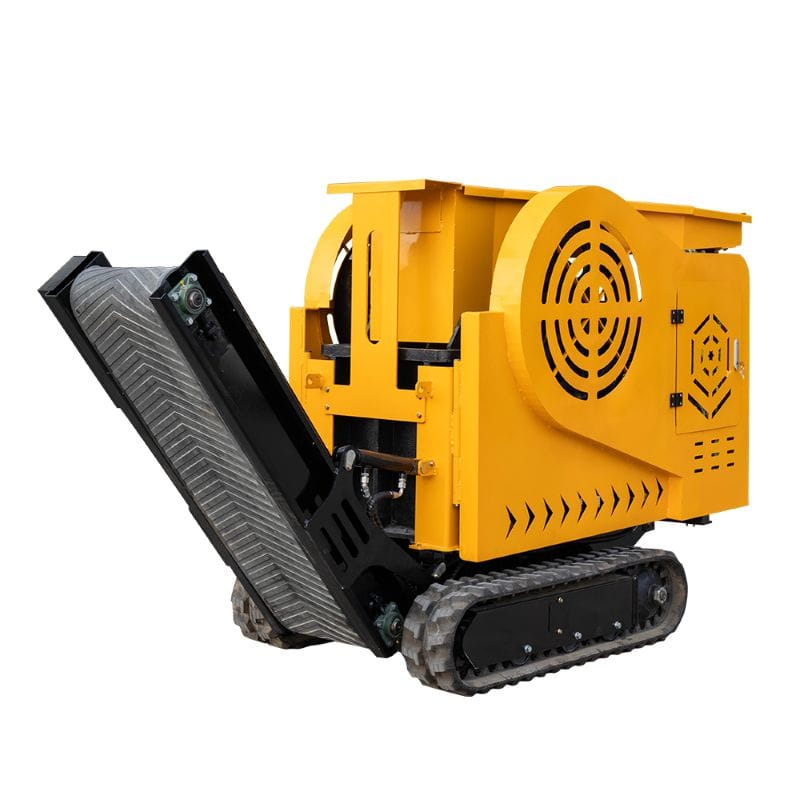
Por qué es importante este tema para la evaluación de proveedores para compradores de exportación
Para los compradores profesionales, el valor de un proveedor de trituradoras de mandíbula proviene de una producción estable, acceso práctico al servicio y soporte confiable del proveedor. En muchos proyectos, el aplastamiento no es una tarea aislada. Afecta el ciclo de cargador, el movimiento del camión, el área de almacenamiento, el control de polvo y la rapidez con la que puede comenzar la siguiente etapa de trabajo.
Cuando el trabajo consiste en reducir el riesgo de adquisiciones, comprobando la capacidad de fábrica, la documentación, las piezas de repuesto y el soporte, el equipo móvil de trituración puede reducir el movimiento innecesario del material. El comprador aún debe tener cuidado: una máquina que sea conveniente de transportar no es automáticamente la coincidencia correcta para cada tamaño de alimentación o cada diseño del sitio.
El proveedor de trituradoras de mandíbula derecha puede reducir el manejo repetido cuando el punto de trituración se coloca cerca de la fuente de material. Las decisiones de contratación más fuertes provienen de comparar la máquina con el proceso de trabajo. Esto incluye dónde ingresa el material al sitio, donde se clasifican las piezas de gran tamaño, dónde sale el material triturado y quién mantendrá la máquina durante el trabajo diario.
Aplicaciones de mejor ajuste
Un proveedor de trituradoras de mandíbulas mal adaptados puede ralentizar un proyecto incluso cuando la máquina se ve fuerte en papel. Las mejores aplicaciones suelen ser aquellas en las que la movilidad, la reducción del tamaño primario y el posicionamiento flexible crean un valor medible. Estos son a menudo trabajos en los que el envío de todo el material a una planta fija agregaría tiempo de transporte o requeriría más manipulación.
| petición | Desafío principal | valor del equipo |
|---|---|---|
| Reciclaje de demolición | Las grandes piezas de hormigón y mampostería crean problemas de manejo | El aplastamiento primario reduce el tamaño del material cerca de la fuente |
| construcción de carreteras | Los pilotes de material se mueven a medida que cambia la zona de trabajo | La configuración móvil mantiene el procesamiento cerca del área activa |
| Pequeñas obras de cantera | Una planta permanente puede ser innecesaria para la escala del proyecto | Apoyo flexible de trituración Necesidades de producción cambiantes |
| Flotas de alquiler | Los clientes necesitan una máquina para varios tipos de sitios | La configuración versátil mejora la utilización |
| Proyectos Municipa | Espacio limitado y materia de planificación de seguridad en el área pública | Movimiento compacto y flujo de trabajo organizado Ayuda al control del sitio |
Para los importadores, comerciantes, empresas de alquiler y contratistas que compran maquinaria de proveedores extranjeros, la pregunta clave no es si es posible el aplastamiento. La mejor pregunta es si la máquina puede seguir funcionando de manera constante después de la primera hora, cuando las pilas de alimentación, los hábitos de los operadores y las restricciones del sitio comienzan a dar forma a la productividad real.
Condiciones materiales para confirmar
Antes de ordenar un proveedor de trituradoras de mandíbula, los compradores deben comparar las condiciones de alimentación, las necesidades de producción y los requisitos de mantenimiento diario. El comportamiento material tiene un efecto directo sobre la producción. Los residuos de hormigón, piedra, ladrillo, piensos agregados y de construcción mixta pueden variar ampliamente en tamaño, dureza, humedad y contaminación, incluso dentro de un proyecto.
Antes de elegir un modelo, los compradores deben registrar el tamaño de alimentación más grande, el tamaño de alimentación típico, el tamaño final esperado, las horas de trabajo estimadas y si el material contiene barras de refuerzo, arcilla, suelo, madera u otra contaminación no deseada. La alimentación limpia generalmente admite un funcionamiento más suave, mientras que la alimentación mixta requiere una clasificación y un control más cuidadosos.
En el trabajo real, un proveedor de trituradoras de mandíbula funciona mejor cuando se planean cargar, triturar, descargar y almacenar juntos. La preparación de los alimentos suele ser más importante de lo que esperan los compradores. Las piezas de gran tamaño pueden retrasar la producción, puentear la tolva o forzar al operador a detenerse y limpiar el material. La alimentación constante permite que la trituradora trabaje más cerca de su capacidad práctica.
- Confirme las piezas más grandes antes de elegir la abertura de la mandíbula.
- Separe el acero, la madera y los residuos inadecuados antes de alimentarlos cuando sea posible.
- Compruebe si la humedad o la arcilla pueden causar pegarse dentro del trayecto de flujo.
- Haga coincidir el tamaño del cucharón del cargador con el diseño de la tolva y el alimentador.
- Discutir el tamaño de descarga esperado antes de comparar la capacidad del modelo.
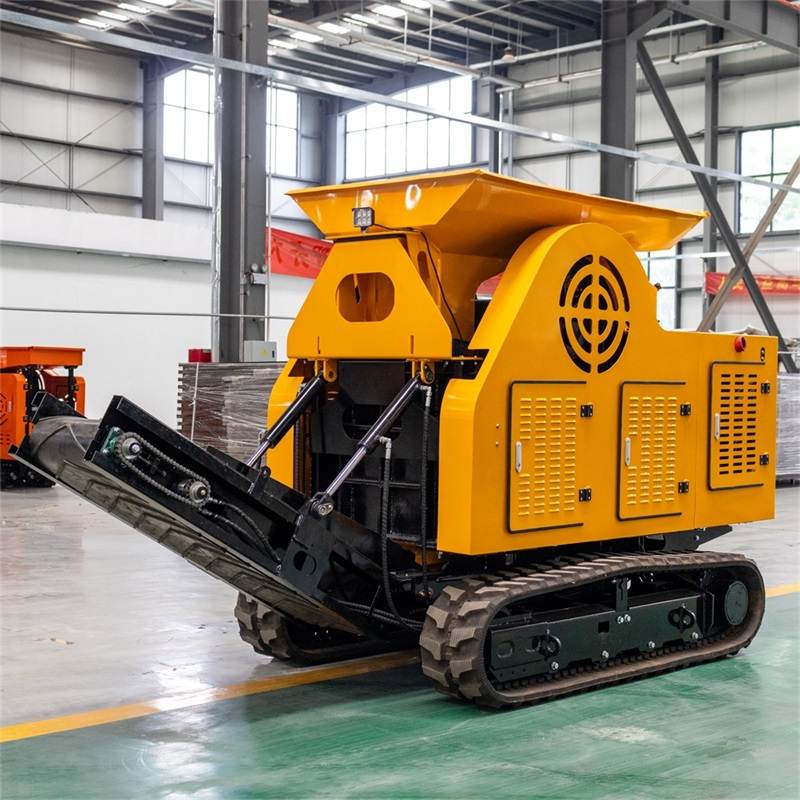
Características de la máquina que afectan el trabajo diario
Se debe seleccionar un proveedor de trituradoras de mandíbula alrededor del material, el operador y el sitio de trabajo en lugar de un solo número de folleto. Un comprador debe mirar más allá de la pintura, el tamaño general y una sola cifra de capacidad nominal. Los detalles que afectan el trabajo diario incluyen el diseño del alimentador, la estructura de la cámara de la mandíbula, el ajuste de descarga, el diseño hidráulico, la protección y el acceso al servicio.
Una cámara de trituración fuerte debe manejar el impacto y la compresión repetidos sin vibraciones innecesarias o fatiga estructural. La selección de placas de mandíbula también importa porque el material abrasivo aumenta el costo del desgaste. Los compradores deben preguntar qué opciones de placas de mandíbula se recomiendan para su material en lugar de asumir que una configuración se ajusta a cada sitio.
Para los compradores profesionales, el valor de un proveedor de trituradoras de mandíbula proviene de una producción estable, acceso práctico al servicio y soporte confiable del proveedor. Para los operadores, el diseño y la visibilidad son problemas prácticos. Si los controles son confusos o los puntos de mantenimiento son difíciles de alcanzar, la productividad diaria se verá afectada incluso cuando la máquina tenga suficiente potencia.
| ráfaga | que comprobar | Por qué importa |
|---|---|---|
| sistema de alimentación | Forma de la tolva, control de alimentador, acceso a bloqueo | La alimentación estable protege la productividad |
| cámara de la mandíbula | Tamaño de apertura, material de la placa de la mordaza, resistencia del marco | Determina la idoneidad del material |
| Ajuste de descarga | Rango de ajuste y método de ajuste | Controla la flexibilidad del tamaño de salida |
| Base de orugas o remolques | Patrón de movimiento y condición de suelo | Afecta la movilidad del sitio y el tiempo de configuración |
| Acceso al servicio | Filtros, correas, puntos de lubricación, piezas de desgaste | Reduce el tiempo de inactividad durante el trabajo diario |
Notas de contratación para sitios de trabajo reales
El proveedor de trituradoras de mandíbula derecha puede reducir el manejo repetido cuando el punto de trituración se coloca cerca de la fuente de material. La primera nota de contratación es simple: los compradores deben describir el trabajo antes de pedir el modelo. Un proveedor de trituradoras de mandíbulas mal adaptados puede ralentizar un proyecto incluso cuando la máquina se ve fuerte en papel. La segunda nota es comparar el equipo con todo el flujo de material, no solo la cámara de trituración. Antes de ordenar un proveedor de trituradoras de mandíbula, los compradores deben comparar las condiciones de alimentación, las necesidades de producción y los requisitos de mantenimiento diario. La tercera nota es para confirmar quién operará y mantendrá la máquina después de la entrega.
En el trabajo real, un proveedor de trituradoras de mandíbula funciona mejor cuando se planean cargar, triturar, descargar y almacenar juntos. Los compradores también deben revisar el acceso al transporte, las normas de seguridad locales, las necesidades de capacitación del operador y las piezas de repuesto disponibles antes de la aprobación final. Se debe seleccionar un proveedor de trituradoras de mandíbula alrededor del material, el operador y el sitio de trabajo en lugar de un solo número de folleto. Si dos máquinas se parecen, la claridad del servicio y la compatibilidad con la aplicación a menudo deciden qué opción funciona mejor con el tiempo.
Planificación de flujo de trabajo y diseño del sitio
Para los compradores profesionales, el valor de un proveedor de trituradoras de mandíbula proviene de una producción estable, acceso práctico al servicio y soporte confiable del proveedor. El diseño del sitio decide si una trituradora funciona sin problemas o espera constantemente el material. La máquina necesita suficiente espacio para cargar, descargar, inspeccionar y mover el operador seguro.
Un buen diseño separa la materia prima, la clasificación de gran tamaño, la alimentación de la trituradora, las pilas terminadas y el movimiento del camión. El sitio también debe permitir un acceso seguro para el mantenimiento. Si la trituradora se coloca demasiado apretada entre pilotes o paredes, el trabajo de inspección simple se vuelve más lento y menos seguro.
El proveedor de trituradoras de mandíbula derecha puede reducir el manejo repetido cuando el punto de trituración se coloca cerca de la fuente de material. Al planificar la reducción del riesgo de adquisición mediante la comprobación de la capacidad de fábrica, la documentación, las piezas de repuesto y el soporte, los compradores deben pensar en todo el proceso: enfoque del cargador, dirección de alimentación, trayectoria de descarga, control de polvo, drenaje y dónde se utilizará o transportará material terminado.
Para obtener más información general sobre los principios de los equipos de trituración, el Resumen de la trituradora en Wikipedia Da un punto de partida técnico útil. Para la planificación de la exposición al polvo durante el procesamiento de concreto y piedra, la información de OSHA sobre Sílice cristalina respirable También vale la pena revisar según las necesidades regulatorias locales.
Mantenimiento, piezas de desgaste y control de tiempo de inactividad
Un proveedor de trituradoras de mandíbulas mal adaptados puede ralentizar un proyecto incluso cuando la máquina se ve fuerte en papel. La planificación de mantenimiento debe comenzar antes de la compra. Los compradores deben solicitar piezas de repuesto recomendadas, puntos de lubricación, rutinas de inspección y guía de reemplazo de piezas de desgaste basada en el material esperado.
En la discusión de mantenimiento se deben incluir placas de mandíbula, correas, filtros, mangueras hidráulicas, cojinetes, sujetadores y componentes de orugas o remolques. El objetivo no es recopilar una lista larga de piezas. El objetivo es comprender qué partes tienen más probabilidades de afectar el tiempo de actividad en la aplicación real del comprador.
Antes de ordenar un proveedor de trituradoras de mandíbula, los compradores deben comparar las condiciones de alimentación, las necesidades de producción y los requisitos de mantenimiento diario. El tiempo de inactividad rara vez se debe a un fracaso dramático. Más a menudo, proviene de pequeños problemas que no se inspeccionaron antes de tiempo: pernos sueltos, desgaste desigual de la mandíbula, problemas de seguimiento de la correa, filtros obstruidos o mangueras dañadas.
- Construya una rutina de inspección diaria antes de que la máquina entre en servicio.
- Mantenga las piezas de desgaste críticos disponibles para aplicaciones de uso elevado.
- Los operadores de trenes informan cambios inusuales de vibración, ruido, calor o flujo de material.
- Registre las horas de funcionamiento y el tipo de material para comprender los patrones de desgaste.
- Discuta el soporte remoto y el tiempo de entrega de las piezas con el proveedor antes de realizar el pedido.
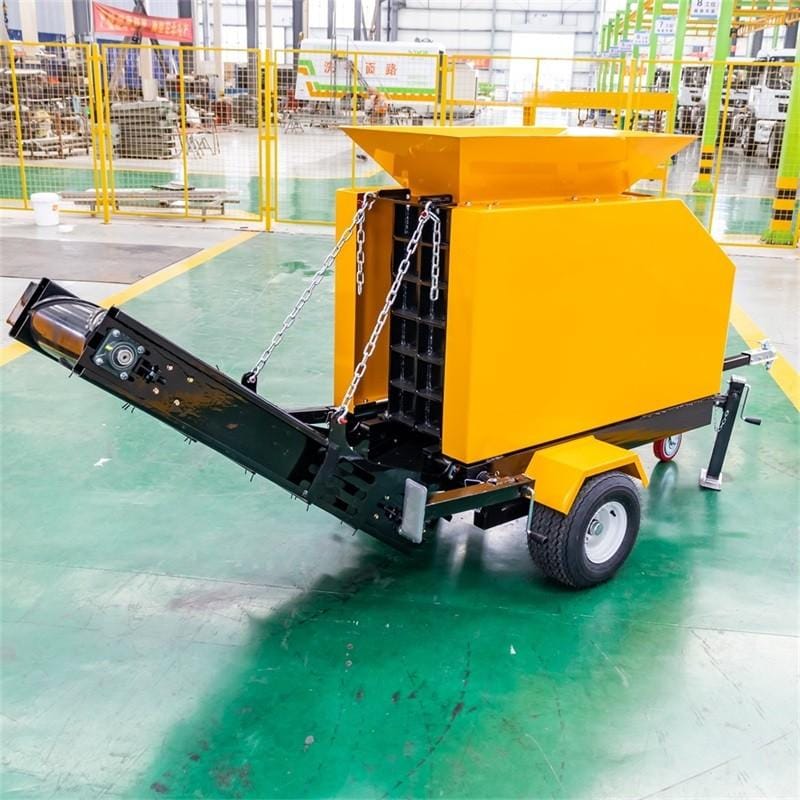
Lista de verificación del comprador
En el trabajo real, un proveedor de trituradoras de mandíbula funciona mejor cuando se planean cargar, triturar, descargar y almacenar juntos. Una lista de verificación estructurada ayuda a los compradores a comparar máquinas sin distraerse por una especificaciones atractivas. La lista de verificación debe incluir el ajuste de la aplicación, las condiciones del material, el soporte del servicio, la documentación y el costo operativo a largo plazo.
| poner en duda | Por qué ayuda |
|---|---|
| ¿Cuál es el tamaño de alimentación más grande que la máquina debe manejar? | Evita el desajuste entre el material y la apertura de la mandíbula |
| ¿Qué tamaño de salida se requiere? | Aclaración del ajuste de descarga y las necesidades de detección de corrientes |
| ¿Con qué frecuencia se moverá el punto de aplastamiento? | Ayuda a elegir el diseño de orugas, remolques o fijos |
| ¿Qué partes se espera que se desgasten más rápido? | Mejora la planificación de piezas de repuesto |
| ¿Qué soporte está disponible después del parto? | Reduce el riesgo para compradores extranjeros y flotas de alquiler |
| ¿Puede el proveedor revisar fotos o videos del material de alimentación? | Mejora la precisión de la recomendación del modelo |
Se debe seleccionar un proveedor de trituradoras de mandíbula alrededor del material, el operador y el sitio de trabajo en lugar de un solo número de folleto. Los compradores internacionales también deben confirmar la documentación de exportación, los manuales de operación, los catálogos de piezas de repuesto, las opciones de inspección y el proceso de comunicación después de la entrega.
Notas de discusión de proveedores
Para los compradores profesionales, el valor de un proveedor de trituradoras de mandíbula proviene de una producción estable, acceso práctico al servicio y soporte confiable del proveedor. Durante las discusiones de cotización, los compradores deben pedir al proveedor que conecte cada recomendación con una condición de operación real. El proveedor de trituradoras de mandíbula derecha puede reducir el manejo repetido cuando el punto de trituración se coloca cerca de la fuente de material. Esto hace que la conversación sea más útil que una simple comparación de modelos. Un proveedor de trituradoras de mandíbulas mal adaptados puede ralentizar un proyecto incluso cuando la máquina se ve fuerte en papel. Un proveedor claro debe poder explicar por qué una configuración es más adecuada que otra.
Antes de ordenar un proveedor de trituradoras de mandíbula, los compradores deben comparar las condiciones de alimentación, las necesidades de producción y los requisitos de mantenimiento diario. Los compradores también pueden solicitar videos de inspección, sugerencias de pruebas de material y guía de mantenimiento antes del envío. En el trabajo real, un proveedor de trituradoras de mandíbula funciona mejor cuando se planean cargar, triturar, descargar y almacenar juntos. Estos detalles ayudan al comprador a comprender si el proveedor tiene experiencia práctica en la aplicación. Se debe seleccionar un proveedor de trituradoras de mandíbula alrededor del material, el operador y el sitio de trabajo en lugar de un solo número de folleto. Cuando el proyecto implica demandar material o operación remota, este apoyo se vuelve aún más importante.
Para los compradores profesionales, el valor de un proveedor de trituradoras de mandíbula proviene de una producción estable, acceso práctico al servicio y soporte confiable del proveedor. La decisión final de compra debe conectar la estructura de la máquina, el suministro de piezas, la documentación y la capacitación del operador. El proveedor de trituradoras de mandíbula derecha puede reducir el manejo repetido cuando el punto de trituración se coloca cerca de la fuente de material. Si esos puntos están alineados, el equipo tiene una mayor probabilidad de entregar un valor confiable después de la entrega.
Errores comunes a evitar
Un proveedor de trituradoras de mandíbulas mal adaptados puede ralentizar un proyecto incluso cuando la máquina se ve fuerte en papel. Un error común es comparar máquinas sólo por la capacidad máxima. La capacidad depende del tamaño de la alimentación, la dureza del material, la configuración de descarga, el ritmo de carga, la humedad y cómo el material terminado sale de la máquina.
Otro error es ignorar al operador. Una máquina que es difícil de alimentar, inspeccionar o ajustar puede no entregar su valor esperado. El acceso práctico y los controles claros no son pequeños detalles, dan forma a la producción diaria.
Antes de ordenar un proveedor de trituradoras de mandíbula, los compradores deben comparar las condiciones de alimentación, las necesidades de producción y los requisitos de mantenimiento diario. Los compradores también deben evitar asumir que todas las máquinas de la misma categoría tienen la misma estructura de soporte. La respuesta del proveedor, la disponibilidad de piezas de repuesto y la documentación clara pueden marcar una gran diferencia después de que llegue el equipo.
preguntasrán el
¿Cómo sé si un proveedor de trituradoras de mandíbula se ajusta a mi proyecto?
Comience con el material y las condiciones del sitio. Si el proyecto involucra desechos de hormigón, piedra, ladrillo, piensos y mezclas de construcción y el objetivo es reducir el riesgo de adquisición al verificar la capacidad, documentación, piezas de repuesto y soporte de fábrica, puede ser adecuado un proveedor de trituradoras de mandíbula, pero el modelo final debe adaptarse al tamaño de la alimentación, el tamaño de la salida y el diseño del sitio.
¿Debo centrarme en la capacidad primero?
La capacidad importa, pero no debería ser el primer o el único punto de comparación. La capacidad práctica depende de todo el flujo de trabajo, incluida la carga, la preparación de material, la descarga, el almacenamiento y el mantenimiento.
¿Qué información debo enviar a un proveedor?
Envíe fotos o videos de materiales, el tamaño de la fuente más grande, el tamaño final deseado, las fotos del lugar de trabajo, las horas de funcionamiento esperadas y los requisitos de transporte. Esto ayuda al proveedor a recomendar una configuración más realista.
¿Cuántas piezas de repuesto se deben preparar?
La respuesta depende de la abrasividad material y el uso diario. Como mínimo, los compradores deben discutir las placas de mandíbula, las correas, los filtros, los artículos de lubricación y las piezas de desgaste específicas de la aplicación antes de la entrega.
idea de narración
En el trabajo real, un proveedor de trituradoras de mandíbula funciona mejor cuando se planean cargar, triturar, descargar y almacenar juntos. La mejor decisión de compra proviene de la conexión de especificaciones de la máquina con condiciones de trabajo reales. Los compradores deben evaluar el material, el diseño, las necesidades del operador, el acceso al mantenimiento y el soporte de proveedores.
Para los importadores, distribuidores, empresas de alquiler y contratistas que compran maquinaria de proveedores extranjeros, el valor más fuerte no es simplemente poseer equipos de trituración. Tiene un proceso confiable para reducir el riesgo de adquisición al verificar la capacidad de fábrica, la documentación, las piezas de repuesto y el soporte. Cuando la máquina se selecciona en torno a ese proceso, el triturado móvil puede mejorar la eficiencia del sitio, reducir la presión de manejo de materiales y respaldar la planificación de proyectos más segura.