
- Erhöhte Maschinenvielfalt
- Verbesserte Effizienz auf der Baustelle
- Reduzierter Bedarf an mehreren Maschinen
- Bessere Präzision für spezielle Aufgaben
Das Verständnis der gängigsten Anhänge und ihrer Verwendung hilft den Auftragnehmern, die richtigen Tools für bestimmte Anwendungen auszuwählen.
Inhaltsverzeichnis
Was sind Mini-Bagger-Anbaugeräte
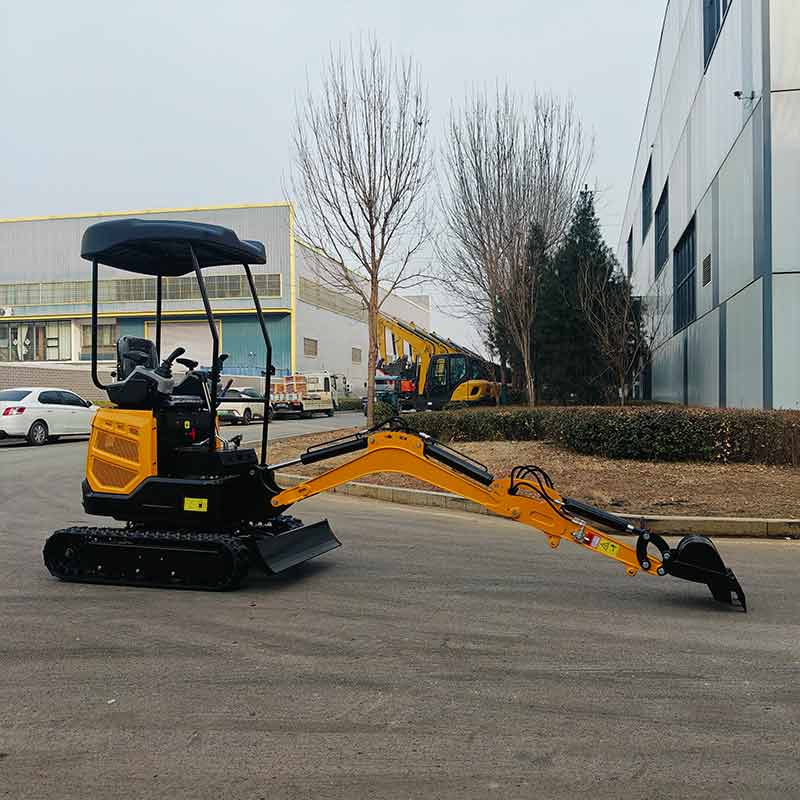
Mini-Bagger-Anbaugeräte sind austauschbare Werkzeuge, die am Ende des Baggerarms montiert sind. Diese Werkzeuge werden von der Hydraulik der Maschine angetrieben und können durch Kopplersysteme schnell ausgetauscht werden.
Anbaugeräte ermöglichen es Minibaggern, über das grundlegende Graben hinaus verschiedene Funktionen zu erfüllen, was sie in Konstruktions-, Landschafts-, Landwirtschafts- und Versorgungsprojekten sehr anpassungsfähig macht.
Übersicht über gemeinsame Anhänge
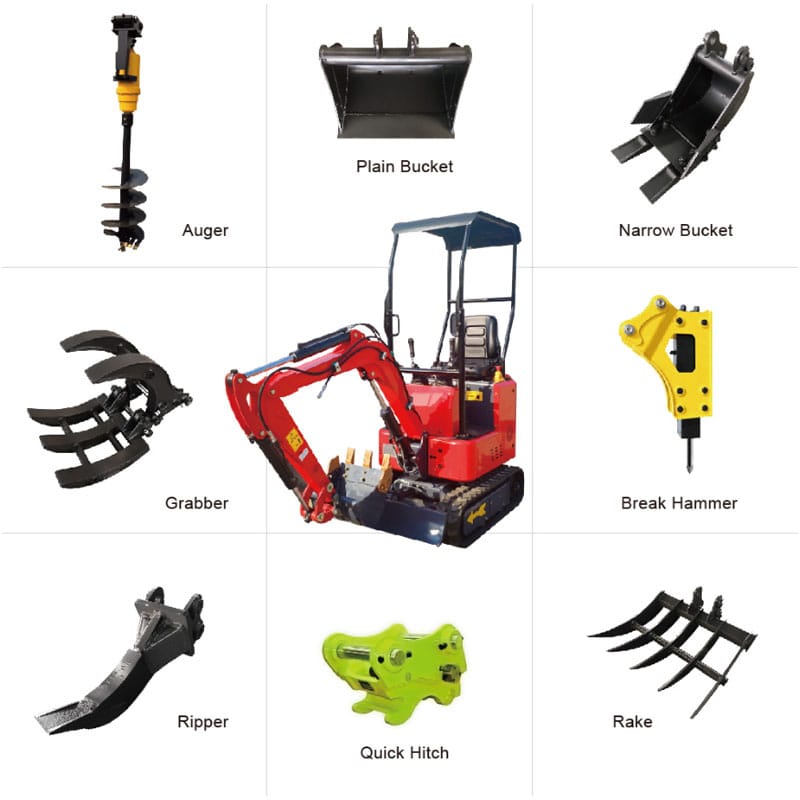
Die folgende Tabelle fasst die am weitesten verbreiteten Minibagger-Anbaugeräte und ihre primären Funktionen zusammen.
| Befestigung | Hauptfunktion | Typische Anwendungen |
|---|---|---|
| Standard-Eimer | Allgemeines Graben | Bau, Ausgrabung |
| Schachtel | Schmales Grabengraben | Dienstprogramminstallation |
| Schnecke | Bohrlöcher | Zaun, Landwirtschaft |
| Hydraulikaggregat | harte Materialien brechen | Abriss |
| festhaken | Handlingsmaterialien | Forstwirtschaft, Aufräumen |
| Sortierkübel | Oberflächen-Nivellierung | Landschaftsbau |
| Ripper | harten Boden brechen | Landbefreiung |
| Verdichter | Bodenverdichtung | Bauarbeiten |
| Kipper | Schrägberechnung | Hangformung |
| Schnellkoppler | Schnelle Anhängeänderungen | Alle Anwendungen |
1. Standard-Eimer
Der Standard-Eimer ist der am häufigsten verwendete Anbau für Minibagger. Es ist für allgemeines Graben und Materialbewegung ausgelegt.
Typische Verwendungszwecke sind:
- Bodenaushub
- Ladematerialien
- Grabenvorbereitung
Standardschaufeln gibt es je nach Maschinen- und Auftragsanforderungen in unterschiedlichen Größen.
2. Schachtel
Ein Grabenschaufel ist schmaler als ein Standardlöffel und wurde speziell zum Graben von Gräben entwickelt.
Es wird häufig verwendet für:
- Pipeline-Installation
- Kabelverlegung
- Entwässerungssysteme
Seine schmale Form ermöglicht präzise Grabenmaße und reduziert die Notwendigkeit zusätzlicher Endbearbeitungsarbeiten.
3. Schnecke
Eine Schnecke wird zum Bohren von Löchern in den Boden verwendet. Es besteht aus einem rotierenden Bohrer, der vom Hydrauliksystem angetrieben wird.
Häufige Anwendungen sind:
- Zaunpfosten-Installation
- Baumpflanzung
- Stiftung unterstützt
Schnecken sind besonders nützlich bei Projekten, die eine konsistente Lochtiefe und einen gleichbleibenden Durchmesser erfordern.
4. Hydraulischer Leistungsschalter
Ein hydraulischer Breaker ist zum Zerbrechen von harten Materialien wie Beton, Asphalt und Gestein ausgelegt. Es wandelt hydraulische Energie in starke Schlagkraft um.
Typische Verwendungszwecke sind:
- Straßenreparatur
- Abbrucharbeit
- Betonplatten entfernen
Diese Befestigung ist für Projekte von Grund auf die Oberflächenentfernung oder strukturelle Abrissung von wesentlicher Bedeutung.
5. Greifen
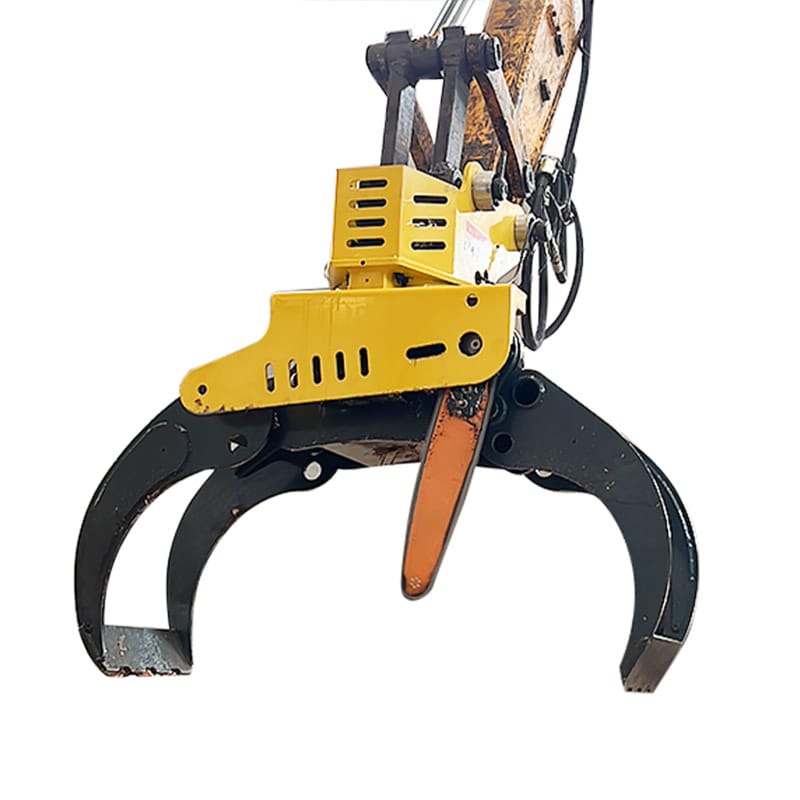
Greiferaufsätze dienen zum Greifen und Bewegen unregelmäßiger Materialien. Sie werden häufig in der Forstwirtschaft und bei der Bereinigung von Standorten eingesetzt.
Typische Materialien, die behandelt werden:
- Holz
- Zweige
- Bauschutt
Greifer verbessern die Effizienz beim Umgang mit sperrigen oder ungleichmäßigen Materialien.
6. Sortierkübel
Ein Sortierungseimer ist breiter und flacher als ein Standardeimer. Es ist für das Nivellieren und Glätten von Oberflächen ausgelegt.
Häufige Verwendungen sind:
- Bodennivellierung
- Arbeitsabschluss
- Straßenvorbereitung
Diese Befestigung ist wichtig, um nach dem Aushub eine glatte und ebene Oberfläche zu erreichen.
7 . Ripper
Ein Ripper wird verwendet, um vor dem Ausgrabung harten Boden, gefrorenen Boden oder verdichtete Oberflächen aufzubrechen.
Es wird häufig verwendet in:
- Landbefreiung
- Felsige Geländearbeit
- Standortvorbereitung
Der Ripper verbessert die Grabeffizienz durch Lockern von harten Materialien.
8. Verdichter
Ein Verdichteraufsatz wird verwendet, um Boden, Kies oder andere Materialien zu komprimieren, um eine stabile Oberfläche zu schaffen.
Typische Anwendungen sind:
- Straßenbau
- Grabenverfüllung
- Gründungsvorbereitung
Eine ordnungsgemäße Verdichtung verhindert das Absetzen des Bodens und verbessert die strukturelle Stabilität.
9. Kipper
Ein Neigungsschaufel ermöglicht es dem Bediener, den Eimer zu winkeln, um eine präzisere Sortierung und Formgebung zu erzielen.
Es ist besonders nützlich für:
- Hangformung
- Grabenreinigung
- Landschaftsbau
Dieser Aufsatz verbessert die Genauigkeit und reduziert die Notwendigkeit von manueller Endbearbeitung.
10. Schnellkoppler
Ein Schnellkuppler ist kein Arbeitswerkzeug selbst, sondern ein System, mit dem der Bediener Anbaugeräte schnell wechseln kann, ohne die Kabine zu verlassen.
Zu den Vorteilen gehören:
- Reduzierte Ausfallzeiten
- Verbesserte Effizienz
- Sicherere Anhängeänderungen
Schnellkupplungen werden häufig in Projekten eingesetzt, die häufiges Wechseln zwischen Anbaugeräten erfordern.
Auswahl des richtigen Anhangs
Die Auswahl des richtigen Anbaugeräts hängt von den spezifischen Anforderungen des Projekts ab.
| Projekttyp | Empfohlene Anhänge |
|---|---|
| schlank | Schachteleimer, Schnecke |
| Abriss | Hydraulikaggregat |
| Landschaftsbau | Sortierkübel, Neigungseimer |
| Materialhandling | festhaken |
| Bodenvorbereitung | Ripper, Verdichter |
Die Anpassung des Aufsatzes an die Aufgabe verbessert die Produktivität und reduziert unnötigen Verschleiß der Maschine.
Vorteile der Verwendung mehrerer Anhänge
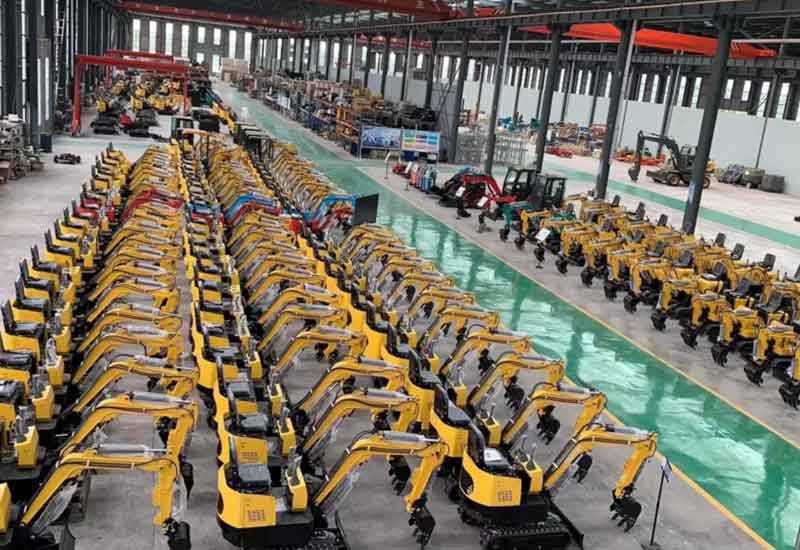
Durch die Verwendung mehrerer Anhänge können Bediener verschiedene Aufgaben mit einer einzigen Maschine erledigen.
Zu den wichtigsten Vorteilen gehören:
- Reduzierte Ausrüstungskosten
- Verbesserte Effizienz auf der Baustelle
- Weniger Handarbeit
- Schnellere Projektabschluss
Diese Flexibilität ist einer der Hauptgründe, warum Minibagger branchenübergreifend weit verbreitet sind.
Wartungsüberlegungen für Anbaugeräte
Die ordnungsgemäße Wartung der Anbaugeräte gewährleistet einen sicheren und effizienten Betrieb.
Die Betreiber sollten Anhänge regelmäßig auf Folgendes überprüfen:
- Verschleiß
- lose Verbindungen
- Hydrauliklecks
Die Reinigung von Anbaugeräten nach der Verwendung verhindert das Ansammeln von Schmutz und Schmutz. Durch die richtige Lagerung wird auch die Lebensdauer von Werkzeugen verlängert.
Die Einhaltung der Herstellerrichtlinien stellt sicher, dass die Anbaugeräte in gutem Zustand bleiben.
Schluss
Minibagger-Anbaugeräte spielen eine entscheidende Rolle beim Ausbau der Fähigkeiten von Kompaktbaumaschinen. Durch die Auswahl der richtigen Anbaugeräte können die Bediener ihre Maschinen so anpassen, dass sie ein breites Spektrum von Aufgaben in Bau-, Landschafts-, Landwirtschafts- und Versorgungsprojekten ausführen.
Zu den wichtigsten Imbissbuden gehören:
- Anbaugeräte erhöhen die Vielseitigkeit der Maschinen erheblich
- Verschiedene Tools sind für bestimmte Aufgaben konzipiert
- Richtige Auswahl verbessert Effizienz und Produktivität
- Regelmäßige Wartung sorgt für zuverlässige Leistung
Wenn Sie verstehen, wie jeder Anbau funktioniert, können Auftragnehmer und Betreiber den Wert ihrer Ausrüstung maximieren.
FAQ
Was sind die gängigsten Mini-Baggeraufsätze?
Zu den gängigsten Anbaugeräten gehören Eimer, Schnecken, Hydraulikbrecher, Greifer und Sortierungeimer. Diese Werkzeuge decken die meisten Aushub- und Materialhandhabungsaufgaben ab.
Kann ein Minibagger mehrere Anbaugeräte verwenden?
Ja. Minibagger sind für die Unterstützung mehrerer Anbaugeräte konzipiert. Schnellkupplungssysteme erleichtern das Wechseln zwischen Werkzeugen je nach Aufgabe.
Welcher Aufsatz eignet sich am besten zum Graben?
Ein Grabenschaufel ist die beste Wahl zum Graben von schmalen und präzisen Gräben, die bei der Installation von Versorgungsunternehmen verwendet werden.
Wie funktionieren hydraulische Anbaugeräte?
Hydraulische Anbaugeräte verwenden das Hydrauliksystem des Baggers, um Bewegung oder Kraft zu erzeugen, sodass Werkzeuge wie Leistungsschalter und Schnecken effizient arbeiten können.
Warum sind Anbaugeräte wichtig für Minibagger?
Anhänge erweitern die Funktionalität der Maschine und ermöglichen es, mehrere Arbeitsarten ohne zusätzliche Ausrüstung auszuführen.