
Inhaltsverzeichnis
Vorstellung
A crusher wear parts should be selected around the material, the operator, and the jobsite rather than around a single brochure number. Buyers are usually not searching for a generic machine description. They want to understand whether the equipment can solve a specific production problem without creating new delays in loading, transport, maintenance, or site management.
This guide is written for maintenance teams, rental fleets, dealers, and contractors crushing abrasive material. It focuses on wear parts planning, especially when the working material includes hard stone, recycled concrete, brick, and mixed rubble with variable abrasiveness. The goal is to help buyers evaluate equipment in a practical way before requesting a quotation or arranging a factory discussion.
Für das Brechwerkssortiment von Luyue Machinery können Käufer von der Brecherverschleißteile verwandte Modelle und bestätigen Sie dann die endgültige Konfiguration anhand des realen Futtermaterials, der erwarteten Ausgabegröße und der Standortbedingungen.
- crusher wear parts fit: best when the job requires practical size reduction close to the material source.
- crusher wear parts risk: performance drops when feed size, moisture, or contamination is not discussed early.
- crusher wear parts support: buyers should confirm spare parts, documentation, and operator guidance before shipment.
- crusher wear parts value: strongest when the whole site workflow is planned around steady feeding and discharge.
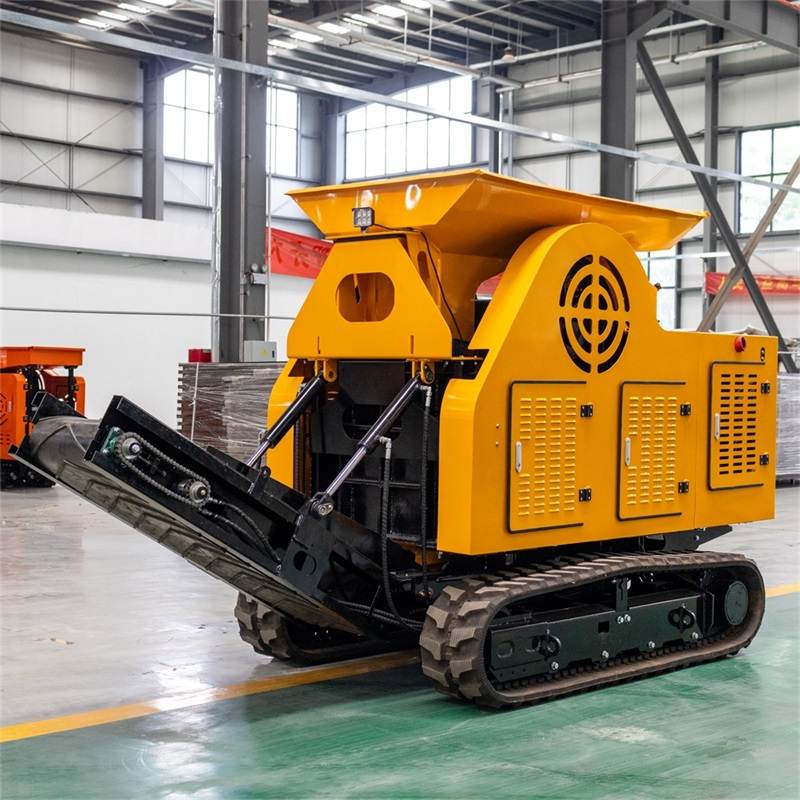
Why This Topic Matters for Wear parts planning
For professional buyers, the value of a crusher wear parts comes from stable production, practical service access, and reliable supplier support. In many projects, crushing is not an isolated task. It affects the loader cycle, truck movement, stockpile area, dust control, and how quickly the next stage of work can begin.
When the job involves controlling lifecycle cost through jaw plate selection, inspection routines, and spare stock planning, mobile crushing equipment can reduce unnecessary material movement. The buyer should still be careful: a machine that is convenient to transport is not automatically the right match for every feed size or every site layout.
The right crusher wear parts can reduce repeated handling when the crushing point is placed close to the material source. The strongest procurement decisions come from comparing the machine against the job process. This includes where material enters the site, where oversized pieces are sorted, where crushed material exits, and who will maintain the machine during daily work.
Best-Fit-Anwendungen
A poorly matched crusher wear parts can slow a project even when the machine looks strong on paper. The best applications are usually those where mobility, primary size reduction, and flexible positioning create measurable value. These are often jobs where sending all material to a fixed plant would add transport time or require more handling.
| Anwendung | größte Herausforderung | Ausrüstungswert |
|---|---|---|
| Abbruchrecycling | Große Beton- und Mauerwerksteile verursachen Handhabungsprobleme | Primärzerkleinerung verringert Materialgröße in der Nähe der Quelle |
| Straßenbau | Materialstapel bewegen sich, wenn sich die Arbeitszone ändert | Das Mobile Setup verarbeitet die Verarbeitung in der Nähe des aktiven Bereichs |
| Kleine Steinbrucharbeit | Eine dauerhafte Anlage kann für den Projektmaßstab überflüssig sein | Flexible Zerkleinerung unterstützt sich ändernde Produktionsanforderungen |
| Mietflotten | Kunden benötigen eine Maschine für mehrere Standorttypen | Vielseitige Konfiguration verbessert die Auslastung |
| Kommunale Projekte | Begrenzte Platz- und Sicherheitsplanungsangelegenheiten im öffentlichen Raum | Kompakte Bewegung und organisierte Workflows helfen Site Control |
For maintenance teams, rental fleets, dealers, and contractors crushing abrasive material, the key question is not whether crushing is possible. The better question is whether the machine can keep working steadily after the first hour, when feed piles, operator habits, and site restrictions begin to shape real productivity.
wesentliche Bedingungen zu bestätigen
Before ordering a crusher wear parts, buyers should compare feed conditions, output needs, and daily maintenance requirements. Material behavior has a direct effect on output. hard stone, recycled concrete, brick, and mixed rubble with variable abrasiveness can vary widely in size, hardness, moisture, and contamination, even within one project.
Vor der Auswahl eines Modells sollten Käufer die größte Futtergröße, die typische Futtergröße, die erwartete Endgröße, die geschätzte Arbeitszeit und die ob Material Bewehrung, Ton, Boden, Holz oder andere unerwünschte Kontaminationen enthalten. Clean Feed unterstützt normalerweise einen reibungslosen Betrieb, während gemischter Vorschub eine sorgfältigere Sortierung und Überwachung erfordert.
In real work, a crusher wear parts performs best when loading, crushing, discharge, and stockpiling are planned together. Feed preparation is often more important than buyers expect. Oversized pieces can slow production, bridge in the hopper, or force the operator to stop and clear material. Consistent feed allows the crusher to work closer to its practical capacity.
- Bestätigen Sie die größten Teile, bevor Sie die Backenöffnung wählen.
- Trennen Sie vor dem Füttern, sofern möglich, Stahl, Holz und ungeeignete Abfälle.
- Prüfen Sie, ob Feuchtigkeit oder Ton im Strömungsweg verkleben können.
- Passen Sie die Größe des Ladegeräts an das Design des Behälters und der Zuführung an.
- Besprechen Sie die erwartete Entladungsgröße, bevor Sie die Modellkapazität vergleichen.
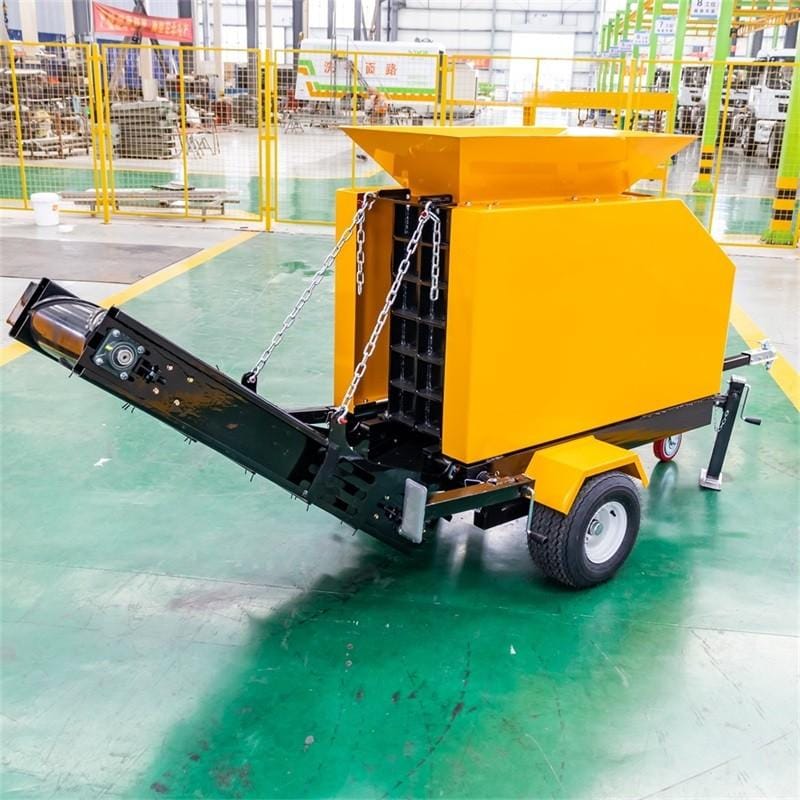
Maschinenmerkmale, die sich auf die tägliche Arbeit auswirken
A crusher wear parts should be selected around the material, the operator, and the jobsite rather than around a single brochure number. A buyer should look beyond paint, overall size, and a single rated capacity figure. The details that affect daily work include feeder design, jaw chamber structure, discharge adjustment, hydraulic layout, guarding, and service access.
Eine starke Brechkammer muss wiederholt aufprallen und komprimieren, ohne unnötige Vibrationen oder strukturelle Ermüdung. Die Auswahl der Backenplatte ist ebenfalls wichtig, da Schleifmaterial die Verschleißkosten erhöht. Käufer sollten sich fragen, welche Backblechoptionen für ihr Material empfohlen werden, anstatt davon auszugehen, dass ein Setup für jede Website geeignet ist.
For professional buyers, the value of a crusher wear parts comes from stable production, practical service access, and reliable supplier support. For operators, control layout and visibility are practical issues. If the controls are confusing or maintenance points are hard to reach, daily productivity will suffer even when the machine has enough power.
| Feature | Was zu überprüfen | Warum es wichtig ist |
|---|---|---|
| Zuführungssystem | Trichterform, Feeder-Steuerung, Blockierung | Stabile Fütterung schützt die Produktivität |
| Kieferkammer | Öffnungsgröße, Backenplattenmaterial, Rahmenfestigkeit | Bestimmt die Materialeignung |
| Entladeeinstellung | Einstellbereich und Anpassungsmethode | Steuert die Ausgabegrößenflexibilität |
| Crawler oder Anhängerbasis | Bewegungsmuster und Bodenzustand | Beeinflusst die Mobilität der Website und die Einrichtungszeit |
| Servicezugang | Filter, Riemen, Schmierstellen, Verschleißteile | Reduziert Ausfallzeiten während der täglichen Arbeit |
Beschaffungsnotizen für reale Baustellen
The right crusher wear parts can reduce repeated handling when the crushing point is placed close to the material source. The first procurement note is simple: buyers should describe the job before asking for the model. A poorly matched crusher wear parts can slow a project even when the machine looks strong on paper. The second note is to compare the equipment against the whole material flow, not only the crushing chamber. Before ordering a crusher wear parts, buyers should compare feed conditions, output needs, and daily maintenance requirements. The third note is to confirm who will operate and maintain the machine after delivery.
In real work, a crusher wear parts performs best when loading, crushing, discharge, and stockpiling are planned together. Buyers should also review transport access, local safety rules, operator training needs, and available spare parts before final approval. A crusher wear parts should be selected around the material, the operator, and the jobsite rather than around a single brochure number. If two machines look similar, service clarity and application support often decide which choice performs better over time.
Workflow- und Layoutplanung für
For professional buyers, the value of a crusher wear parts comes from stable production, practical service access, and reliable supplier support. Site layout decides whether a crusher works smoothly or constantly waits for material. The machine needs enough room for loading, discharge, inspection, and safe operator movement.
Ein gutes Layout trennt Rohmaterial, Übergrößensortierung, Brecherfütterung, fertige Lagerbestände und LKW-Bewegung. Die Website sollte auch einen sicheren Zugang für Wartungsarbeiten ermöglichen. Wenn der Brecher zu eng zwischen den Pfählen oder Wänden platziert wird, wird eine einfache Inspektionsarbeit langsamer und weniger sicher.
The right crusher wear parts can reduce repeated handling when the crushing point is placed close to the material source. When planning controlling lifecycle cost through jaw plate selection, inspection routines, and spare stock planning, buyers should think about the whole process: loader approach, feed direction, discharge conveyor path, dust control, drainage, and where finished material will be used or transported.
Für einen allgemeinen Hintergrund zu den Prinzipien der zerkleinernden Ausrüstung wird die Brecher Übersicht auf Wikipedia Gibt einen nützlichen technischen Ausgangspunkt. Zur Staubexpositionsplanung während der Beton- und Steinbearbeitung, Informationen zu OSHA Beatmungsfähiges kristallines Siliciumdi Es lohnt sich auch, nach den lokalen Regulierungsbedürfnissen zu überprüfen.
Wartung, Verschleißteile und Stillstandskontrolle
A poorly matched crusher wear parts can slow a project even when the machine looks strong on paper. Maintenance planning should begin before purchase. Buyers should ask for recommended spare parts, lubrication points, inspection routines, and wear part replacement guidance based on the expected material.
Backenplatten, Riemen, Filter, Hydraulikschläuche, Lager, Befestigungselemente und Komponenten für Raupen oder Anhänger sollten in die Wartungsdiskussion mit einbezogen werden. Das Ziel ist nicht, eine lange Teileliste zu sammeln. Das Ziel ist zu verstehen, welche Teile die Betriebszeit in der realen Anwendung des Käufers am wahrscheinlichsten beeinflussen.
Before ordering a crusher wear parts, buyers should compare feed conditions, output needs, and daily maintenance requirements. Downtime is rarely caused by one dramatic failure. More often, it comes from small problems that were not inspected early: loose bolts, uneven jaw wear, belt tracking issues, clogged filters, or damaged hoses.
- Bauen Sie eine tägliche Inspektionsroutine, bevor die Maschine in Betrieb genommen wird.
- Halten Sie kritische Verschleißteile für Anwendungen mit hohem Einsatz bereit.
- Trainieren Sie die Betreiber, um ungewöhnliche Vibrationen, Geräusche, Hitze oder Materialflussänderungen zu melden.
- Notieren Sie die Betriebsstunden und den Materialtyp, um Verschleißmuster zu verstehen.
- Besprechen Sie die Remote-Support und die Vorlaufzeit mit dem Lieferanten, bevor Sie bestellen.
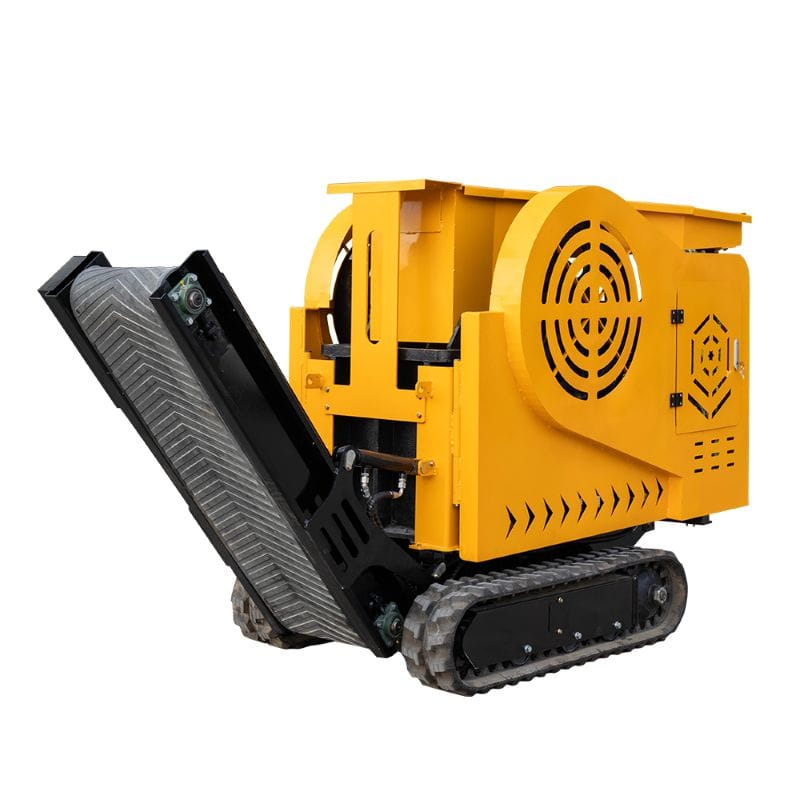
Käufer-Checkliste
In real work, a crusher wear parts performs best when loading, crushing, discharge, and stockpiling are planned together. A structured checklist helps buyers compare machines without being distracted by one attractive specification. The checklist should include application fit, material conditions, service support, documentation, and long-term operating cost.
| verhören | Warum es hilft |
|---|---|
| Was ist die größte Vorschubgröße, die die Maschine handhaben sollte? | Verhindert Fehlanpassungen zwischen Material und Backenöffnung |
| Welche Ausgabegröße ist erforderlich? | Klärt die Entladungseinstellung und nachgeschaltete Screening-Anforderungen |
| Wie oft bewegt sich der Quetschpunkt? | Hilft bei der Auswahl von Crawler, Anhänger oder festem Layout |
| Welche Teile werden voraussichtlich am schnellsten verschleißen? | Verbessert die Ersatzteilplanung |
| Welche Unterstützung ist nach der Lieferung verfügbar? | Reduziert das Risiko für Käufer und Mietflotten in Übersee |
| Kann der Lieferant Fotos oder Videos des Futtermaterials überprüfen? | Verbessert die Genauigkeit der Modellempfehlung |
A crusher wear parts should be selected around the material, the operator, and the jobsite rather than around a single brochure number. International buyers should also confirm export documentation, operation manuals, spare parts catalogs, inspection options, and communication process after delivery.
Hinweise zu Lieferantendiskussion
For professional buyers, the value of a crusher wear parts comes from stable production, practical service access, and reliable supplier support. During quotation discussions, buyers should ask the supplier to connect each recommendation with a real operating condition. The right crusher wear parts can reduce repeated handling when the crushing point is placed close to the material source. This makes the conversation more useful than a simple model comparison. A poorly matched crusher wear parts can slow a project even when the machine looks strong on paper. A clear supplier should be able to explain why one configuration is more suitable than another.
Before ordering a crusher wear parts, buyers should compare feed conditions, output needs, and daily maintenance requirements. Buyers can also request inspection videos, material testing suggestions, and maintenance guidance before shipment. In real work, a crusher wear parts performs best when loading, crushing, discharge, and stockpiling are planned together. These details help the buyer understand whether the supplier has practical application experience. A crusher wear parts should be selected around the material, the operator, and the jobsite rather than around a single brochure number. When the project involves demanding material or remote operation, this support becomes even more important.
For professional buyers, the value of a crusher wear parts comes from stable production, practical service access, and reliable supplier support. The final buying decision should connect machine structure, parts supply, documentation, and operator training. The right crusher wear parts can reduce repeated handling when the crushing point is placed close to the material source. If those points are aligned, the equipment has a stronger chance of delivering dependable value after delivery.
Häufige Fehler zu vermeiden
A poorly matched crusher wear parts can slow a project even when the machine looks strong on paper. One common mistake is comparing machines only by maximum capacity. Capacity depends on feed size, material hardness, discharge setting, loading rhythm, moisture, and how finished material leaves the machine.
Ein weiterer Fehler ist das Ignorieren des Operators. Eine Maschine, die schwer zuzuführen, zu inspizieren oder einzustellen ist, liefert möglicherweise nicht ihren erwarteten Wert. Praktischer Zugriff und klare Bedienelemente sind keine kleinen Details, sie prägen den täglichen Output.
Before ordering a crusher wear parts, buyers should compare feed conditions, output needs, and daily maintenance requirements. Buyers should also avoid assuming that every machine in the same category has the same support structure. Supplier response, spare parts availability, and clear documentation can make a major difference after the equipment arrives.
FAQ
How do I know if a crusher wear parts fits my project?
Start with the material and site conditions. If the project involves hard stone, recycled concrete, brick, and mixed rubble with variable abrasiveness and the goal is controlling lifecycle cost through jaw plate selection, inspection routines, and spare stock planning, a crusher wear parts may be suitable, but the final model should be matched to feed size, output size, and site layout.
Sollte ich mich zuerst auf die Kapazität konzentrieren?
Kapazität ist wichtig, aber es sollte nicht der erste oder einzige Vergleichspunkt sein. Die praktische Kapazität hängt vom gesamten Workflow ab, einschließlich Beladung, Materialvorbereitung, Entladung, Lagerung und Wartung.
Welche Informationen soll ich an einen Lieferanten senden?
Senden Sie Materialfotos oder -videos, die größte Feedgröße, die gewünschte Endgröße, die Arbeitsseitenfotos, die erwarteten Betriebszeiten und die Transportanforderungen. Dies hilft dem Lieferanten, eine realistischere Konfiguration zu empfehlen.
Wie viele Ersatzteile sollten vorbereitet werden?
Die Antwort hängt von der materiellen Abrasivität und dem täglichen Gebrauch ab. Mindestens sollten die Käufer vor der Auslieferung die Backenplatten, Riemen, Filter, Schmiergegenstände und anwendungsspezifische Verschleißteile besprechen.
Schluss
In real work, a crusher wear parts performs best when loading, crushing, discharge, and stockpiling are planned together. The best purchasing decision comes from connecting machine specifications with real working conditions. Buyers should evaluate material, layout, operator needs, maintenance access, and supplier support together.
For maintenance teams, rental fleets, dealers, and contractors crushing abrasive material, the strongest value is not simply owning crushing equipment. It is having a dependable process for controlling lifecycle cost through jaw plate selection, inspection routines, and spare stock planning. When the machine is selected around that process, mobile crushing can improve site efficiency, reduce material handling pressure, and support more confident project planning.