
Table of Contents
Start With the Decision
A comparison becomes useful when it reflects the buyer's recurring tasks. A contractor working behind occupied homes needs a different priority list from a dealer building a general stock range.
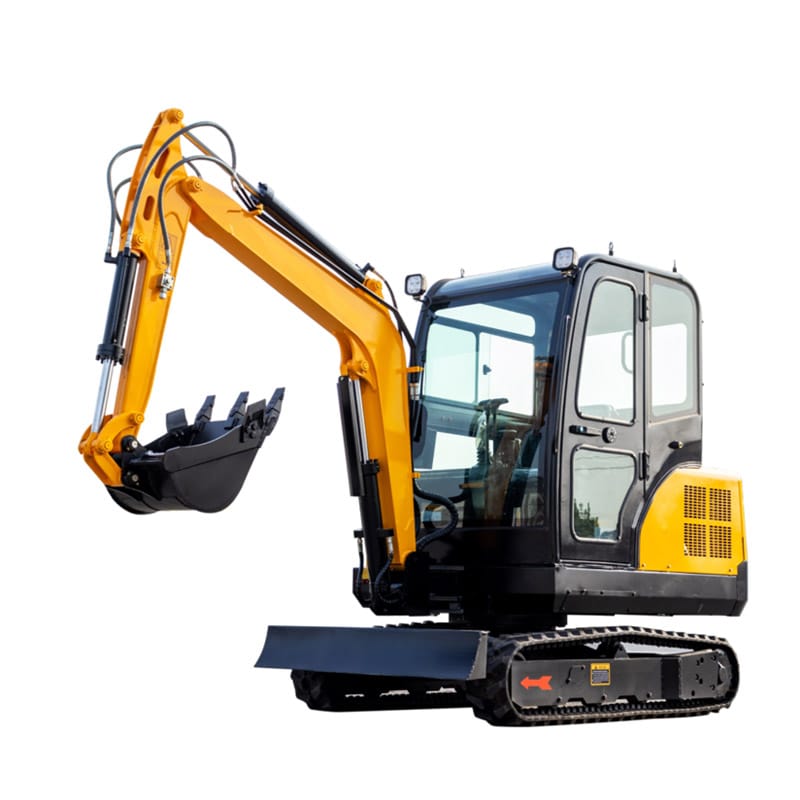
Compare mini excavators: Evidence to Request
Choose measurable criteria such as access dimensions, depth at the required reach, approved attachments, transport weight and service accessibility. Assign priorities before reading competing brochures.
Compare mini excavators: Compare the Options
A high maximum figure should not outweigh a failed access requirement. Treat essential dimensions and transport limits as pass-or-fail conditions, then score the remaining benefits.
A Practical Evaluation Table
| Review item | Evidence to obtain | Decision it supports |
|---|---|---|
| Configuration | Choose measurable criteria such as access dimensions, depth at the required reach, approved attachments, transport weight and service accessibility. | Verify the actual offered arrangement. |
| Alternative | A high maximum figure should not outweigh a failed access requirement. | Compare the relevant tradeoff. |
| Acceptance | A dated, model-specific record of the agreed check. | Identify what was checked and what remains open. |
Put the Decision Into a Work Plan
Demonstrate a representative working cycle rather than a convenient empty-bucket movement. Record setup time, visibility and servicing access alongside the published specifications.
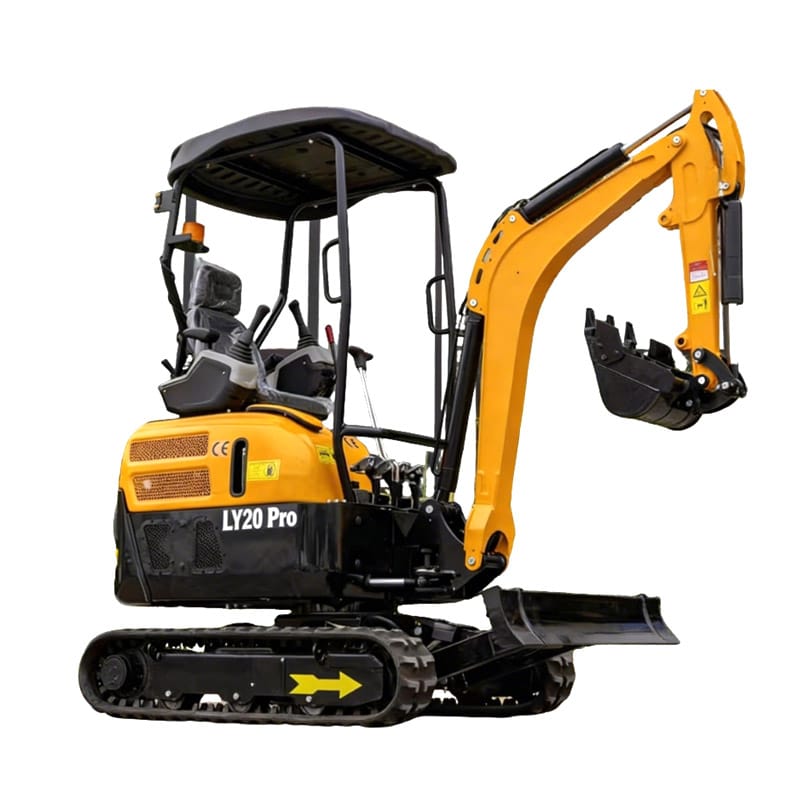
Turn Site Measurements Into Acceptance Criteria
Mark the limiting dimensions and work positions on a simple site plan. Give each requirement a unit and a clear description of the proposed configuration. Keep measured conditions separate from assumptions. Repeat the review when the route, material or intended operation changes.
Plan the Operating Controls
Keep people outside the operating area and plan access, ground support and communication before work. Use competent operators and the correct instructions for the actual machine. A compact footprint does not remove the need to assess the task or protect nearby people.
For independent background, see HSE excavator guidance. Apply the relevant local requirements and the equipment manufacturer’s instructions to the actual operation.
Discuss the Configuration With Luyue
Review the Luyue compact excavator range and send your application requirements to Luyue Machinery. Include the material or task, access conditions, required configuration and delivery destination. Ask for current model information and written confirmation of any proposed options. Availability and suitability should be confirmed for the specific order.
Compare mini excavators: Buyer Questions
Should I average every brochure specification?
No. Exclude machines that fail essential site requirements first. Weight the remaining criteria according to the work you actually perform.
Which comparison criteria come first?
Start with essential access, transport and task requirements. Reject unsuitable options before scoring optional benefits.
What should a demonstration include?
Use a representative working cycle and record visibility, repositioning and service access alongside measured performance.
How should a limiting dimension be recorded?
State the measured value, unit, location and relevant condition. Compare it with a current drawing of the actual configured equipment.
What should I send to Luyue for a relevant response?
Send the task description, limiting dimensions, intended configuration and destination. Include model or serial information when discussing an existing machine or replacement part. Request current documentation rather than relying on a photograph alone.