
Table of Contents
Choose for Digging, Grading or Sorting
Bucket names describe broad functions, but the geometry and carrier limits determine how a tool performs. Procurement teams should connect the design to a specific material-handling requirement. When comparing excavator bucket types, start with the condition that can rule an option out.
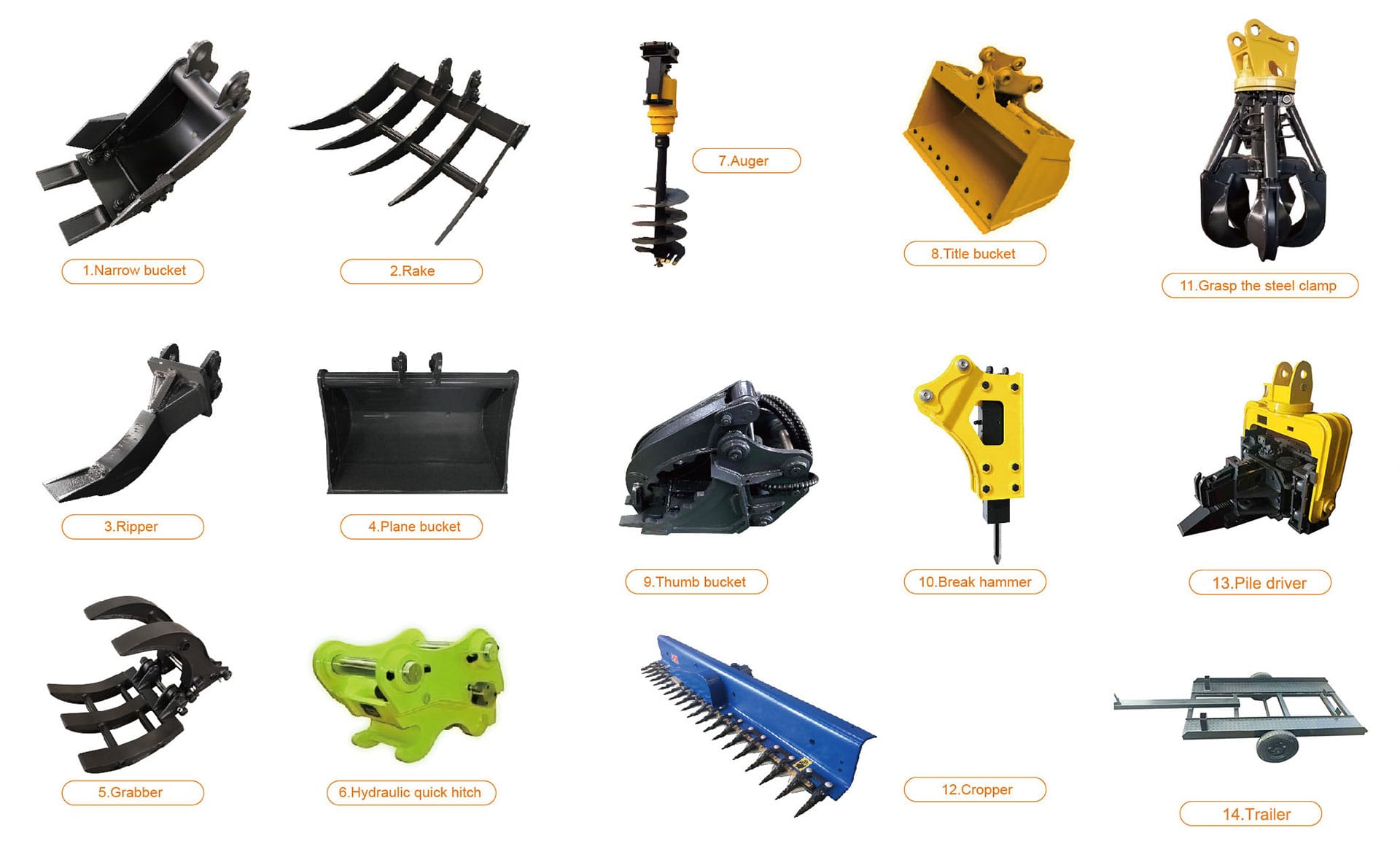
Excavator bucket types: Evidence to Request
Compare cutting edge, width, shell shape, mass and any openings. Check mounting dimensions and whether the bucket is approved for the proposed carrier. Keep the information for excavator bucket types tied to the configuration being offered.
Excavator bucket types: Compare the Options
A digging bucket concentrates the excavation task. A grading bucket supports finishing. An open structure can separate some material but does not guarantee a graded product. Compare excavator bucket types using equivalent conditions and clearly identified limits.
An Evaluation Table for Excavator bucket types
| Review item | Evidence to obtain | Decision it supports |
|---|---|---|
| Configuration | Compare cutting edge, width, shell shape, mass and any openings. | Verify the actual offered arrangement. |
| Alternative | A digging bucket concentrates the excavation task. | Compare the relevant tradeoff. |
| Acceptance | A dated, model-specific record of the agreed check. | Identify what was checked and what remains open. |
Put the Decision Into a Work Plan
List the required tasks and the order in which they occur. Select a small compatible set that covers those stages without duplicating tools unnecessarily. Record the decision about excavator bucket types before confirming the order or work arrangement.
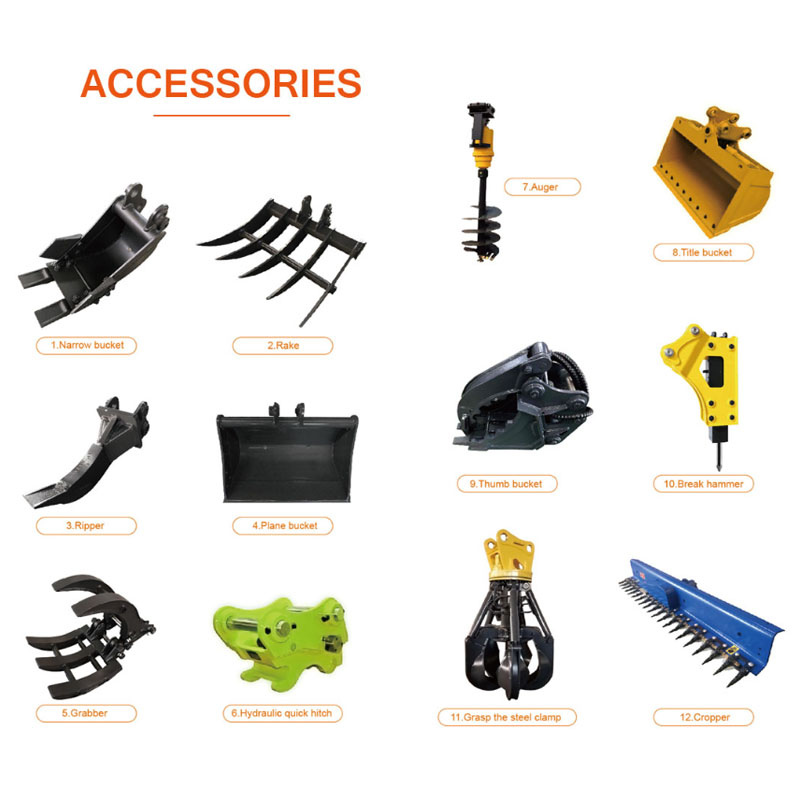
Confirm the Complete Combination
Treat the carrier, interface, tool and controls as one configuration. Ask the responsible suppliers to verify the proposed pairing and provide its operating information. Record any restrictions in the handover pack. A shared connector or similar mounting shape cannot establish every performance and safety requirement.
Plan the Operating Controls
Use the documented attachment fitting and retention checks for the actual carrier. Keep people clear during changes and verify the approved locking arrangement before work. Mechanical fit alone does not establish that the complete tool and carrier combination is suitable.
For independent background, see HSE quick-hitch guidance. Apply the relevant local requirements and the equipment manufacturer’s instructions to the actual operation.
Discuss Excavator bucket types With Luyue
Review the Luyue excavator accessory range and send your application requirements to Luyue Machinery. Include the material or task, access conditions, required configuration and delivery destination. Ask for current model information and written confirmation of any proposed options. Availability and suitability should be confirmed for the specific order. Tools and replacement parts discussed here are evaluation examples; confirm current availability and carrier approval before ordering.
Excavator bucket types: Buyer Questions
Is a grading bucket suitable for every hard-ground task?
No. Use a tool designed and approved for the material and operation, rather than treating width as the main selection criterion.
What should a tool set avoid?
Avoid overlapping tools that add cost and maintenance without supporting a distinct required task.
Why distinguish sorting from grading?
Letting some material pass through openings does not establish the controlled specification of a finished product.
Is physical connection proof of suitability?
No. Verify the complete configuration, including operating limits, controls, installation and any hydraulic requirements.
What should I send to Luyue for a relevant response?
Send the task description, limiting dimensions, intended configuration and destination. Include model or serial information when discussing an existing machine or replacement part. Request current documentation rather than relying on a photograph alone.