
Table of Contents
Read the Whole Load Chart
The heaviest object on a project is not the only lifting input. Its position, lifting radius, attachment weight and the machine configuration can change whether a particular lift is permitted. When comparing mini excavator lifting capacity, start with the condition that can rule an option out.
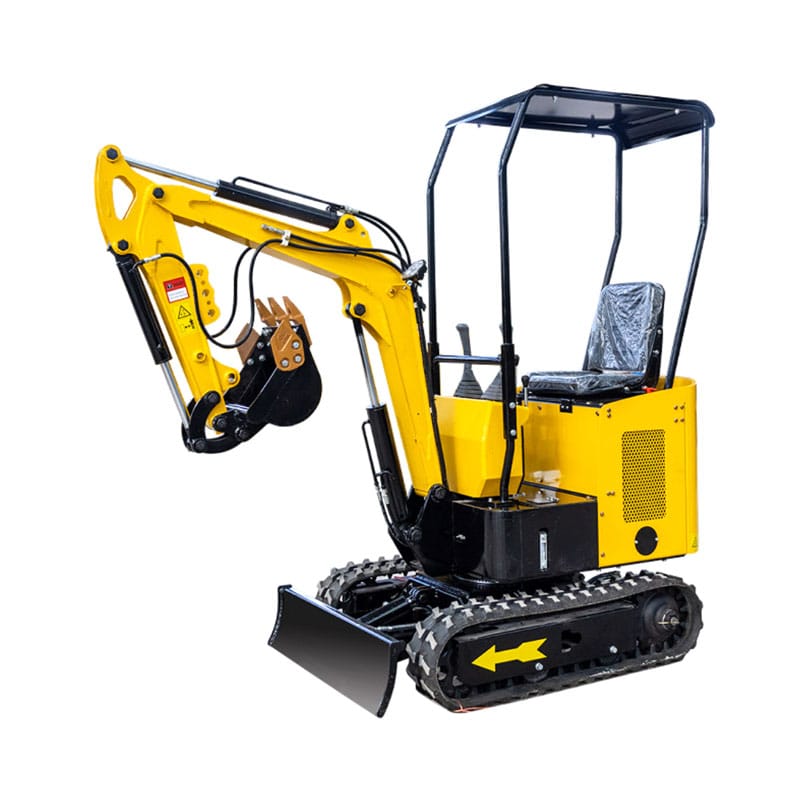
Mini excavator lifting capacity: Evidence to Request
Request a load chart for the supplied boom, arm, counterweight and undercarriage. Deduct lifting accessories as directed by the manufacturer and establish whether the chart describes front or side lifting. Keep the information for mini excavator lifting capacity tied to the configuration being offered.
Mini excavator lifting capacity: Compare the Options
A short-radius lift near ground level differs from placing the same item across a trench. Neither digging force nor operating weight is a substitute for the relevant chart. Compare mini excavator lifting capacity using equivalent conditions and clearly identified limits.
An Evaluation Table for Mini excavator lifting capacity
| Review item | Evidence to obtain | Decision it supports |
|---|---|---|
| Configuration | Request a load chart for the supplied boom, arm, counterweight and undercarriage. | Verify the actual offered arrangement. |
| Alternative | A short-radius lift near ground level differs from placing the same item across a trench. | Compare the relevant tradeoff. |
| Acceptance | A dated, model-specific record of the agreed check. | Identify what was checked and what remains open. |
Put the Decision Into a Work Plan
Give the supplier the load mass, required reach and lifting height. Have a competent person plan the operation, confirm the lifting point and review ground support before committing to equipment. Record the decision about mini excavator lifting capacity before confirming the order or work arrangement.
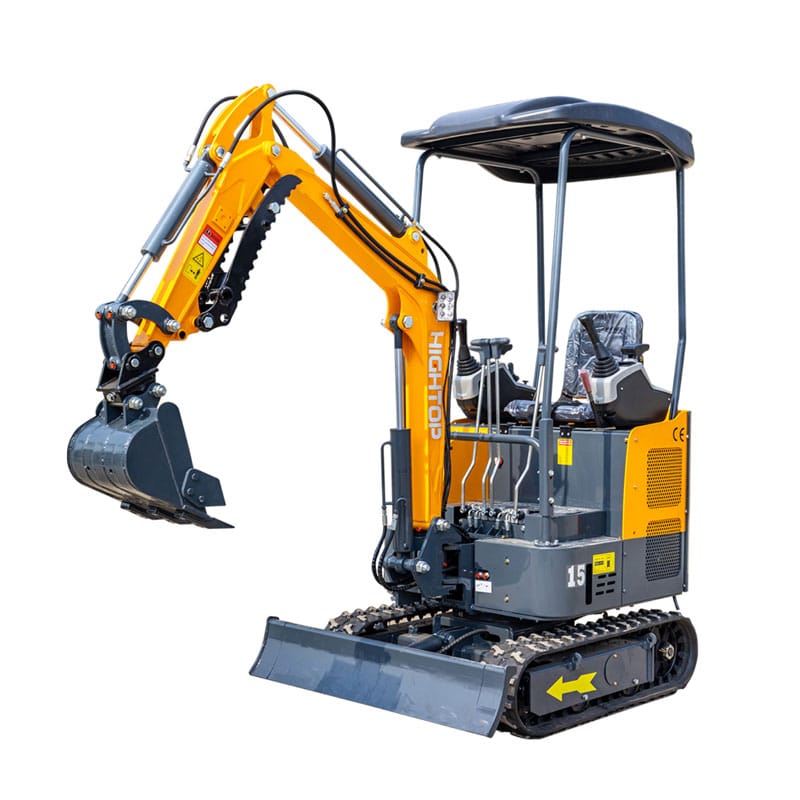
Turn Site Measurements Into Acceptance Criteria
Mark the limiting dimensions and work positions on a simple site plan. Give each requirement a unit and a clear description of the proposed configuration. Keep measured conditions separate from assumptions. Repeat the review when the route, material or intended operation changes.
Plan the Operating Controls
Keep people outside the operating area and plan access, ground support and communication before work. Use competent operators and the correct instructions for the actual machine. A compact footprint does not remove the need to assess the task or protect nearby people.
For independent background, see HSE excavator guidance. Apply the relevant local requirements and the equipment manufacturer’s instructions to the actual operation.
Discuss Mini excavator lifting capacity With Luyue
Review the Luyue compact excavator range and send your application requirements to Luyue Machinery. Include the material or task, access conditions, required configuration and delivery destination. Ask for current model information and written confirmation of any proposed options. Availability and suitability should be confirmed for the specific order.
Mini excavator lifting capacity: Buyer Questions
Can digging force tell me the safe lifting load?
No. Digging force describes a different operating condition. Use the correct load chart and the manufacturer-approved lifting arrangement for the proposed lift.
Which lifting radius should be assessed?
Use the radius required by the proposed lift, together with height, configuration and the applicable load chart.
Do lifting accessories affect the calculation?
Yes. Account for accessories and attachments as directed by the manufacturer and the competent lifting planner.
How should a limiting dimension be recorded?
State the measured value, unit, location and relevant condition. Compare it with a current drawing of the actual configured equipment.
What should I send to Luyue for a relevant response?
Send the task description, limiting dimensions, intended configuration and destination. Include model or serial information when discussing an existing machine or replacement part. Request current documentation rather than relying on a photograph alone.