
Table of Contents
Introduction
A mobile jaw crusher for asphalt recycling should be selected around asphalt condition, feed preparation, output target, and the way reclaimed material will be reused. Asphalt recycling is common in road repair, pavement removal, utility trench restoration, and material yard processing. The buyer’s goal is usually not simply to crush blacktop into smaller pieces. The goal is to create reclaimed material that can be handled, screened, blended, transported, or reused with less waste.
This guide explains how to choose a mobile jaw crusher for asphalt recycling from a practical procurement perspective. It is written for road contractors, recycling yards, rental fleets, demolition contractors, dealers, and international machinery buyers who need a tracked crushing solution for asphalt, concrete, and mixed construction material.
For buyers comparing equipment online, the practical question is whether a mobile jaw crusher for asphalt recycling can reduce the actual pavement material on site, not whether the machine looks suitable in a general brochure.
The right mobile jaw crusher for asphalt recycling helps contractors reduce hauled waste, prepare reclaimed material near the road project, and keep crushing work flexible. Asphalt behaves differently from clean hard rock or fresh concrete. It can contain bitumen, aggregate, dust, soil, base material, reinforcement, and sometimes moisture. That makes machine selection, feed preparation, output control, and maintenance planning especially important.
- Define slab size, contamination, and final material use before asking for a crusher recommendation.
- Confirm whether the project involves milled asphalt, broken pavement slabs, or mixed asphalt and concrete.
- Plan loader workflow, screening, stockpile layout, and discharge direction before delivery.
- Review model size, jaw setting, undercarriage, wear parts, dust control, and supplier support as one decision.
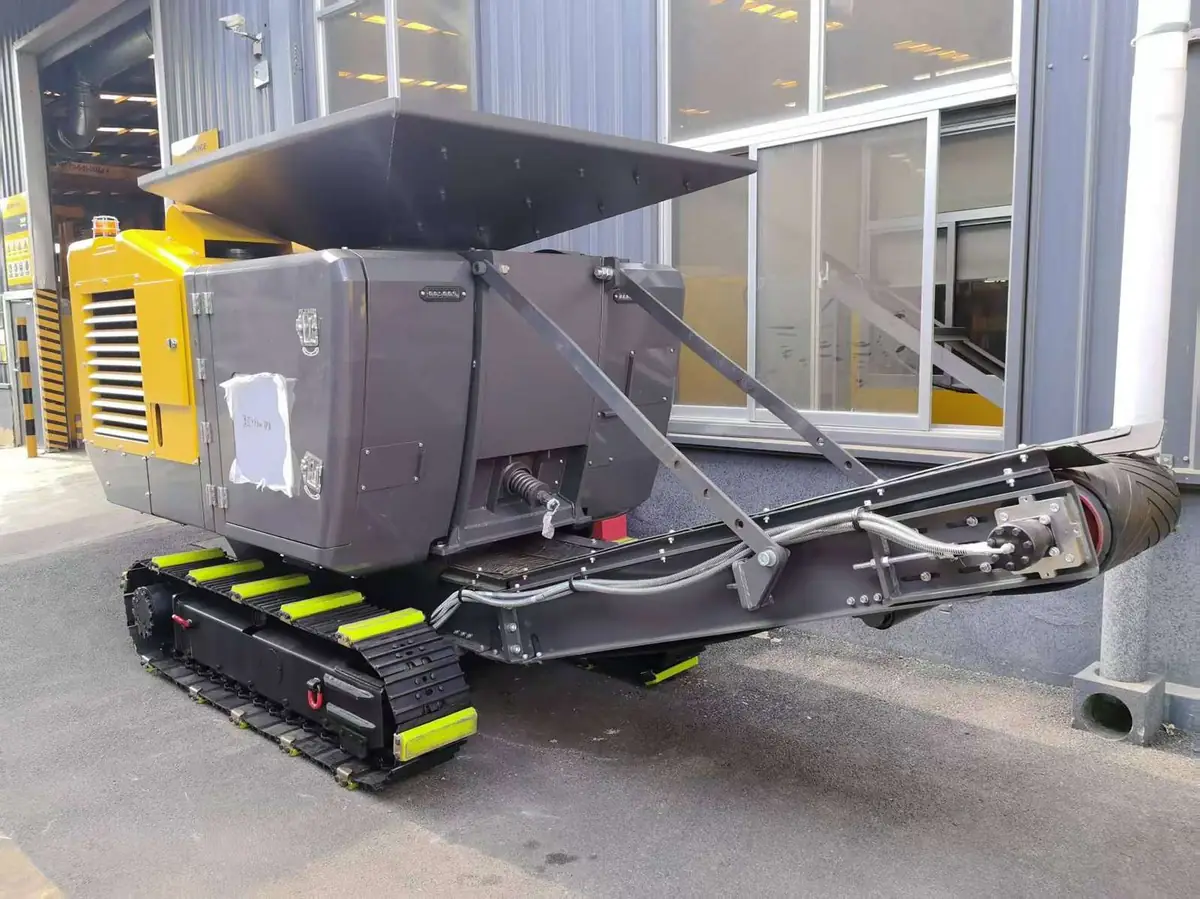
What Asphalt Recycling Buyers Need to Know
When buyers compare a mobile jaw crusher for asphalt recycling, they should review jaw opening, track mobility, wear protection, screening needs, and service support together. Asphalt concrete is a composite paving material made with mineral aggregate and bituminous binder. A neutral overview of the material is available from Wikipedia’s asphalt concrete reference, but equipment buyers need a more specific question: what condition is the removed asphalt in when it reaches the crusher?
Milled asphalt, broken pavement slabs, mixed road base, and asphalt mixed with concrete do not feed the same way. Large flat slabs may bridge at the hopper. Wet or dirty material may slow flow. Material mixed with soil or clay may require sorting before crushing.
A poorly matched mobile jaw crusher for asphalt recycling can create oversize material, excessive fines, slow feeding, or unnecessary re-crushing after the first pass. Buyers should avoid treating asphalt as one simple material type. The machine recommendation should reflect the source of the asphalt, the largest feed size, the amount of mixed debris, and whether the reclaimed material needs screening after crushing.
A mobile jaw crusher for asphalt recycling should be discussed with the supplier after the feed pile is understood, because asphalt slabs, millings, and mixed demolition waste can require different operating habits.
Why a Mobile Jaw Crusher Fits Asphalt Recycling
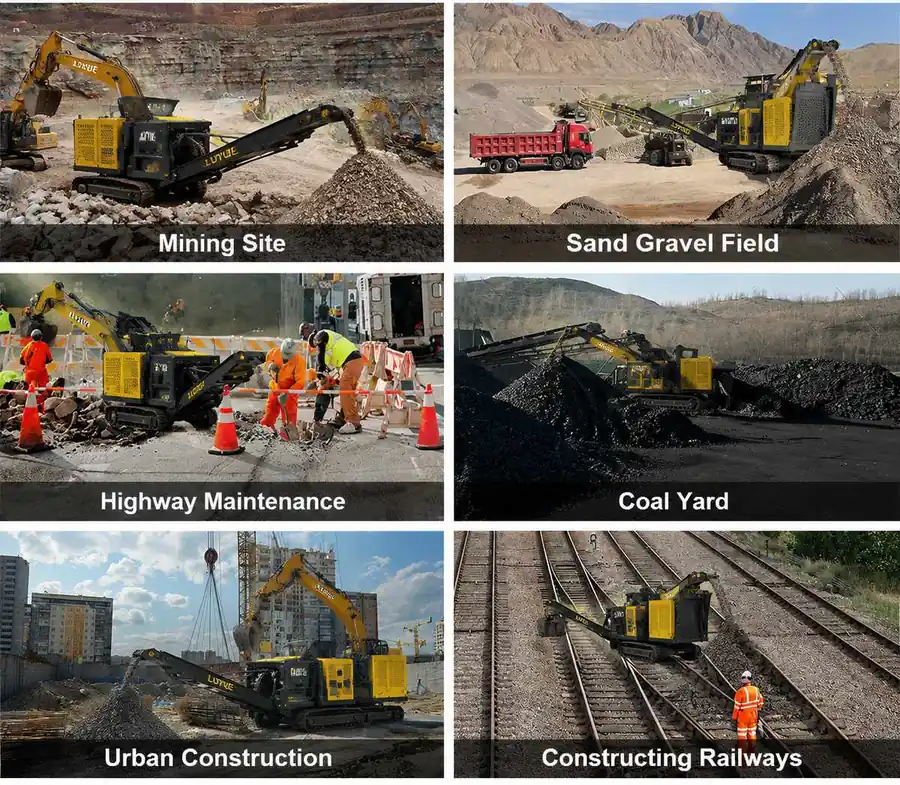
For road contractors and recycling yards, a mobile jaw crusher for asphalt recycling works best when crushing, screening, stockpiling, and loader movement are planned as one workflow. A jaw crusher is useful for primary reduction because it can break larger material into a manageable size range. A tracked mobile design adds value when the project changes location, when material piles are spread across the worksite, or when transport distance should be reduced.
For road repair and construction waste projects, moving the crusher closer to the asphalt pile can reduce handling steps. Contractors can crush near the removal area, stockpile reclaimed material nearby, and decide whether screening or further processing is needed.
Before ordering a mobile jaw crusher for asphalt recycling, buyers should send material photos, estimated slab size, asphalt age, contamination level, and desired final use. The main advantage is workflow flexibility. Instead of sending every truckload to an off-site facility, a contractor can evaluate whether on-site crushing makes sense for the project scale, site rules, and final material plan.
When the project moves along a road corridor, a mobile jaw crusher for asphalt recycling can also reduce the number of times material is loaded, hauled, dumped, and reloaded before it becomes useful again.
| Buyer Need | How a Mobile Jaw Crusher Helps | What to Confirm |
|---|---|---|
| Reduce asphalt hauling | Crushes material near the jobsite or yard | Check site access and stockpile space |
| Handle mixed demolition material | Can process asphalt with concrete or stone when properly sorted | Confirm contamination level and feed size |
| Prepare reusable aggregate feed | Reduces material for screening or blending | Define output target before buying |
| Move between road projects | Tracked mobility supports changing work areas | Review transport and site movement requirements |
| Support rental or dealer fleets | Useful for customers with varied recycling jobs | Prioritize simple operation and service support |
Asphalt Feed Material and Pre-Sorting
A mobile jaw crusher for asphalt recycling should be selected around asphalt condition, feed preparation, output target, and the way reclaimed material will be reused. Feed preparation is one of the most important steps. Asphalt pavement often arrives as flat slabs, chunks, or millings. The crusher can only perform well when the feed size, shape, and contamination level are controlled enough for stable feeding.
Before crushing, remove obvious oversized debris, wood, excessive soil, loose metal, and materials that do not belong in the final recycled product. If asphalt is mixed with concrete, bricks, or natural stone, the supplier should know that before recommending the machine setup.
The right mobile jaw crusher for asphalt recycling helps contractors reduce hauled waste, prepare reclaimed material near the road project, and keep crushing work flexible. Buyers should send photos or short videos showing the typical material pile. A single sentence such as “we crush asphalt” is not enough for responsible equipment selection because asphalt condition varies widely between paving projects.
If the feed contains many flat slabs, ask how the mobile jaw crusher for asphalt recycling should be fed to reduce bridging and keep the jaw chamber working evenly.
- Measure the largest asphalt slab or chunk expected at the site.
- Check whether the material is mostly asphalt, asphalt mixed with base, or mixed demolition waste.
- Identify wet, sticky, clay-rich, or soil-heavy material before crushing.
- Sort foreign material before feeding the crusher.
- Plan loader bucket size and feeding rhythm around the jaw opening.
Output Size and Screening Requirements
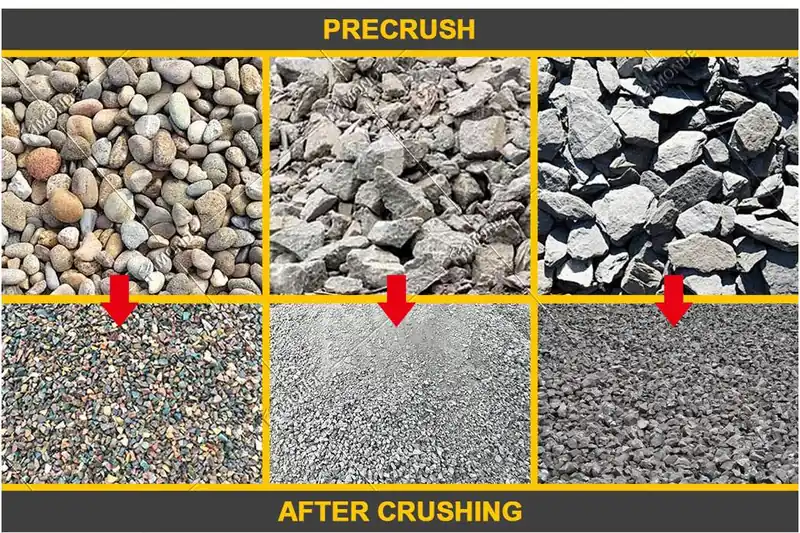
When buyers compare a mobile jaw crusher for asphalt recycling, they should review jaw opening, track mobility, wear protection, screening needs, and service support together. Output size should be connected to the final use of the recycled asphalt. Material intended for base preparation, yard fill, further screening, or blended aggregate feed may require different finished size ranges.
A jaw crusher produces a distribution of material sizes rather than a perfectly uniform product. If the project requires tighter control, the buyer should plan screening after crushing. For a deeper explanation, see our jaw crusher output size guide.
A poorly matched mobile jaw crusher for asphalt recycling can create oversize material, excessive fines, slow feeding, or unnecessary re-crushing after the first pass. The best approach is to define an acceptable output range, not an unrealistic single number. Operators should check the first crushed pile, adjust settings carefully, and decide whether oversize material needs a second pass or screening stage.
A mobile jaw crusher for asphalt recycling should therefore be evaluated with the screen, loader, and finished stockpile in mind rather than as an isolated machine.
| Output Planning Question | Why It Matters |
|---|---|
| Will the material be reused on the same road project? | May require closer control of gradation and contamination |
| Will it be stored in a material yard? | Stockpile space and product separation become important |
| Will the material go through a screen? | Screening can control final size more accurately than crushing alone |
| Is oversize acceptable? | Oversize may require re-crushing or separate handling |
| Is fine material useful or unwanted? | Asphalt fines may affect the intended reuse plan |
LY30 vs LY50 Selection Considerations
For road contractors and recycling yards, a mobile jaw crusher for asphalt recycling works best when crushing, screening, stockpiling, and loader movement are planned as one workflow. Luyue’s tracked crusher range can be evaluated according to project scale and mobility needs. The LY30 and LY50 mobile jaw crusher models are useful comparison points because asphalt recycling buyers often choose between compact access and stronger processing demand.
A smaller crusher can be useful where access, transport, and jobsite flexibility matter most. A larger tracked model may be more suitable when asphalt piles are larger, operating hours are longer, or the buyer needs stronger primary reduction.
Before ordering a mobile jaw crusher for asphalt recycling, buyers should send material photos, estimated slab size, asphalt age, contamination level, and desired final use. The final decision should be made after reviewing material photos, feed size, target output, site layout, loader size, and whether the crusher will process only asphalt or mixed asphalt, concrete, and stone.
| Selection Factor | Compact Tracked Setup | Heavier Tracked Setup |
|---|---|---|
| Typical use | Small road repair, local recycling, flexible work areas | Larger recycling yards, quarry support, heavier material flow |
| Buyer priority | Mobility, access, easier relocation | Higher workload and stronger primary crushing demand |
| Feed condition | Prepared asphalt chunks and moderate mixed waste | Larger piles and harder mixed feed after sorting |
| Workflow | Simple crushing and stockpiling | Crushing with screening, larger loaders, and longer shifts |
| Procurement check | Access width, transport method, feed size | Material hardness, wear plan, discharge and screening layout |
Site Layout Feeding and Stockpiling
A mobile jaw crusher for asphalt recycling should be selected around asphalt condition, feed preparation, output target, and the way reclaimed material will be reused. Site layout affects real performance. The crusher should be positioned so loaders can feed safely, discharged material can move freely, and trucks or conveyors do not interfere with people or other machines.
For road projects, available space may be limited. For material yards, the challenge is often keeping asphalt, concrete, stone, oversize, and finished product separated. A simple layout plan can prevent double handling and reduce confusion during busy work.
The right mobile jaw crusher for asphalt recycling helps contractors reduce hauled waste, prepare reclaimed material near the road project, and keep crushing work flexible. Buyers should plan the loader approach, hopper access, discharge direction, oversize handling, and finished stockpile area before delivery. Good layout does not make the crusher larger, but it helps the machine perform closer to its practical potential.
- Keep feed piles close enough for efficient loader cycles.
- Leave space for safe machine access and maintenance checks.
- Separate raw asphalt, mixed waste, oversize, and finished material.
- Plan water or dust-control methods according to local site rules.
- Avoid placing finished material where trucks must cross the feeding path.
Asphalt Recycling Scenarios and Setup Notes
When buyers compare a mobile jaw crusher for asphalt recycling, they should review jaw opening, track mobility, wear protection, screening needs, and service support together. Different asphalt recycling jobs need different setup priorities. A parking lot removal project, a road milling stockpile, and a mixed demolition yard may all involve asphalt, but the material shape and contamination level can be very different.
For broken pavement slabs, buyers should focus on feed opening, slab thickness, loader control, and whether flat pieces may bridge at the hopper. A mobile jaw crusher for asphalt recycling should be evaluated with actual slab photos rather than only a written material name.
For milled asphalt, the feed may already be small enough for handling, so the buyer should ask whether crushing is needed at all or whether screening, blending, or stockpile management is the more important step. A mobile jaw crusher for asphalt recycling is most useful when larger chunks, mixed hard material, or primary reduction are part of the job.
For mixed asphalt and concrete, sorting becomes more important. Concrete, brick, stone, soil, and asphalt can all behave differently in the chamber. A mobile jaw crusher for asphalt recycling can support mixed construction waste work, but the buyer should describe what percentage of the pile is asphalt and what other materials are present.
For road contractors moving between projects, transport and setup time often matter as much as crushing performance. A mobile jaw crusher for asphalt recycling should be simple enough to reposition, inspect, clean, and feed without creating a slow setup process at every jobsite.
| Scenario | Main Concern | Setup Note |
|---|---|---|
| Broken asphalt slabs | Flat pieces may bridge or feed unevenly | Control slab size and feed rhythm before pushing material into the hopper |
| Milled asphalt stockpile | Material may already be partly reduced | Confirm whether crushing, screening, or blending is the real need |
| Mixed asphalt and concrete | Different materials can create uneven output | Sort obvious contamination and discuss the mix with the supplier |
| Road repair project | Space and traffic movement may be limited | Plan crusher position, loader path, and finished pile location early |
| Recycling yard operation | Multiple material piles must stay separated | Label raw feed, oversize, screened product, and finished material clearly |
Wear Dust and Maintenance Planning
A poorly matched mobile jaw crusher for asphalt recycling can create oversize material, excessive fines, slow feeding, or unnecessary re-crushing after the first pass. Asphalt recycling can involve abrasive aggregate, dusty fines, and sticky material depending on temperature and feed condition. Wear parts, belt cleaning, jaw plate inspection, and undercarriage cleaning should be part of the buying discussion.
Dust planning is also important. Contractors should follow applicable site rules for silica, dust, and worker exposure. OSHA provides general information on respirable crystalline silica, and local regulations should always guide the actual control plan.
For road contractors and recycling yards, a mobile jaw crusher for asphalt recycling works best when crushing, screening, stockpiling, and loader movement are planned as one workflow. Maintenance is not only a cost issue. It affects output consistency, safety, resale value, and customer satisfaction for rental fleets. Buyers should ask about spare parts availability, jaw plate options, belt inspection, hydraulic service, track maintenance, and operator checks.
For rental fleets, a mobile jaw crusher for asphalt recycling should also be easy to clean between customers because asphalt, dust, and mixed road base can leave material in belts, guards, and access points.
Buyer Checklist Before Ordering
Before ordering a mobile jaw crusher for asphalt recycling, buyers should send material photos, estimated slab size, asphalt age, contamination level, and desired final use. Use a practical checklist before asking for a quotation. The more specific the application brief, the easier it is for Luyue to recommend a suitable tracked crusher and avoid under-sizing or over-sizing.
| Question | Why It Matters |
|---|---|
| What is the largest asphalt feed size? | Determines whether feed preparation is needed before crushing |
| Is the asphalt clean or mixed with concrete, soil, or stone? | Affects wear, output, sorting, and final material quality |
| What final material size is acceptable? | Guides jaw setting and screening decisions |
| Will the crusher move between jobsites? | Supports tracked mobility and transport planning |
| What loader or excavator will feed the hopper? | Affects feed rhythm and machine utilization |
| How many hours will the crusher work each week? | Helps plan model selection, wear parts, and maintenance intervals |
| Will screening be used after crushing? | Determines whether the finished product can meet tighter size requirements |
A mobile jaw crusher for asphalt recycling should be selected around asphalt condition, feed preparation, output target, and the way reclaimed material will be reused. Buyers working on road projects can also review our guide to mobile crushers for road construction to connect crusher selection with site movement, recycled material use, and project workflow.
Why Choose Luyue Machinery
The right mobile jaw crusher for asphalt recycling helps contractors reduce hauled waste, prepare reclaimed material near the road project, and keep crushing work flexible. Luyue Machinery supplies compact and mobile crushing equipment for construction, recycling, quarry, and material processing buyers. For asphalt recycling projects, the company can help compare machine size, track mobility, feed conditions, output expectations, spare parts, and shipping requirements.
The selection conversation should be practical. Send raw material photos, the largest feed size, expected final material use, site access details, working hours, and whether the crusher will process asphalt only or asphalt mixed with concrete and stone.
When buyers compare a mobile jaw crusher for asphalt recycling, they should review jaw opening, track mobility, wear protection, screening needs, and service support together. If you are comparing a mobile jaw crusher for asphalt recycling, contact Luyue Machinery with your project details. A clear application brief helps the team recommend a more suitable tracked crushing solution.
FAQ
Can a jaw crusher process asphalt pavement?
Yes. A jaw crusher can reduce asphalt chunks and slabs when the feed is prepared correctly. The buyer should confirm feed size, contamination level, desired output, and whether screening is needed after crushing.
Is asphalt recycling different from concrete recycling?
Yes. Asphalt can behave differently because it contains bituminous binder and may include road base, fines, soil, or moisture. Equipment selection should consider material condition rather than assuming it will feed like clean concrete.
Do I need a screen after crushing asphalt?
A screen is recommended when the finished material must meet a tighter size range. Crushing alone reduces material, but screening separates oversize and helps control the final product.
Which model should I choose for smaller road repair projects?
Smaller projects often prioritize access, transport, and flexible movement. The final model still depends on feed size, daily workload, loader size, and output target.
What should I send to Luyue before requesting a quote?
Send asphalt photos or videos, maximum feed size, contamination level, target output, expected working hours, site layout, destination country, and whether the material will be screened after crushing.
Conclusion
A poorly matched mobile jaw crusher for asphalt recycling can create oversize material, excessive fines, slow feeding, or unnecessary re-crushing after the first pass. Asphalt recycling is a workflow decision as much as a machine decision. Feed preparation, crushing, screening, dust control, stockpiling, and maintenance all affect whether reclaimed asphalt becomes useful material or just a smaller waste pile.
A well-matched mobile jaw crusher for asphalt recycling can help contractors and recycling yards process pavement material closer to the source, reduce handling, and prepare reclaimed material for the next step. The right choice starts with clear material information and a practical discussion with the supplier.