
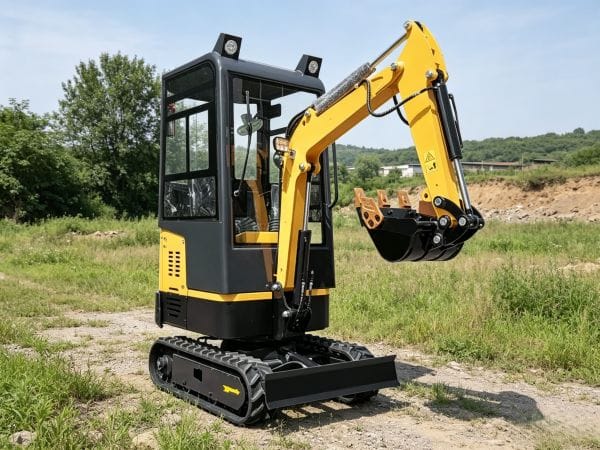
Table of Contents
Introduction
A mini excavator for irrigation should be selected around access, soil condition, attachment use, and daily job requirements rather than one brochure number. Buyers in crop fields, orchards, nurseries, greenhouses, small farms, and construction sites that require water-line trenches often need a compact machine that can dig accurately, move easily, and work without causing unnecessary site damage.
This guide explains how to choose a mini excavator for irrigation for real operating conditions. It is written for farm owners, irrigation contractors, agricultural project managers, and equipment dealers selecting compact trenching machinery. The focus is practical selection, not generic machine promotion.
The right mini excavator for irrigation gives buyers compact digging ability without forcing a large machine into narrow or sensitive work areas. The best machine is not always the largest compact excavator available. It is the machine that can reach the work area, use the required tools, stay stable, and remain serviceable throughout busy seasons.
- mini excavator for irrigation fit: strongest when access width, ground condition, and task list are known before purchase.
- mini excavator for irrigation risk: poor sizing can create slow work, unstable positioning, and higher wear.
- mini excavator for irrigation value: highest when the same machine can handle recurring maintenance and seasonal projects.
- mini excavator for irrigation selection: should include machine size, hydraulics, tracks, attachments, safety, and parts support.
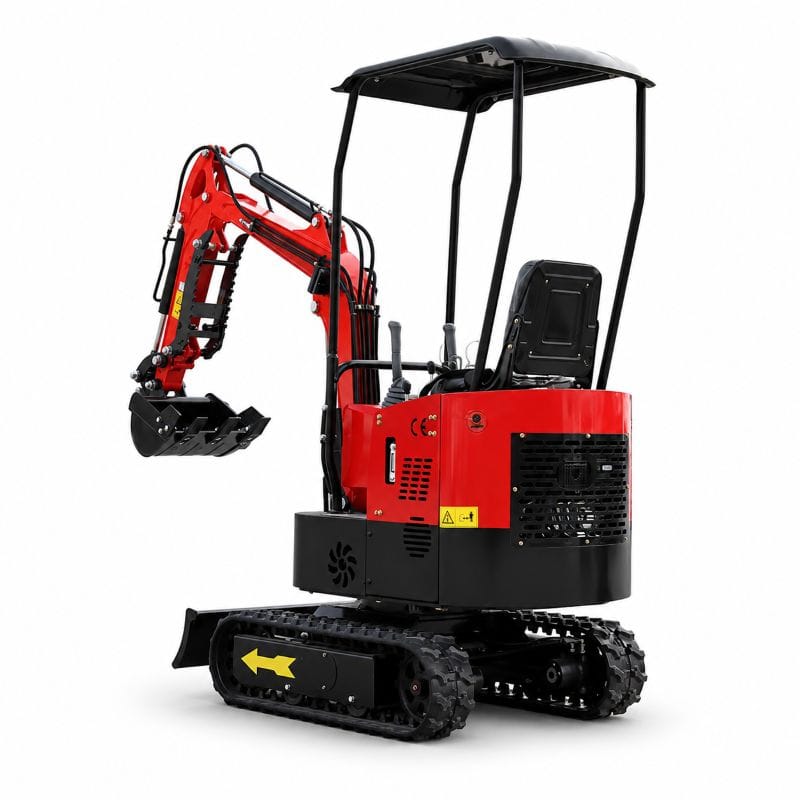
What Is a Mini Excavator For Irrigation
When evaluating a mini excavator for irrigation, operating weight, track design, hydraulic performance, and service support should be reviewed together. A compact excavator is a hydraulic digging machine designed for jobs where full-size equipment is too large or inconvenient. In this application, the machine must combine maneuverability with enough digging force and hydraulic control to complete daily work efficiently.
The general concept of an excavator is simple: boom, arm, bucket, tracks, upper structure, and hydraulic power. A neutral technical overview is available through Wikipedia’s excavator reference, but buyers still need to evaluate the machine against their own worksite.
A poorly matched mini excavator for irrigation may fit the budget but still create problems with stability, reach, transport, or maintenance. In crop fields, orchards, nurseries, greenhouses, small farms, and construction sites that require water-line trenches, compact size matters because access, turning space, ground pressure, and operator visibility often decide whether the machine is productive or frustrating.
Common Applications
For professional buyers, a mini excavator for irrigation works best when the supplier understands the real worksite before recommending a model. Most buyers need a versatile machine rather than a single-purpose tool. The applications below show where compact hydraulic equipment can reduce manual labor and improve control.
| Application | Why It Matters | Selection Note |
|---|---|---|
| Water pipe trenching | Supports routine site maintenance without bringing in oversized equipment | Check bucket width and access route |
| Valve box preparation | Improves control in narrow or sensitive areas | Confirm reach, visibility, and ground condition |
| Canal edge repair | Reduces manual digging and cleanup for recurring jobs | Review attachment compatibility before ordering |
| Pump-house utility work | Helps crews respond faster during seasonal work | Plan transport, loading, and storage early |
| Drip irrigation line support | Allows more precise preparation around existing structures | Ask about hydraulic flow and control layout |
| Drainage connection work | Makes small repair work easier to schedule | Discuss wear parts and cleaning requirements |
Before ordering a mini excavator for irrigation, buyers should prepare access measurements, job photos, attachment plans, and expected working hours. Buyers should write a real task list before requesting a quote. That list helps the supplier understand whether the priority is trenching, cleaning, lifting within rated limits, grading, or attachment use.
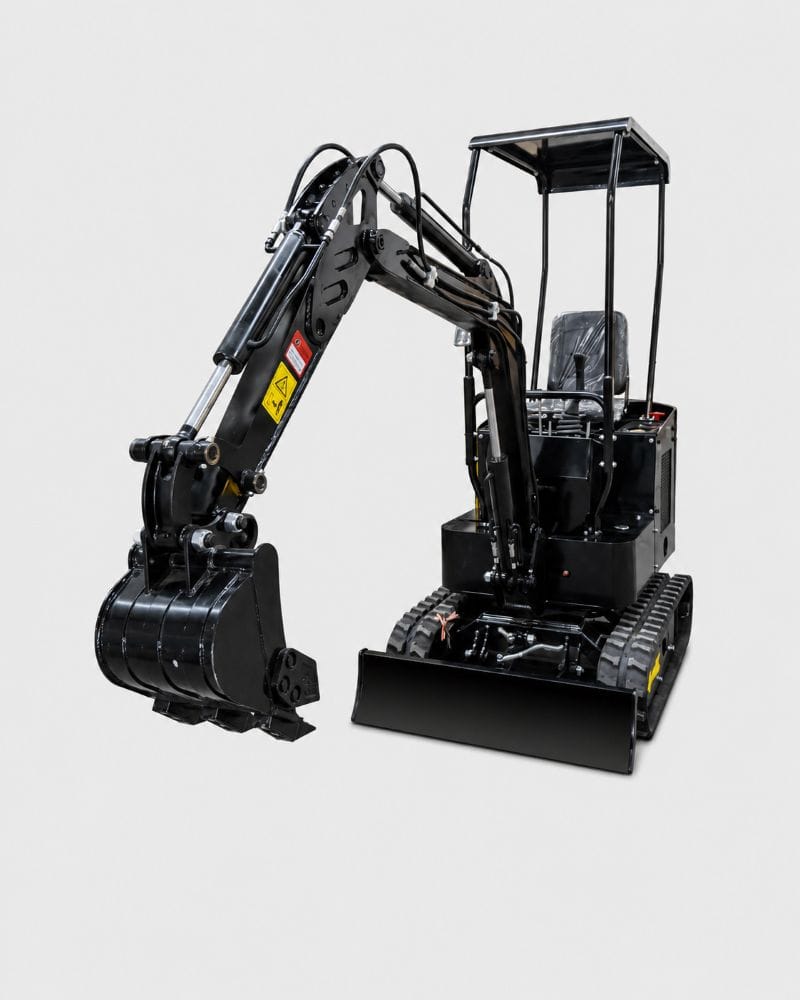
Why the Right Model Matters
A mini excavator for irrigation should be selected around access, soil condition, attachment use, and daily job requirements rather than one brochure number. A model that is too small may struggle with reach, bucket force, or tool performance. A model that is too large may be difficult to transport, hard to turn, or unsuitable for narrow work areas.
The decision also affects ownership cost. A machine that constantly works at its limit can wear faster and create operator frustration. A machine with unnecessary size can increase transport difficulty and reduce access to important areas.
The right mini excavator for irrigation gives buyers compact digging ability without forcing a large machine into narrow or sensitive work areas. For dealers and fleet buyers, correct matching also reduces after-sales pressure. Customers are more likely to stay satisfied when the model, attachments, and support package fit the original job description.
Operating Weight and Access Width
When evaluating a mini excavator for irrigation, operating weight, track design, hydraulic performance, and service support should be reviewed together. Operating weight should be considered together with access width, transport method, and ground condition. A lighter machine can be easier to move, while a heavier compact model may provide more stability for certain tasks.
Measure gates, doors, service lanes, ramps, row spacing, storage entrances, and trailer limitations. Then compare those measurements with machine width, track width, tail swing, and working envelope.
A poorly matched mini excavator for irrigation may fit the budget but still create problems with stability, reach, transport, or maintenance. In dry fields, wet trenches, narrow farm lanes, soft edges, and mixed soil conditions, the machine must be able to move safely before digging performance matters. If access is wrong, the specification sheet cannot solve the problem.
| Selection Priority | Best Fit | Tradeoff to Check |
|---|---|---|
| Smallest practical size | Narrow entrances and confined work areas | May reduce reach or breakout force |
| Balanced compact class | Regular mixed maintenance and trenching | Needs careful transport planning |
| More stable compact model | Heavier attachments or uneven terrain | May be less convenient in tight spaces |
Digging Depth Reach and Stability
For professional buyers, a mini excavator for irrigation works best when the supplier understands the real worksite before recommending a model. Digging depth should match the real trench, ditch, foundation, or utility requirement. Maximum depth is useful, but comfortable working depth is often more important in daily use.
Reach affects how safely the operator can work across a ditch, beside a structure, or near a soft edge. Stability affects confidence when the boom is extended, the bucket is loaded, or the machine is positioned on uneven ground.
Before ordering a mini excavator for irrigation, buyers should prepare access measurements, job photos, attachment plans, and expected working hours. Buyers should ask how the recommended machine behaves in the expected work position. The answer depends on boom geometry, machine weight, track contact, attachment weight, and operator technique.
Hydraulics and Attachment Planning
A mini excavator for irrigation should be selected around access, soil condition, attachment use, and daily job requirements rather than one brochure number. Hydraulic performance affects more than digging. It determines how smoothly the machine can operate attachments such as narrow trenching buckets, grading buckets, rippers, augers, and cleanup buckets. Attachment planning should happen before the purchase, not after delivery.
Confirm hydraulic line availability, flow suitability, pressure requirements, coupler dimensions, pin size, bucket options, and control layout. A machine may be compact, but it still needs the right hydraulic configuration for the planned tools.
The right mini excavator for irrigation gives buyers compact digging ability without forcing a large machine into narrow or sensitive work areas. If the machine will support several jobs, prioritize common attachment interfaces and easy changeover. This makes the compact excavator more useful across changing site demands.
| Attachment Area | Typical Purpose | Buyer Check |
|---|---|---|
| Digging bucket | Trenching, soil removal, small foundations | Bucket width, tooth style, and pin fit |
| Ditching or grading bucket | Cleaning, shaping, and surface preparation | Width, edge style, and stability |
| Auger | Post holes, planting support, and anchor preparation | Hydraulic match and soil condition |
| Ripper | Hard soil, root disturbance, and compacted ground | Machine force and attachment load |
| Cleanup tool | Debris handling and light maintenance support | Control method and safe working limits |
Tracks Terrain and Undercarriage
When evaluating a mini excavator for irrigation, operating weight, track design, hydraulic performance, and service support should be reviewed together. Tracks influence traction, ground pressure, cleaning, and long-term service cost. Rubber tracks are often useful on mixed surfaces, but the correct choice still depends on soil, slopes, debris, and operating habits.
The machine may face dry fields, wet trenches, narrow farm lanes, soft edges, and mixed soil conditions. That means buyers should consider undercarriage cleaning, track tension, storage, mud removal, and whether sharp debris or abrasive ground will increase wear.
For general excavation safety planning, buyers can review OSHA trenching and excavation guidance. Local rules, operator training, and site procedures should always guide actual work.
A poorly matched mini excavator for irrigation may fit the budget but still create problems with stability, reach, transport, or maintenance. A good supplier should explain track maintenance and safe positioning, especially where trench depth control, spoil placement, buried utilities, safe access, and consistent trench line accuracy are part of the job.
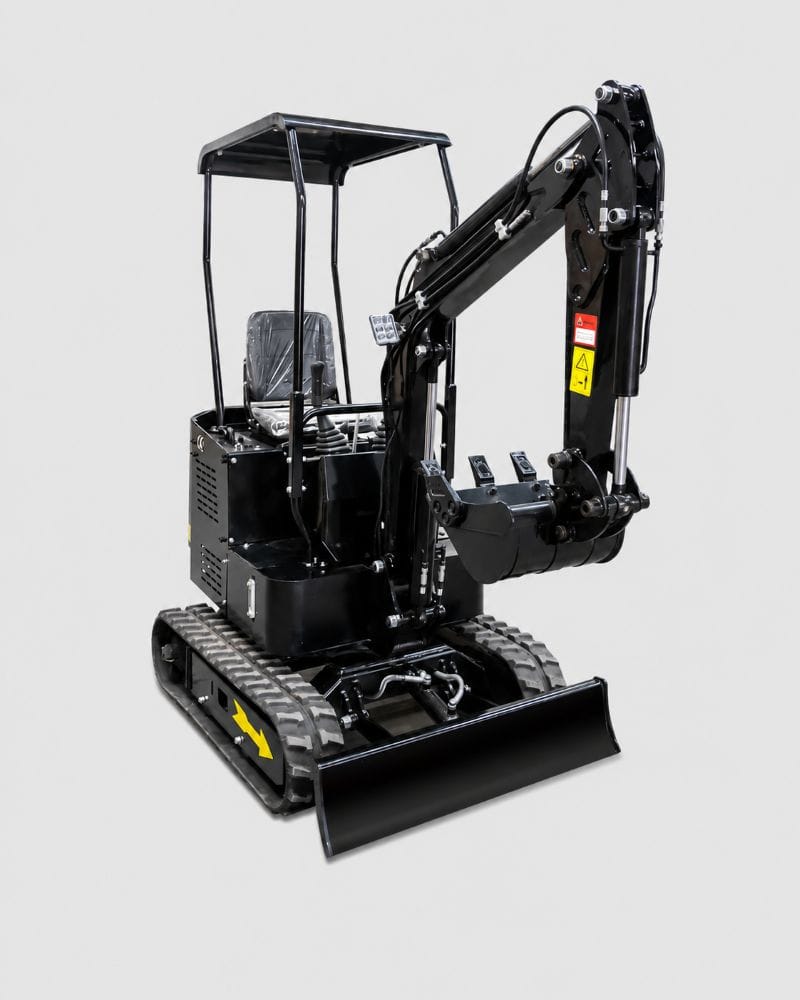
Operator Safety and Daily Usability
For professional buyers, a mini excavator for irrigation works best when the supplier understands the real worksite before recommending a model. Operator comfort is a productivity factor. Clear visibility, responsive controls, stable access, and easy daily checks help crews complete small jobs more accurately.
The operator should be able to see the bucket edge, judge the trench line, control swing movement, and avoid contact with structures, plants, animals, people, or utilities. Simple controls are valuable when different operators may use the same machine.
Before ordering a mini excavator for irrigation, buyers should prepare access measurements, job photos, attachment plans, and expected working hours. Before buying, review the seat, controls, visibility, warning labels, maintenance access, emergency stop arrangement, and whether operating guidance is available from the supplier.
Maintenance Parts and Supplier Support
A mini excavator for irrigation should be selected around access, soil condition, attachment use, and daily job requirements rather than one brochure number. Maintenance determines whether the machine remains useful after the first few months. Filters, pins, bushings, hydraulic hoses, tracks, buckets, teeth, grease points, and electrical items should be easy to identify and service.
Buyers in remote areas should pay special attention to parts support. During busy seasons, a small machine can become important to daily operations, so downtime planning matters.
The right mini excavator for irrigation gives buyers compact digging ability without forcing a large machine into narrow or sensitive work areas. Ask the supplier for maintenance intervals, common spare parts, attachment wear items, track care guidance, and troubleshooting support. This is especially important for dealers who must support multiple end users.
Buyer Checklist
When evaluating a mini excavator for irrigation, operating weight, track design, hydraulic performance, and service support should be reviewed together. Use a checklist before ordering. It prevents the discussion from becoming too focused on one specification and helps the supplier recommend a suitable machine for real work.
| Question | Why It Matters |
|---|---|
| What are the narrowest access points? | Confirms machine width, tail swing, and route planning |
| What jobs will be repeated most often? | Separates daily value from occasional use |
| What depth and reach are required? | Prevents under-sizing and unnecessary over-sizing |
| Which attachments are required? | Ensures hydraulic and mounting compatibility |
| What terrain will the machine face? | Guides track, stability, and undercarriage planning |
| Who will operate the machine? | Affects training, controls, safety, and daily checks |
| How will spare parts be supplied? | Reduces downtime and ownership risk |
A poorly matched mini excavator for irrigation may fit the budget but still create problems with stability, reach, transport, or maintenance. Photos and videos are useful. Send the supplier images of the work area, soil, access points, and typical tasks so the recommendation is based on practical conditions.
Why Choose Luyue Machinery
For professional buyers, a mini excavator for irrigation works best when the supplier understands the real worksite before recommending a model. Luyue Machinery supplies compact tracked excavators for buyers who need practical machines for farms, small construction sites, landscaping, and maintenance work. The selection discussion can include machine size, working range, hydraulic configuration, attachment planning, and spare parts support.
The Luyue mini tracked excavator range can be reviewed for digging, trenching, drainage, cleanup, and compact site preparation. Buyers can compare models against access measurements and intended attachments before making a decision.
Before ordering a mini excavator for irrigation, buyers should prepare access measurements, job photos, attachment plans, and expected working hours. If you are selecting a mini excavator for irrigation, prepare your task list, photos, attachment requirements, and transport plan. Luyue can use that information to discuss a model that fits the job instead of relying on guesswork.
FAQ
What size mini excavator for irrigation should I choose?
Choose size based on access width, digging depth, terrain, attachment plan, and transport method. The right model should reach the job area and complete the work without being constantly overloaded.
Can a mini excavator for irrigation use different attachments?
Yes, but attachment compatibility depends on hydraulic flow, pressure, pin dimensions, coupler design, and machine stability. Confirm these details before ordering attachments.
Are rubber tracks suitable for this type of work?
Rubber tracks are often suitable for mixed farm and small-site surfaces, but buyers should consider mud, slopes, sharp debris, cleaning needs, and replacement planning.
What information should I send to the supplier?
Send access measurements, job photos, soil conditions, required digging depth, preferred attachments, expected working hours, and transport method. This improves recommendation accuracy.
How can I reduce downtime after purchase?
Plan spare parts, maintenance intervals, operator checks, attachment wear items, and supplier support before delivery. Clear maintenance routines reduce avoidable downtime.
Conclusion
A mini excavator for irrigation should be selected around access, soil condition, attachment use, and daily job requirements rather than one brochure number. A compact excavator should be selected from the worksite backward. Access, terrain, digging needs, hydraulics, attachments, safety, and service support all shape the right choice.
A well-matched mini excavator for irrigation can make recurring maintenance, trenching, cleaning, and small construction tasks easier to manage. To discuss model selection, send your application details to Luyue Machinery.